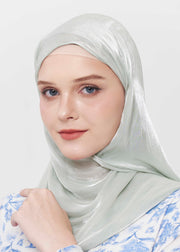


What Is Islamic Fashion? Meaning, Principles, and Modern Interpretation
Islamic fashion is more than a style choice - it is a reflection of faith, identity, and values. In recent years, Islamic fashion has gained global attention, not only within Muslim communities but also in the broader fashion industry. To understand its growing influence, it is important to explore the meaning of Islamic fashion, the principles that define it, and how it has evolved in modern interpretations.
The Meaning of Islamic Fashion
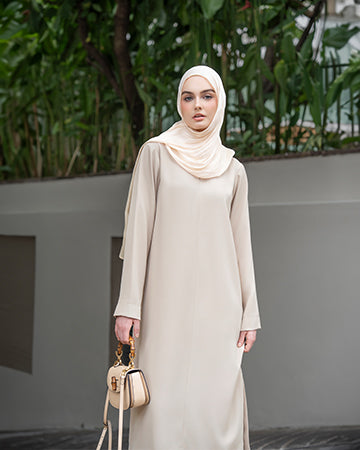
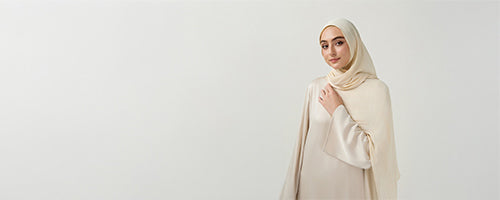
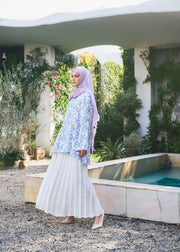
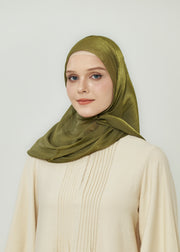
At its core, Islamic fashion refers to clothing that aligns with Islamic teachings on modesty, known as haya. For Muslim women and men, dressing modestly is an act of faith and self-respect rather than a restriction. Islamic fashion emphasizes covering the body appropriately, avoiding transparency or excessive tightness, and maintaining dignity in appearance.
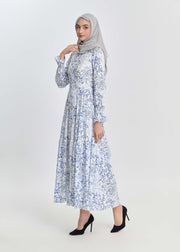
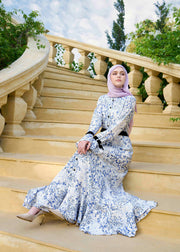
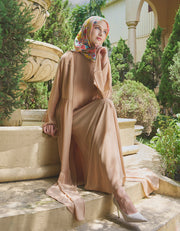
However, Islamic fashion is not a single uniform style. It varies widely depending on culture, geography, climate, and personal preference. From abayas in the Middle East to long dresses and tunics in Southeast Asia, Islamic fashion reflects diversity while staying rooted in shared values.

The Meaning of Islamic Fashion
Core Principles of Islamic Fashion
The foundation of Islamic fashion is guided by several key principles derived from Islamic teachings.
Modesty (Haya)
Modesty is the central principle of Islamic fashion. Clothing should cover the body in a way that does not draw unnecessary attention. For women, this often includes loose-fitting garments that cover the arms, legs, and body shape. For men, modesty typically means covering from the navel to the knees and avoiding overly revealing attire.
Loose and Non-Transparent Clothing
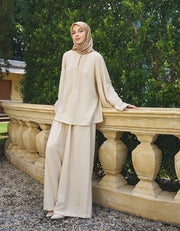
Islamic fashion prioritizes comfort and dignity. Clothes should not be tight or see-through, ensuring that the body shape is not emphasized. This principle influences fabric choice, layering techniques, and overall garment design.
Simplicity and Balance
While Islamic fashion allows beauty and elegance, it encourages balance. Excessive extravagance or clothing worn purely to show off wealth is generally discouraged. Instead, the focus is on refined, tasteful design.
Cultural Adaptability
Islamic fashion is flexible and adapts to cultural contexts. What matters is not a specific garment, but whether the clothing meets the requirements of modesty. This adaptability has allowed Islamic fashion to evolve across different societies and eras.

Core Principles of Islamic Fashion
Modern Interpretation of Islamic Fashion
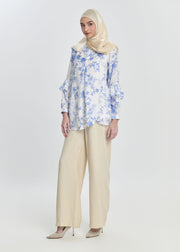
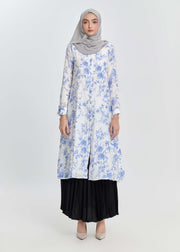
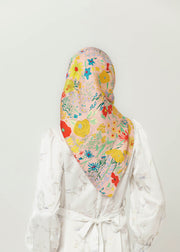
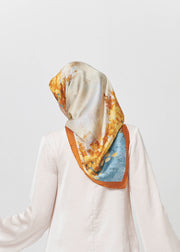
Today, Islamic fashion has entered a new era. Modern designers and brands are reinterpreting traditional modest clothing with contemporary aesthetics. This includes cleaner cuts, softer color palettes, innovative fabrics, and thoughtful tailoring.
Islamic fashion now blends faith with lifestyle. Muslim women seek clothing that supports their religious values while fitting into modern environments such as workplaces, universities, and social events. As a result, modest fashion collections often include office-ready outfits, casual wear, and formal designs that remain modest yet stylish.
Social media and global fashion platforms have also played a significant role in shaping modern Islamic fashion. Influencers, designers, and brands showcase how modest clothing can be fashionable, practical, and expressive.
The Global Impact of Islamic Fashion
Islamic fashion is no longer a niche market. It has become a significant segment of the global fashion industry, driven by demand for ethical, inclusive, and modest clothing. Major fashion weeks, international brands, and independent designers now recognize the importance of serving Muslim consumers.
This growth reflects a broader shift toward fashion that respects individuality, values, and cultural identity.

The Global Impact of Islamic Fashion
Conclusion
Islamic fashion represents a harmonious balance between faith, modesty, and modern style. Rooted in clear principles yet flexible in expression, it continues to evolve alongside the lifestyles of Muslim women worldwide. As the industry grows, Islamic fashion proves that modesty and elegance are not opposites - but partners.
For those seeking thoughtfully designed Islamic fashion that blends tradition with contemporary aesthetics, explore curated collections at Minnaba, where modesty meets modern elegance.