


Jilbab vs Abaya: Key Differences Muslim Women Should Know
When it comes to Islamic fashion, jilbab and abaya are two of the most commonly mentioned garments. While they are often used interchangeably, jilbab and abaya are not the same. Understanding the key differences between these two pieces helps Muslim women choose clothing that best fits their lifestyle, cultural context, and personal style while remaining aligned with Islamic principles.
What Is a Jilbab?
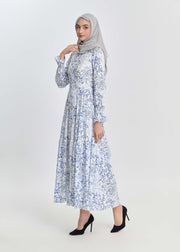
A jilbab is a modest outer garment worn by Muslim women to cover the body in accordance with Islamic guidelines. The term “jilbab” originates from classical Islamic texts and generally refers to a loose garment that covers the body from the shoulders down.
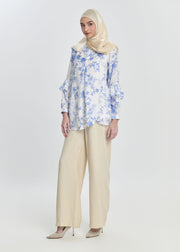
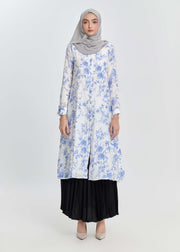
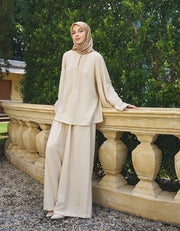
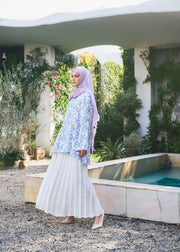
In modern usage, a jilbab can take various forms depending on region and culture. It may appear as a long coat-like piece, a loose dress, or a two-piece outfit that includes a long top and matching bottom. Jilbabs are commonly designed with functionality in mind, making them suitable for daily wear, work, and outdoor activities.

What Is a Jilbab?
What Is an Abaya?
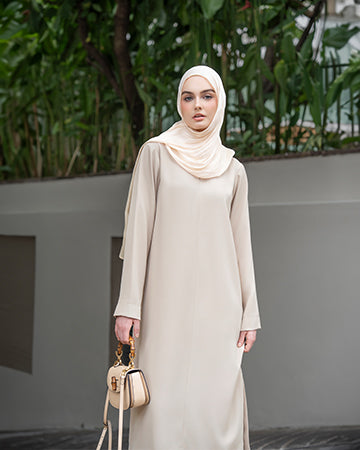
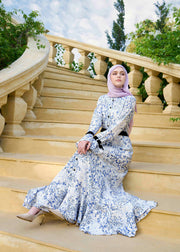
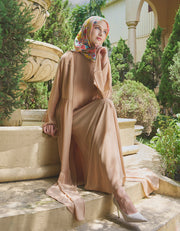
An abaya is a long, flowing robe traditionally worn over regular clothing. It is most commonly associated with Middle Eastern cultures, particularly in the Gulf region. Abayas are typically ankle-length and designed to be worn as an outer layer.
Traditionally black, modern abayas now come in a wide range of colors, fabrics, and designs. Many feature subtle embroidery, pleats, or tailored details that add elegance while maintaining modesty. Abayas are often chosen for formal occasions, religious gatherings, or everyday wear depending on the design.

What Is an Abaya?
Jilbab vs Abaya: Key Design Differences
One of the main differences between a jilbab and an abaya lies in their design structure. Jilbabs often have a more tailored or functional silhouette, sometimes resembling a long coat or tunic. They may include buttons, zippers, or pockets, making them practical for everyday use.
Abayas, on the other hand, are known for their flowing and minimalist design. They are usually open-front or closed robes that drape loosely over the body. This fluid structure creates a graceful appearance and is often associated with elegance and formality.
Coverage and Modesty
Both jilbabs and abayas meet the Islamic requirement of modesty when designed properly. They provide full body coverage and are typically loose-fitting, ensuring the body shape is not emphasized.
However, the way coverage is achieved differs slightly. Jilbabs may offer more structured coverage, especially when worn as a standalone outfit. Abayas are usually layered over inner clothing, offering flexibility in styling while maintaining modesty.
Cultural and Regional Influence
Cultural context plays a significant role in the choice between jilbab and abaya. Jilbabs are more commonly worn in regions such as Southeast Asia and parts of Africa, where modest clothing is often adapted to warmer climates and active lifestyles.
Abayas are strongly associated with Middle Eastern cultures, though they are now worn globally. The cultural influence often affects fabric choice, color preference, and styling details, making each garment a reflection of regional identity.
Practicality and Daily Wear
For Muslim women seeking practicality, jilbabs are often favored for daily routines. Their functional design makes them suitable for work, commuting, and outdoor activities. Jilbabs are often easy to style as complete outfits, requiring minimal layering.
Abayas offer versatility through layering. They can be worn over casual or formal clothing, making them adaptable for various occasions. While some abayas are designed for daily wear, others are more suitable for formal settings.

Practicality and Daily Wear
Styling Differences
Styling a jilbab typically focuses on simplicity and comfort. It is often paired with a matching hijab and minimal accessories. The emphasis is on ease of movement and modest elegance.
Abayas allow more room for styling creativity. They can be layered over dresses or pants, paired with statement hijabs, and accessorized subtly. Modern abayas balance tradition with contemporary fashion elements.
Which One Should You Choose?
Choosing between a jilbab and an abaya depends on personal needs and lifestyle. If you prefer a practical, all-in-one outfit for daily wear, a jilbab may be the better option. If you value layering and elegance, an abaya offers flexibility and refined style.
Both garments fulfill Islamic modesty requirements and allow Muslim women to express their identity in different ways.
Conclusion
Understanding the differences between jilbab and abaya helps Muslim women make informed choices when building a modest wardrobe. While jilbabs emphasize practicality and structure, abayas offer fluid elegance and versatility. Both are essential elements of Islamic fashion, each serving distinct purposes in modern Muslim women’s lives.
For thoughtfully designed jilbabs and abayas that blend modest principles with contemporary aesthetics, explore curated collections at Minnaba, where timeless elegance meets everyday practicality.