







Islamic Culture Around the World: Regional Differences Explained
When people talk about Islamic culture around the world, they often assume it looks the same everywhere. In reality, Islamic culture is highly diverse. While core religious beliefs remain consistent, cultural expressions vary widely depending on history, geography, and local traditions. Understanding these regional differences helps paint a more accurate picture of how Islam is lived across the globe.
Core Values Shared Across Islamic Culture Worldwide
Despite regional diversity, certain values form the foundation of Islamic culture everywhere.
Faith, modesty, respect, family ties, and community responsibility are universal principles rooted in Islamic teachings. Practices such as daily prayer, fasting during Ramadan, and charitable giving connect Muslim communities globally. However, how these values are expressed in daily life differs from one region to another.
Islamic Culture in the Middle East
The Middle East is often seen as the heartland of Islam, and its culture strongly influences global perceptions of Islamic life.
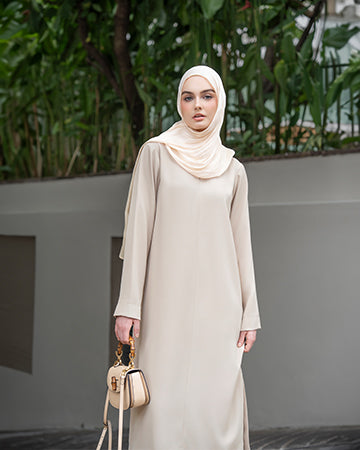
In this region, Islamic culture tends to be more visibly conservative. Traditional clothing such as abayas, thobes, and head coverings are common. Social norms emphasize gender separation in certain settings, strong family authority, and deep respect for religious institutions.
Hospitality is a defining feature, with guests treated generously. Tribal traditions and historical customs also shape social behavior, blending with religious values.
Islamic Culture in Southeast Asia
Southeast Asia is home to the world’s largest Muslim population, particularly in Indonesia and Malaysia. Islamic culture around the world looks noticeably different here.
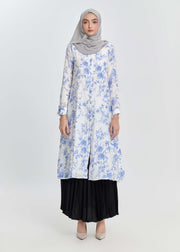
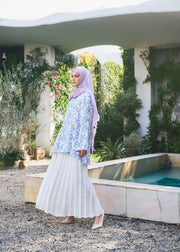
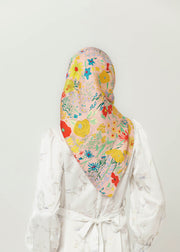
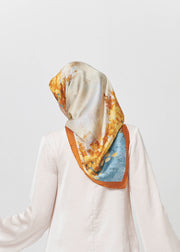
Local customs, colorful clothing, and pre-Islamic traditions blend with Islamic values. Modest fashion in this region often incorporates vibrant patterns and lighter fabrics suited to tropical climates. Religious practices are integrated into daily life but are generally expressed in a more relaxed and community-oriented manner.
This region demonstrates how Islamic culture adapts harmoniously to local identities.
Islamic Culture in South Asia
In South Asia, including countries like Pakistan, India, and Bangladesh, Islamic culture reflects a mix of Islamic principles and long-standing regional traditions.
Family structure plays a central role, with extended families commonly living close together. Clothing styles such as shalwar kameez and hijabs reflect both cultural heritage and religious modesty.
Religious festivals are widely celebrated, often involving large family gatherings, shared meals, and community prayers.
Islamic Culture in Africa
Africa showcases some of the most diverse expressions of Islamic culture around the world.
In North Africa, Islamic culture is influenced by Arab, Berber, and Mediterranean traditions. In West and East Africa, Islam blends with indigenous customs, languages, and artistic styles. Clothing often features bold colors and local textiles while maintaining modesty standards.
Community life, oral traditions, and social cooperation are especially prominent in African Muslim societies.
Islamic Culture in Europe and North America
In Western countries, Islamic culture exists within multicultural and often secular societies.
Muslim communities adapt Islamic values to modern lifestyles while maintaining religious identity. This includes balancing work, education, and worship in non-Muslim-majority environments. Mosques often serve not only as places of prayer but also as cultural and social centers.
Younger generations, in particular, contribute to evolving expressions of Islamic culture through fashion, art, and digital media.
The Role of Language and Local Customs
Language plays a significant role in shaping Islamic culture around the world. Arabic holds religious importance, but everyday communication happens in local languages, influencing cultural expression.
Customs related to greetings, weddings, food, and social etiquette vary greatly. These differences highlight how culture, rather than religion alone, shapes daily practices.
Common Misunderstandings About Regional Differences
A common misconception is that cultural differences represent deviations from Islam. In reality, Islam allows flexibility in cultural expression as long as core principles are respected.
Understanding this distinction helps avoid stereotypes and encourages respectful cross-cultural interaction.
Why Regional Diversity in Islamic Culture Matters
Recognizing the diversity of Islamic culture around the world is essential in today’s globalized society. It fosters cultural sensitivity, improves communication, and helps non-Muslims engage more respectfully with Muslim communities.
For Muslims themselves, acknowledging diversity strengthens unity without erasing local identity.

Why Regional Diversity in Islamic Culture Matters
Conclusion
Islamic culture around the world is united by shared values but expressed through a wide range of regional traditions. From the Middle East and Southeast Asia to Africa and Western countries, Islamic culture continues to evolve while remaining rooted in faith. By understanding these regional differences, we gain a deeper appreciation for the global richness and adaptability of Islamic culture.