








Islamic Culture Explained: Traditions, Values, and Daily Life
Islamic culture is a rich and diverse way of life shaped by religious beliefs, historical traditions, and social values practiced by Muslims around the world. While Islam is a religion, Islamic culture goes beyond faith alone - it influences daily routines, family structures, social behavior, clothing, food, art, and community life. Understanding Islamic culture helps foster respect, reduce misconceptions, and build meaningful cross-cultural connections.
What Is Islamic Culture?
Islamic culture refers to the shared customs, values, traditions, and social norms that have developed in societies influenced by Islam. It is rooted in Islamic teachings from the Quran and the Hadith (sayings and practices of Prophet Muhammad), but it is also shaped by local history, geography, and traditions.
This is why Islamic culture in Southeast Asia can look very different from Islamic culture in the Middle East or North Africa, even though core values remain the same.

What Is Islamic Culture?
Core Values in Islamic Culture
At the heart of Islamic culture are strong moral and ethical principles that guide behavior and social interaction.
Faith and Spirituality
Faith (Iman) plays a central role in Islamic culture. Daily prayers, remembrance of God, and spiritual discipline influence how Muslims structure their time and priorities. Religious observance is not limited to mosques - it is integrated into everyday life.
Modesty and Respect
Modesty is a defining value in Islamic culture, applying to behavior, speech, and dress for both men and women. Respect for elders, parents, teachers, and guests is highly emphasized, shaping polite and considerate social conduct.
Community and Social Responsibility
Islamic culture places strong importance on community (Ummah). Helping others, charity (Zakat), and social justice are seen as religious and moral duties, reinforcing close-knit communities.
Traditions and Customs in Islamic Culture
Islamic traditions vary by region, but many practices are widely shared across Muslim societies.
Religious Celebrations
Two major festivals define the Islamic calendar:
-
Eid al-Fitr, marking the end of Ramadan
-
Eid al-Adha, commemorating faith and sacrifice
These occasions focus on family gatherings, charity, special meals, and community prayers.
Hospitality
Hospitality is deeply rooted in Islamic culture. Guests are treated with generosity and respect, often offered food and drinks as a sign of goodwill. Refusing hospitality without reason may be considered impolite.
Marriage and Family Life
Family is the foundation of Islamic culture. Marriage is encouraged, and family bonds are highly valued. Decisions are often made collectively, reflecting respect for parents and elders.
Daily Life in Islamic Culture
Daily routines in Islamic culture are influenced by religious practices and cultural norms.
Prayer and Time Management
Muslims observe five daily prayers at specific times, which structure the day. Workplaces and schools in Muslim-majority countries often accommodate prayer times.
Food and Dietary Practices
Halal food rules shape eating habits in Islamic culture. Pork and alcohol are prohibited, while cleanliness and ethical food preparation are emphasized. Sharing meals with family is an important daily ritual.
Clothing and Appearance
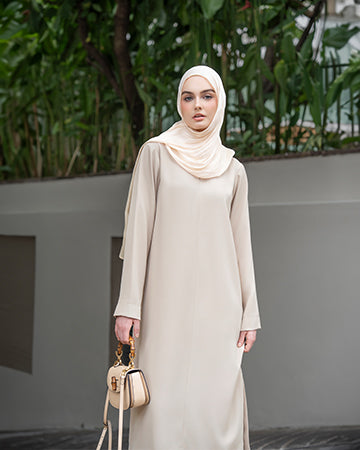
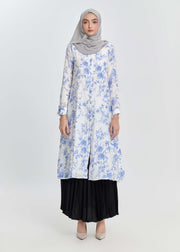
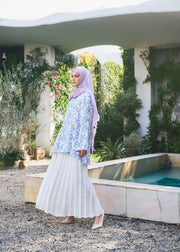
Dress in Islamic culture prioritizes modesty while allowing for cultural expression. Traditional garments vary widely - from abayas and jilbabs to regional clothing - while modern modest fashion continues to evolve globally.
Islamic Culture Around the World
One of the most important things to understand is that Islamic culture is not monolithic. Local traditions strongly influence how Islamic values are expressed.
-
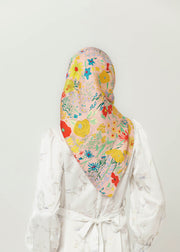
In Indonesia and Malaysia, Islamic culture blends with local customs and vibrant colors.
-
In the Middle East, traditions may be more conservative and rooted in tribal heritage.
-
In Western countries, Muslim communities adapt Islamic culture to modern, multicultural environments.
This diversity reflects Islam’s global presence and adaptability.

Islamic Culture Around the World
Common Misconceptions About Islamic Culture
Many misunderstandings about Islamic culture come from oversimplification or media stereotypes.
-
Islamic culture does not suppress individuality; it balances personal freedom with social responsibility.
-
Women’s roles in Islamic culture vary widely by society and are influenced by culture as much as religion.
-
Islamic culture is not anti-modern; many Muslims actively engage with technology, education, and global trends.
Learning from authentic sources helps clarify these misconceptions.
Why Understanding Islamic Culture Matters
In an increasingly globalized world, understanding Islamic culture promotes cultural sensitivity, inclusivity, and mutual respect. Whether for education, travel, business, or personal growth, learning about Islamic traditions and values helps bridge cultural gaps and encourages meaningful dialogue.
Conclusion
Islamic culture is a complex and dynamic system of values, traditions, and daily practices shaped by faith and local influences. From family life and hospitality to modesty and community responsibility, Islamic culture offers a holistic approach to living with purpose and respect. By understanding its foundations and diversity, we gain a clearer and more accurate perspective on one of the world’s most influential cultures.