

Sustainable Muslim Fashion Trends to Watch in 2026
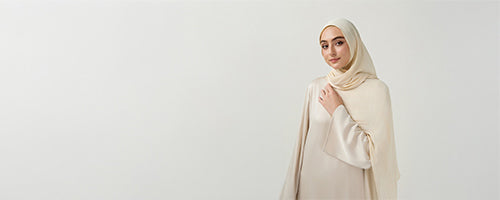
In 2026, sustainable Muslim fashion is no longer a niche concept - it is becoming a core direction of the global modest fashion industry. As Muslim women grow more conscious of how their clothing is made, sustainability, ethics, and long-term value are shaping purchasing decisions alongside style and modesty.
This shift reflects not only global fashion trends but also Islamic values that emphasize moderation, responsibility, and respect for resources.
Why Sustainability Matters in Muslim Fashion
Sustainable Muslim fashion aligns naturally with the principles of Islam. Modesty in dress is closely connected to modesty in consumption - choosing quality over excess and avoiding wasteful behavior.
In 2026, Muslim women are increasingly questioning fast fashion cycles. Instead of frequently buying trend-driven pieces, they prefer clothing that lasts longer, feels comfortable, and can be styled in multiple ways. Sustainability is no longer just about materials; it also includes ethical labor practices, durability, and thoughtful design.
Slow Fashion Over Fast Trends
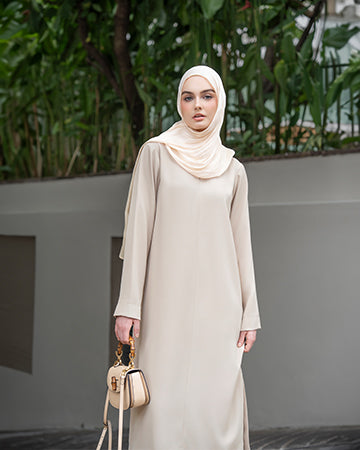
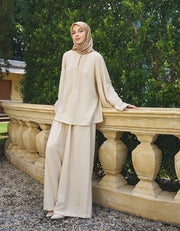
One of the most noticeable sustainable Muslim fashion trends in 2026 is the rise of slow fashion. Brands are focusing on timeless silhouettes rather than seasonal hype.
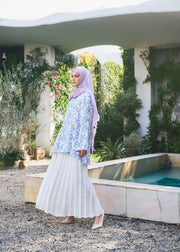
Abayas, modest dresses, and layering pieces are designed with classic cuts and neutral color palettes, making them wearable year after year. This approach allows Muslim women to build capsule wardrobes that support both modesty and sustainability.
Slow fashion also encourages emotional attachment to clothing - owning fewer pieces that truly fit one’s lifestyle and values.

Slow Fashion Over Fast Trends
Eco-Friendly Fabrics in Modest Wear
Fabric innovation plays a key role in sustainable Muslim fashion. In 2026, eco-friendly materials are increasingly used in modest clothing collections.
Organic cotton, linen blends, TENCEL™, and recycled fibers are gaining popularity due to their breathability and reduced environmental impact. These fabrics are especially suitable for modest wear, as they provide comfort, coverage, and durability across different climates.
Choosing sustainable fabrics also improves the overall wearing experience, making modest fashion more practical for daily life.
Ethical Production and Transparent Brands
Another major trend in sustainable Muslim fashion is transparency. Muslim consumers are becoming more selective, favoring brands that openly communicate how and where their garments are produced.
Ethical labor practices, fair wages, and safe working conditions are increasingly important factors in purchasing decisions. In 2026, sustainability is not only about the environment but also about social responsibility.
Brands that embrace transparency build stronger trust with consumers who value integrity alongside aesthetics.
Minimalist Design as a Sustainable Choice
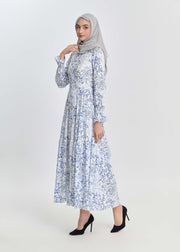
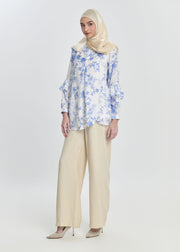
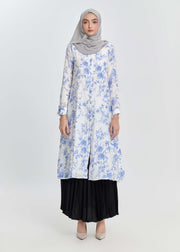
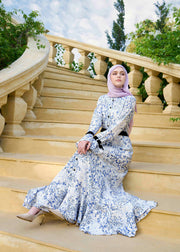
Minimalism continues to define sustainable Muslim fashion trends. Clean lines, simple detailing, and neutral tones reduce the need for excessive production and frequent replacement.
Minimalist modest fashion allows women to mix and match outfits easily, reducing overconsumption. A single well-designed abaya or dress can be styled differently for work, travel, and social events, maximizing its use.
This design philosophy supports sustainability while enhancing everyday practicality.

Minimalist Design as a Sustainable Choice
Longevity and Quality Over Quantity
Durability is a key pillar of sustainable Muslim fashion in 2026. Women are prioritizing garments that maintain shape, color, and comfort after repeated wear.
High-quality stitching, reinforced seams, and premium fabrics are becoming standard expectations rather than luxury features. Investing in fewer but better-made pieces reduces long-term cost and environmental impact.
This mindset shift marks a significant departure from disposable fashion culture.
The Role of Accessories in Sustainable Styling
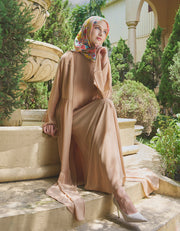
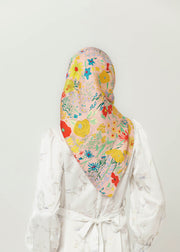
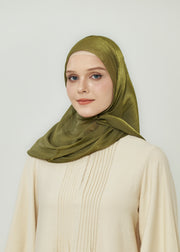
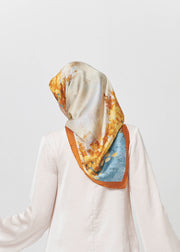
Sustainability also extends to accessories in Muslim fashion. Instead of buying multiple trend-based items, women are choosing versatile hijabs, neutral bags, and timeless footwear.
Accessories are selected to complement a wide range of outfits, supporting a more intentional and sustainable wardrobe. This approach reinforces the idea that sustainability is about thoughtful choices rather than sacrifice.

The Role of Accessories in Sustainable Styling
How Muslim Women Embrace Sustainable Fashion in 2026
In 2026, sustainable Muslim fashion is as much about lifestyle as it is about clothing. Women are learning to style existing pieces creatively, care for garments properly, and avoid unnecessary purchases.
Education through social media, modest fashion communities, and brand storytelling plays a significant role in this transition. Sustainability is no longer seen as restrictive - it is viewed as empowering and aligned with personal values.
Final Thoughts
Sustainable Muslim fashion trends in 2026 reflect a deeper connection between faith, fashion, and responsibility. By embracing slow fashion, ethical production, and timeless design, Muslim women are reshaping modest fashion into a more conscious and meaningful industry.
Sustainability is not about abandoning style; it is about redefining it with purpose and intention.
To explore modern modest fashion that balances sustainability, elegance, and everyday practicality, visit Minnaba and discover thoughtfully designed pieces for conscious Muslim women.