








Key Elements of Islamic Culture Every Non-Muslim Should Know
Understanding the elements of Islamic culture is essential for anyone who wants to engage respectfully with Muslim communities, whether for education, travel, work, or personal interest. Islamic culture is often misunderstood because it is viewed as a single, uniform system. In reality, it is a combination of core religious principles and diverse cultural practices shaped by geography and history.
This guide breaks down the key elements of Islamic culture in a clear and accessible way, especially for non-Muslims seeking accurate information.
Religion as the Foundation of Islamic Culture
One of the most important elements of Islamic culture is the central role of religion. Islam is not only a belief system but also a way of life that influences ethics, behavior, and social norms.
Daily prayers, fasting during Ramadan, and acts of charity are integrated into everyday routines. These practices shape time management, family schedules, and even business hours in many Muslim-majority societies. However, levels of religious observance vary among individuals and regions.
Modesty as a Core Cultural Principle
Modesty is a defining element of Islamic culture and extends beyond clothing. It includes behavior, language, and interactions between individuals.
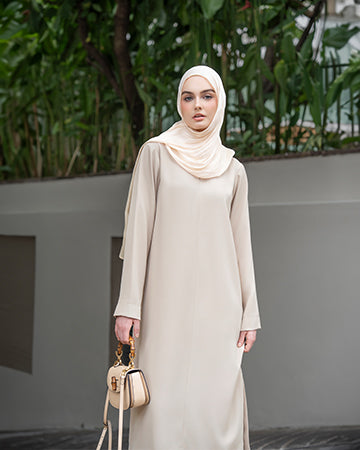
In terms of dress, modesty generally means covering the body in a way that is respectful and not overly revealing. This applies to both men and women, though interpretations differ across cultures. Beyond appearance, modesty also refers to humility, politeness, and avoiding unnecessary attention.

Modesty as a Core Cultural Principle
Family and Social Structure
Family plays a central role among the key elements of Islamic culture. Strong family ties are encouraged, and respect for parents and elders is deeply ingrained.
Decisions related to marriage, education, and career are often influenced by family considerations. Extended families frequently maintain close relationships, offering emotional and financial support. This collective approach contrasts with more individualistic cultures and helps strengthen community bonds.
Community and Collective Responsibility
Another essential element of Islamic culture is the emphasis on community, known as the Ummah. Muslims are encouraged to care for one another and contribute positively to society.
Charity is institutionalized through Zakat, a mandatory form of almsgiving, and Sadaqah, voluntary charity. These practices reinforce social responsibility and compassion for the less fortunate, making generosity a visible and valued cultural trait.
Hospitality and Social Etiquette
Hospitality is one of the most recognizable elements of Islamic culture. Guests are treated with great respect, often offered food, drinks, and a warm welcome.
Social etiquette emphasizes politeness, patience, and consideration for others. Greetings, respectful language, and appropriate behavior in social settings are important markers of good character within Islamic culture.
Dietary Practices and Halal Food
Food is another key cultural element shaped by Islamic principles. Halal dietary laws define what is permissible to eat and how food should be prepared.
Pork and alcohol are prohibited, while cleanliness and ethical sourcing are emphasized. Sharing meals with family and guests is an important social activity, reinforcing bonds and expressing hospitality.
Clothing and Cultural Identity
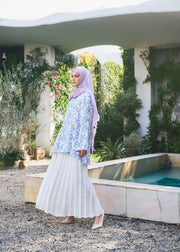
Clothing reflects both religious values and cultural identity in Islamic societies. While modesty remains the core principle, styles vary widely across regions.
Traditional garments such as abayas, jilbabs, or regional attire coexist with modern modest fashion. This evolution shows how Islamic culture adapts to contemporary lifestyles while maintaining its foundational values.

Clothing and Cultural Identity
Art, Architecture, and Cultural Expression
Artistic expression is another important element of Islamic culture. Islamic art often focuses on calligraphy, geometric patterns, and architecture rather than figurative imagery.
Mosques, historical buildings, and decorative arts reflect a strong appreciation for beauty, symmetry, and spiritual symbolism. These artistic traditions continue to influence modern design and architecture worldwide.

Art, Architecture, and Cultural Expression
Diversity Within Islamic Culture
A crucial point for non-Muslims to understand is that Islamic culture is not identical everywhere. Local customs, languages, and traditions significantly influence how Islamic values are practiced.
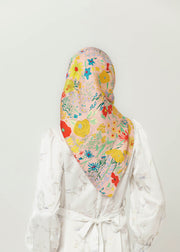
For example, Islamic culture in Southeast Asia may emphasize colorful attire and local customs, while Middle Eastern cultures may appear more conservative. These differences highlight the flexibility and global reach of Islamic culture.
Why Understanding the Elements of Islamic Culture Matters
Learning about the elements of Islamic culture helps reduce stereotypes and encourages respectful cross-cultural interaction. It allows non-Muslims to communicate more effectively, avoid misunderstandings, and appreciate cultural diversity.
In a globalized world, cultural awareness is not optional - it is a valuable skill that fosters mutual respect and cooperation.
Conclusion
The elements of Islamic culture are built on faith, modesty, family values, community responsibility, and respect for others. While these core principles remain consistent, their expression varies across regions and societies. By understanding these key elements, non-Muslims gain a more accurate and respectful perspective on Islamic culture and the communities shaped by it.