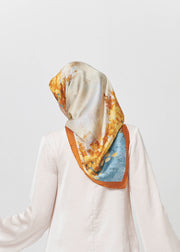
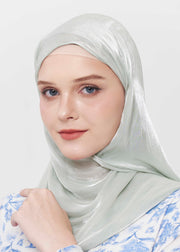


What Is Modest Fashion? How It Aligns With Islamic Values
Modest fashion has become a global movement, embraced by people from different cultures, lifestyles, and faiths. While often associated with Muslim women, modest fashion extends beyond religion and represents a conscious choice to dress with dignity, comfort, and balance. To fully understand its relevance within the Muslim community, it is important to explore what modest fashion truly means and how it aligns with Islamic values.
What Is Modest Fashion?
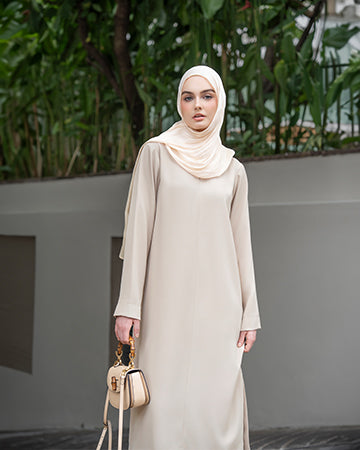
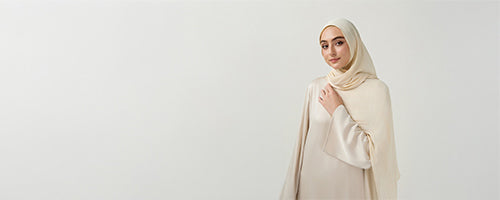
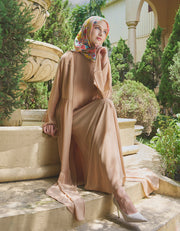
Modest fashion refers to clothing that provides greater coverage and avoids revealing or form-fitting designs. It emphasizes loose silhouettes, longer hemlines, higher necklines, and fabrics that do not cling to the body. Unlike fast-changing trends, modest fashion focuses on timelessness, practicality, and personal comfort.
Although modest fashion is widely worn by Muslim women, it is not exclusive to Islam. Many people choose modest clothing for cultural, personal, or ethical reasons. However, within an Islamic context, modest fashion serves as a bridge between religious principles and modern lifestyle needs.

What Is Modest Fashion?
The Concept of Modesty in Islam
In Islam, modesty - known as haya - is a fundamental value that applies to behavior, speech, and appearance. Clothing is one of the most visible expressions of this value. Islamic teachings encourage both men and women to dress modestly, promoting humility and self-respect rather than outward display.
Modest fashion aligns naturally with Islamic guidelines by focusing on coverage and dignity without eliminating individuality. It allows Muslim women to express their identity while remaining faithful to religious teachings.
How Modest Fashion Aligns With Islamic Values
Coverage and Protection of Awrah
One of the core requirements in Islamic dress is covering the awrah, or parts of the body that should remain private. Modest fashion garments - such as long dresses, abayas, and loose tunics - support this requirement by offering sufficient coverage in everyday settings.
Loose-Fitting Silhouettes
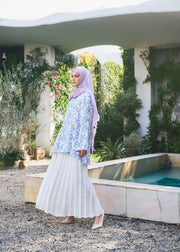
Islamic values emphasize avoiding clothing that reveals the body shape. Modest fashion prioritizes relaxed cuts and flowing designs, ensuring comfort and discretion. This approach makes modest fashion especially suitable for daily wear, work environments, and social occasions.
Dignity Over Display
Modest fashion promotes elegance without excess. Rather than focusing on attracting attention, it encourages thoughtful styling, quality fabrics, and balanced design. This principle reflects Islamic teachings that value humility over extravagance.
Adaptability to Modern Life
One of the strengths of modest fashion is its flexibility. Muslim women today balance careers, education, family, and social lives. Modest fashion offers versatile pieces that meet Islamic requirements while fitting seamlessly into contemporary lifestyles.

How Modest Fashion Aligns With Islamic Values
Modest Fashion vs. Islamic Fashion
Although the two terms are often used interchangeably, modest fashion and Islamic fashion are not identical. Modest fashion is a broader category that includes anyone who prefers conservative clothing, regardless of religious belief. Islamic fashion, however, is directly guided by Islamic teachings and spiritual intentions.
That said, many Islamic fashion brands operate within the modest fashion space, offering collections that satisfy religious requirements while appealing to a wider audience. This overlap has contributed to the global popularity of modest fashion.
Key Modest Fashion Pieces Popular Among Muslim Women
Several garments have become staples in modest fashion wardrobes:
-
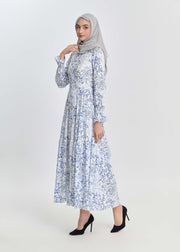
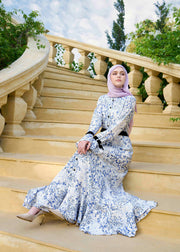
Long dresses and maxi dresses that offer full coverage
-
Abayas and kaftans designed for elegance and comfort
-
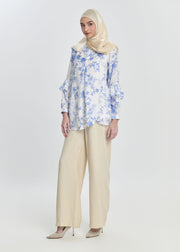
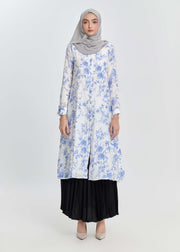
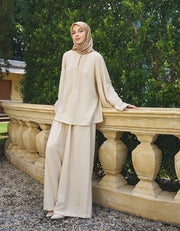
Tunics paired with wide-leg pants or skirts
-
Layering pieces such as vests, cardigans, and outerwear
-
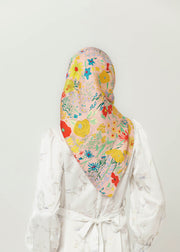
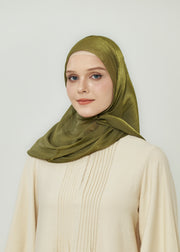
Hijabs that complement modest outfits without overpowering them
These pieces allow Muslim women to create diverse looks while staying true to Islamic values.
The Rise of Modest Fashion in the Global Industry
The growth of modest fashion reflects a broader demand for inclusivity and ethical design. International fashion brands, designers, and fashion weeks now recognize modest fashion as an important segment of the market.
Social media has also played a major role in redefining modest fashion. Muslim creators and influencers showcase how modest outfits can be stylish, modern, and empowering. This visibility challenges outdated stereotypes and highlights the creativity within Islamic-inspired fashion.
Modest Fashion as a Form of Self-Expression
Contrary to common misconceptions, modest fashion does not limit personal style. Instead, it encourages creativity through layering, color coordination, and thoughtful accessorizing. Muslim women use modest fashion as a way to express confidence, cultural identity, and faith - all at once.
By choosing modest fashion, many women find a sense of empowerment rooted in personal values rather than external trends.

Modest Fashion as a Form of Self-Expression
Conclusion
Modest fashion is more than a clothing choice - it is a reflection of values, identity, and intentional living. For Muslim women, it aligns closely with Islamic principles by promoting modesty, dignity, and balance while adapting to modern lifestyles. As the movement continues to grow, modest fashion proves that faith and fashion can coexist beautifully.
If you are looking for modern modest fashion that respects Islamic values while embracing contemporary design, explore curated collections at Minnaba, where elegance, comfort, and modesty come together.