


Common Misconceptions About Islamic Fashion
Islamic fashion has become increasingly visible on the global stage, yet many misconceptions still surround it. These misunderstandings often stem from cultural stereotypes, limited exposure, or oversimplified media narratives. In reality, Islamic fashion is diverse, evolving, and deeply rooted in values rather than restrictions. Addressing these common misconceptions helps create a more accurate and respectful understanding of what Islamic fashion truly represents.
Misconception 1: Islamic Fashion Is Oppressive
One of the most widespread misconceptions is that Islamic fashion is forced upon Muslim women and limits their freedom. In truth, Islamic fashion is closely tied to personal faith and choice. For many Muslim women, dressing modestly is a conscious decision that reflects spiritual values, self-respect, and identity.
Islamic teachings emphasize intention and agency. While cultural practices may differ across regions, Islamic fashion itself is not about control but about aligning one’s appearance with personal beliefs. Many Muslim women view modest clothing as empowering rather than restrictive.

Misconception 1: Islamic Fashion Is Oppressive
Misconception 2: Islamic Fashion Is Outdated or Old-Fashioned
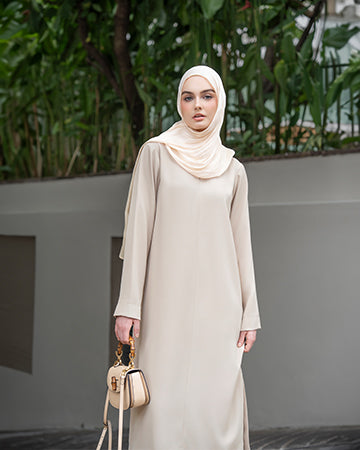
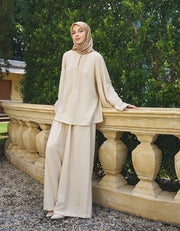
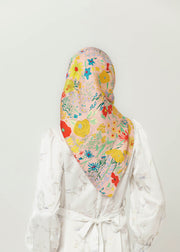
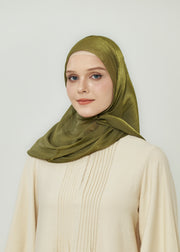
Another common belief is that Islamic fashion lacks modern appeal. This perception ignores the significant evolution of modest clothing in recent decades. Today, Islamic fashion incorporates contemporary cuts, trend-aware designs, and innovative fabrics while maintaining modest principles.
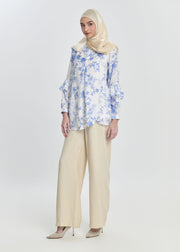
Modern Islamic fashion includes minimalist silhouettes, neutral color palettes, and versatile pieces suitable for work, travel, and social events. Designers around the world continue to reinterpret modest clothing in ways that resonate with current fashion trends.
Misconception 3: Islamic Fashion Is the Same Everywhere
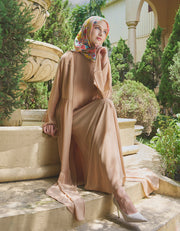
Islamic fashion is often mistakenly viewed as uniform across all Muslim communities. In reality, it varies widely based on culture, climate, and local traditions. What a Muslim woman wears in the Middle East may look very different from styles in Southeast Asia, Africa, or Europe.
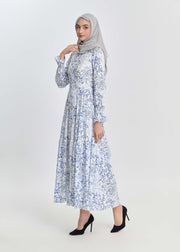
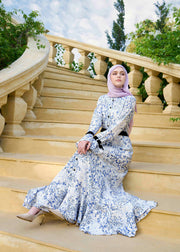
While the principles of modesty remain consistent, the garments themselves reflect cultural diversity. Abayas, kaftans, maxi dresses, tunics, and layered outfits all fall under the umbrella of Islamic fashion, depending on regional preferences.

Misconception 3: Islamic Fashion Is the Same Everywhere
Misconception 4: Islamic Fashion Is Only for Muslim Women
Although Islamic fashion is guided by Islamic values, its appeal extends beyond the Muslim community. Many non-Muslim women embrace modest fashion for reasons such as comfort, professionalism, or personal style preferences.
The rise of modest fashion has blurred the lines between religious and lifestyle clothing. Islamic fashion brands often design pieces that appeal to a broad audience while still honoring Islamic guidelines, contributing to its growing global popularity.
Misconception 5: Islamic Fashion Lacks Creativity
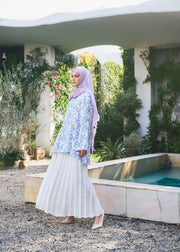
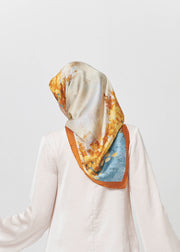
Some assume that modest dress limits creativity, but Islamic fashion often encourages innovation through design rather than exposure. Designers focus on layering, textures, fabric quality, and refined tailoring to create visually compelling outfits.
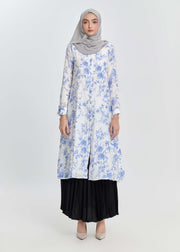
Color coordination, embroidery, pleating, and thoughtful detailing play a major role in Islamic fashion. Creativity emerges not from revealing silhouettes, but from intentional design choices that balance elegance and modesty.
Misconception 6: Islamic Fashion Rejects Beauty and Elegance
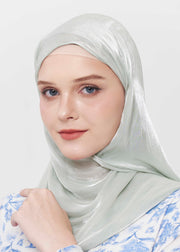
Islam does not prohibit beauty. In fact, elegance and cleanliness are encouraged, provided they are expressed with balance. Islamic fashion allows women to look polished and stylish without excess or extravagance.
Well-designed modest clothing highlights craftsmanship and quality rather than attention-seeking elements. This approach aligns with Islamic values that emphasize inner character alongside outward appearance.

Misconception 6: Islamic Fashion Rejects Beauty and Elegance
Misconception 7: Islamic Fashion Is Only Religious, Not Practical
Another misunderstanding is that Islamic fashion is impractical for modern life. On the contrary, many modest fashion designs are created with functionality in mind. Breathable fabrics, comfortable fits, and versatile pieces make Islamic fashion suitable for daily wear, professional settings, and travel.
As Muslim women navigate careers, education, and active lifestyles, Islamic fashion continues to adapt to meet real-world needs.
Why These Misconceptions Persist
Misconceptions about Islamic fashion often arise from limited representation and oversimplified portrayals. Media narratives frequently fail to show the diversity and agency within Muslim communities. As a result, Islamic fashion is viewed through a narrow lens rather than understood in its full context.
Education, representation, and inclusive conversations play a critical role in reshaping these perceptions.
The Reality of Islamic Fashion Today
Islamic fashion today is dynamic, inclusive, and globally recognized. It reflects faith while embracing modernity, cultural diversity, and personal expression. By challenging misconceptions, a clearer picture emerges - one where modesty and style coexist without conflict.
Conclusion
Common misconceptions about Islamic fashion often overlook its depth, diversity, and meaning. Far from being restrictive or outdated, Islamic fashion represents choice, creativity, and values-driven design. As awareness grows, so does appreciation for the balance Islamic fashion offers between faith and modern living.
For those seeking thoughtfully designed Islamic fashion that blends modest principles with contemporary aesthetics, explore curated collections at Minnaba, where modern elegance meets meaningful design.