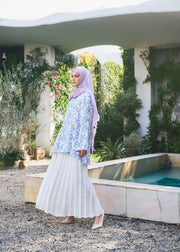
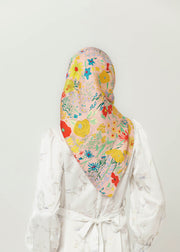
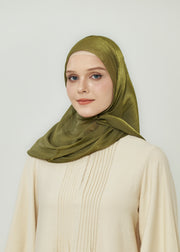
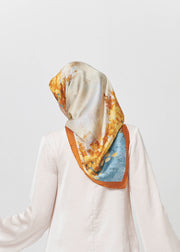
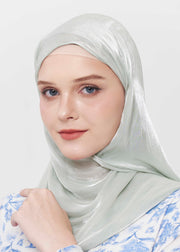


Breathable Fabrics for Islamic Clothing in Hot Climates
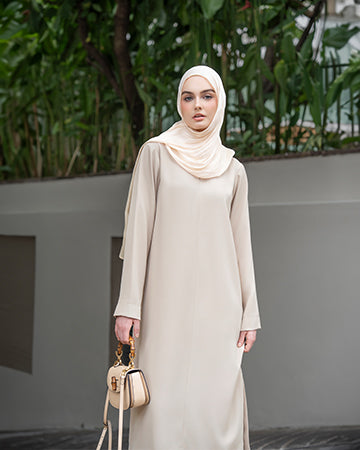
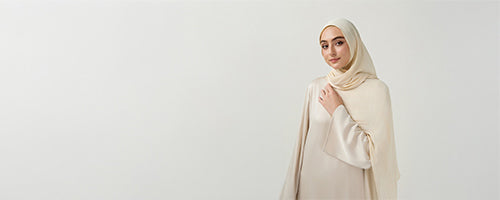
In hot and humid climates, choosing the right fabric is one of the most important aspects of Islamic clothing. Modesty requirements often involve longer silhouettes, layered designs, and full coverage, which can become uncomfortable if the fabric does not allow proper airflow. This is why breathable fabrics for Islamic clothing play a critical role in ensuring comfort, practicality, and everyday wearability - without compromising modesty or style.
Why Breathable Fabrics Matter in Islamic Clothing
Islamic fashion prioritizes modesty, but it also emphasizes balance, comfort, and practicality. In regions with high temperatures or strong sunlight, poor fabric choices can lead to overheating, excessive sweating, and discomfort throughout the day. Breathable fabrics allow air to circulate freely, help regulate body temperature, and absorb moisture, making them ideal for daily modest wear.
For Muslim women who wear abayas, jilbabs, long dresses, or layered outfits, fabric breathability directly affects how confident and comfortable they feel, especially during long working hours, travel, or outdoor activities.
Key Characteristics of Breathable Fabrics
When selecting breathable fabrics for Islamic clothing in hot climates, there are several essential characteristics to consider:
-
Natural or semi-natural fibers that allow airflow
-
Moisture absorption to reduce sweat buildup
-
Lightweight structure without being see-through
-
Soft texture that does not cling to the skin
Fabrics that combine these qualities help maintain modesty while enhancing comfort in warm weather.
Best Breathable Fabrics for Islamic Clothing
Cotton: A Timeless Choice for Modest Wear
Cotton is one of the most popular breathable fabrics for Islamic clothing. Its natural fibers allow excellent airflow and moisture absorption, making it ideal for hot climates. Cotton abayas, tunics, and maxi dresses are comfortable for everyday wear and suitable for both casual and semi-formal occasions.
Another advantage of cotton is its versatility. It can be woven in different weights, allowing designers to create modest garments that remain opaque while staying breathable.

Cotton: A Timeless Choice for Modest Wear
Linen: Lightweight and Airy for Extreme Heat
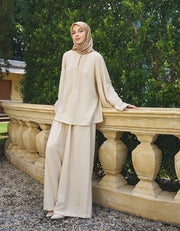
Linen is known for its exceptional breathability and cooling properties. Made from flax fibers, linen allows heat to escape easily, making it especially suitable for very hot or dry climates. Linen Islamic clothing is often chosen for summer abayas, loose-fit dresses, and modest sets.
While linen wrinkles more easily than other fabrics, many modern Islamic fashion brands blend linen with cotton or viscose to improve durability while maintaining breathability.
Viscose and Rayon: Soft and Flowing Alternatives
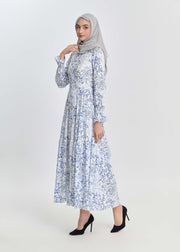
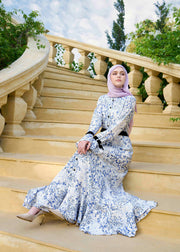
Viscose and rayon are semi-synthetic fabrics derived from natural sources such as wood pulp. They are lightweight, breathable, and have a soft drape, making them popular choices for modest fashion. These fabrics are often used in flowing dresses, skirts, and layered outfits that require movement and elegance.
For hot climates, viscose-based Islamic clothing offers a good balance between comfort and refined appearance.
Chiffon (With Proper Lining)
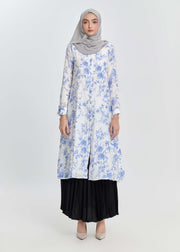
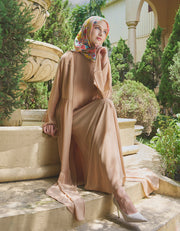
Chiffon is a lightweight and breathable fabric commonly used in Islamic fashion for outer layers. While chiffon itself is sheer, it becomes suitable for modest wear when paired with proper lining. Breathable linings ensure airflow while maintaining full coverage.
Chiffon abayas and dresses are especially popular for formal occasions in warm weather due to their airy feel and graceful silhouette.
Fabrics to Avoid in Hot Climates
Not all fabrics are suitable for Islamic clothing in warm environments. Heavy synthetic materials such as polyester blends with low airflow can trap heat and cause discomfort. Thick satin, heavily structured fabrics, or non-breathable synthetics may look elegant but are often impractical for daily wear in hot climates.
Understanding fabric composition helps avoid outfits that feel restrictive or overly warm.

Fabrics to Avoid in Hot Climates
Styling Tips for Hot-Climate Islamic Fashion
Beyond fabric choice, styling also plays an important role in comfort:
-
Opt for loose silhouettes to allow air circulation
-
Choose lighter colors that reflect heat
-
Minimize heavy layering when possible
-
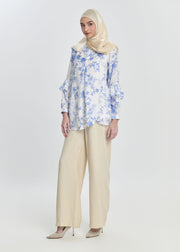
Pair breathable fabrics with simple, modest cuts
These considerations enhance the performance of breathable fabrics and improve overall wearability.
Modern Islamic Fashion and Fabric Innovation
Today, many Islamic fashion brands are investing in innovative breathable fabrics that combine modesty, sustainability, and modern aesthetics. Eco-friendly materials, improved weaves, and fabric blends are transforming how modest clothing performs in hot climates.
This evolution reflects a growing understanding that Islamic fashion is not only about appearance but also about lifestyle and comfort.

Modern Islamic Fashion and Fabric Innovation
Final Thoughts
Selecting breathable fabrics for Islamic clothing in hot climates is essential for maintaining comfort, confidence, and modesty. Fabrics like cotton, linen, viscose, and chiffon - when used correctly - allow Muslim women to dress modestly without feeling restricted by the weather.
If you are looking for thoughtfully designed modest clothing made with comfort-focused fabrics, explore the latest collections from Minnaba, where modern Islamic fashion meets breathable materials and timeless elegance.