
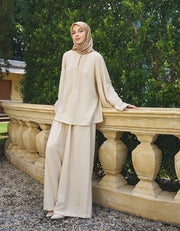
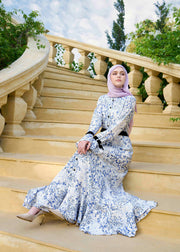
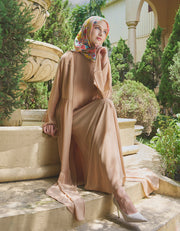
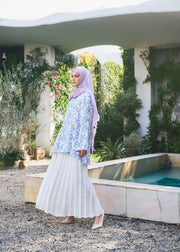


Sustainable Fabrics in Islamic Fashion: Modesty with Responsibility
In recent years, sustainability has become a defining trend in the global fashion industry, and Islamic fashion is no exception. As Muslim consumers grow more conscious of environmental impact, ethical production, and long-term value, the demand for sustainable fabrics in Islamic fashion continues to rise. This movement reflects not only modern consumer awareness but also deeply rooted Islamic principles of responsibility, balance, and respect for the Earth.
The Connection Between Sustainability and Islamic Values
Islam places strong emphasis on stewardship (khalifah), moderation, and avoiding waste. These principles naturally align with sustainable fashion practices. Choosing eco-friendly fabrics, supporting ethical production, and investing in durable garments are all consistent with Islamic teachings.
In Islamic fashion, sustainability goes beyond trends. It represents a thoughtful approach to modest clothing - one that considers how garments are made, how long they last, and how they affect both people and the planet.
What Makes a Fabric Sustainable?
To understand sustainable fabrics in Islamic fashion, it is important to define what “sustainable” truly means. A sustainable fabric typically meets several of the following criteria:
-
Made from renewable or natural resources
-
Produced with reduced water and chemical usage
-
Biodegradable or recyclable
-
Durable and long-lasting
-
Ethically sourced and manufactured
These qualities ensure that modest clothing is not only beautiful but also responsible.

What Makes a Fabric Sustainable?
Popular Sustainable Fabrics Used in Islamic Fashion
Organic Cotton: A Responsible Classic
Organic cotton is one of the most widely used sustainable fabrics in Islamic fashion. Unlike conventional cotton, it is grown without harmful pesticides or synthetic fertilizers, reducing environmental damage and protecting farmers’ health.
Organic cotton is breathable, soft, and versatile, making it ideal for abayas, dresses, tunics, and everyday modest wear. Its comfort and durability make it a long-term wardrobe investment rather than a fast-fashion item.
Linen: Natural and Low-Impact
Linen, made from flax fibers, is another highly sustainable fabric. Flax requires less water and fewer chemicals compared to other crops, making linen an eco-friendly choice. In Islamic fashion, linen is often used for loose silhouettes, summer abayas, and modest sets.
Its lightweight and breathable nature also supports comfort in warm climates, aligning sustainability with practicality.
Recycled Fabrics in Modern Modest Wear
Recycled polyester and blended recycled fabrics are gaining popularity in Islamic fashion, especially in outerwear and structured garments. By repurposing plastic waste and textile scraps, these fabrics help reduce landfill impact while maintaining durability.
When blended with natural fibers, recycled fabrics can offer both sustainability and comfort without compromising modesty.

Popular Sustainable Fabrics Used in Islamic Fashion
Why Sustainable Fabrics Matter in Modest Fashion
Islamic clothing often features timeless designs rather than short-lived trends. Sustainable fabrics support this approach by offering longevity and versatility. A well-made abaya or modest dress crafted from sustainable materials can be worn for years, reducing the need for constant replacement.
Additionally, sustainable fabrics are often gentler on the skin, making them suitable for daily wear, prayer, and long hours of use.
The Role of Brands in Promoting Sustainable Islamic Fashion
Fashion brands play a critical role in shaping consumer choices. By prioritizing sustainable fabrics, ethical sourcing, and transparent production, Islamic fashion brands can influence positive change across the industry.
Consumers are increasingly seeking brands that align with their values - brands that respect modesty, quality, and environmental responsibility. This shift is encouraging more designers to rethink fabric selection and production methods.
How Consumers Can Make More Sustainable Choices
Muslim consumers can support sustainable Islamic fashion by:
-
Choosing garments made from natural or certified sustainable fabrics
-
Investing in quality over quantity
-
Supporting brands with ethical and transparent practices
-
Caring for garments properly to extend their lifespan
These small decisions collectively make a significant impact.

How Consumers Can Make More Sustainable Choices
The Future of Sustainable Fabrics in Islamic Fashion
As technology advances and awareness grows, sustainable fabrics will continue to shape the future of Islamic fashion. From biodegradable textiles to innovative eco-friendly blends, the industry is moving toward a more responsible and conscious model.
Sustainability is no longer optional - it is becoming a standard expectation among modern modest fashion consumers.
Final Thoughts
Sustainable fabrics in Islamic fashion represent a harmonious blend of modesty, ethics, and modern responsibility. By choosing eco-friendly materials and supporting conscious brands, Muslim women can express their faith and style while contributing to a healthier planet.
If you are looking for thoughtfully designed modest clothing that values both sustainability and elegance, explore the latest collections from Minnaba, where modern Islamic fashion meets responsible fabric choices and timeless design.