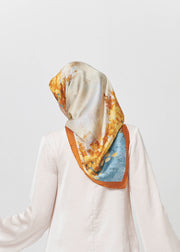
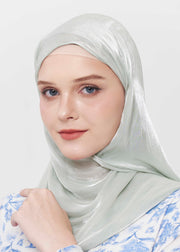


Hijab Styling in Islamic Fashion: Classic to Contemporary
Hijab styling in Islamic fashion reflects a unique balance between faith, modesty, and personal expression. Over time, hijab has evolved from traditional, culturally specific styles into a diverse fashion movement that spans continents and generations. Today, hijab styling seamlessly blends classic Islamic principles with contemporary aesthetics, allowing Muslim women to express individuality while remaining true to their values.
The Foundation of Hijab Styling in Islamic Fashion
At its core, hijab styling in Islamic fashion is guided by the principle of modesty. This includes covering the body appropriately, choosing opaque fabrics, and favoring loose silhouettes over form-fitting designs. However, modesty does not equate to monotony. Islamic fashion emphasizes elegance, cleanliness, and intentional dressing.
Hijab acts as the focal point of an outfit, influencing color coordination, layering techniques, and overall balance. Whether styled traditionally or creatively, hijab remains rooted in spiritual intention, shaping how fashion choices are made.
Classic Hijab Styling: Timeless and Cultural
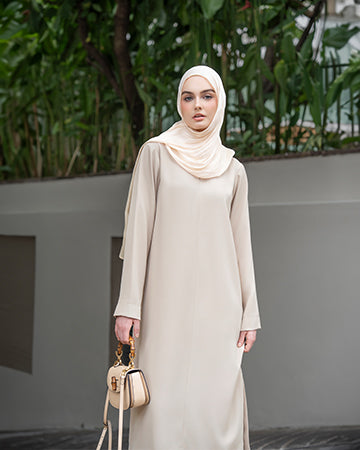
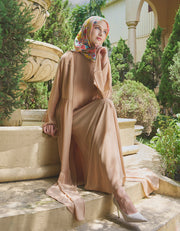
Classic hijab styling often reflects cultural heritage and long-standing traditions. In many regions, styles are influenced by local customs, climate, and textiles. For example, draped hijabs paired with abayas in the Gulf, structured headscarves in Turkey, or simple wraps in South Asia all represent classic interpretations.
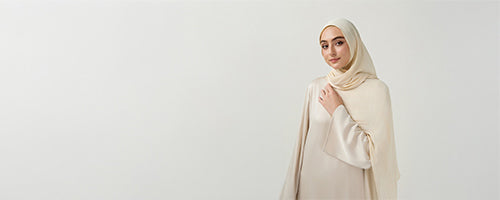
These styles prioritize practicality and modest coverage while maintaining cultural identity. Neutral colors, flowing fabrics, and minimal embellishment define classic hijab styling, making it timeless and universally appropriate.

Classic Hijab Styling: Timeless and Cultural
The Rise of Contemporary Hijab Styling
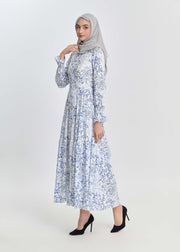
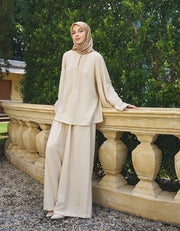
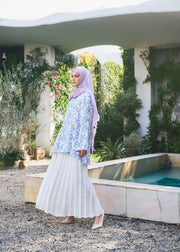
Modern Islamic fashion has introduced fresh approaches to hijab styling. Contemporary hijab looks often incorporate current fashion trends such as monochrome outfits, layering with tailored pieces, and experimenting with textures like chiffon, silk, or jersey.
Hijab styling today is influenced by global fashion movements, digital platforms, and modest fashion influencers. Structured wraps, loose turban-inspired styles, and coordinated sets allow women to adapt hijab to professional, casual, or formal settings while maintaining modesty.
Color and Fabric in Hijab Styling
Color plays a significant role in hijab styling in Islamic fashion. Classic styles often rely on earth tones, black, beige, and white, which convey simplicity and elegance. Contemporary styling expands this palette to include muted pastels, deep jewel tones, and seasonal shades.
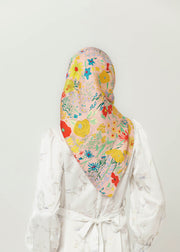
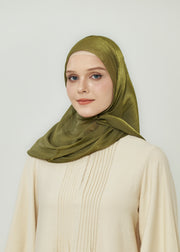
Fabric choice is equally important. Lightweight materials like chiffon and voile offer flow and softness, while jersey provides comfort and practicality for everyday wear. Luxury fabrics such as satin or silk elevate formal looks, reinforcing the connection between hijab styling and refined Islamic fashion.
Layering Techniques for Modest Styling
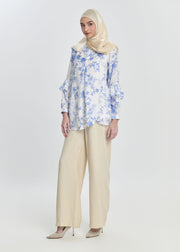
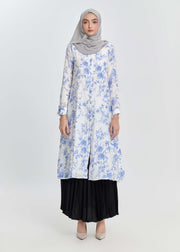
Layering is a defining element of hijab styling. It allows Muslim women to create dimension and structure without compromising coverage. Longline vests, oversized blazers, tunics, and maxi dresses are commonly layered with hijab to achieve balanced silhouettes.
In contemporary Islamic fashion, layering also supports versatility. A single hijab style can be adapted across multiple outfits, making modest wardrobes more functional and sustainable.

Layering Techniques for Modest Styling
Hijab Styling Across Different Lifestyles
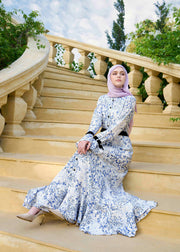
Hijab styling in Islamic fashion adapts easily to various lifestyles. For professional environments, clean wraps paired with tailored outfits project confidence and sophistication. Casual styling favors breathable fabrics and relaxed draping for comfort. For formal occasions, embellished hijabs and polished styling complement elegant garments.
This adaptability highlights why hijab remains relevant in modern life. It supports Muslim women in expressing professionalism, creativity, and elegance across different social contexts.
Breaking Stereotypes Through Hijab Styling
Modern hijab styling challenges outdated perceptions of Islamic fashion. Rather than being restrictive, hijab enables conscious dressing and empowers women to define their appearance intentionally.
Through thoughtful styling, hijab becomes a statement of self-respect and autonomy. Social media and global fashion platforms have amplified diverse hijab styles, helping reshape public understanding of Islamic fashion as dynamic and expressive.
The Future of Hijab Styling in Islamic Fashion
As modest fashion continues to expand, hijab styling is expected to evolve further. Sustainability, ethical sourcing, and timeless design are becoming central themes. Consumers increasingly seek versatile hijabs and garments that can transition across seasons and occasions.
Future trends will likely focus on quality fabrics, neutral palettes, and adaptable styling - values that naturally align with Islamic principles of balance and responsibility.
Conclusion
Hijab styling in Islamic fashion bridges the past and the present. From classic cultural expressions to contemporary global trends, hijab remains a powerful symbol of modesty, identity, and elegance. Its ability to evolve while staying rooted in faith is what makes hijab styling both timeless and modern.
For women seeking refined, thoughtfully designed modest wear that complements versatile hijab styling, explore the curated collections at Minnaba - where classic Islamic values meet contemporary fashion sensibilities.