

The Meaning of Hijab in Islamic Fashion and Modern Life
The meaning of hijab in Islamic fashion goes far beyond clothing. For Muslim women around the world, the hijab represents faith, identity, modesty, and personal expression. In today’s global fashion landscape, hijab has also become a powerful symbol of how Islamic values can coexist with modern style. Understanding its meaning helps clarify why hijab remains central to Islamic fashion, even as trends continue to evolve.
Understanding the Meaning of Hijab in Islam
In Islam, the word hijab literally means “barrier” or “cover.” While it is commonly associated with a headscarf worn by Muslim women, the concept of hijab encompasses much more. It refers to modesty in behavior, appearance, and interaction, for both men and women.
From an Islamic perspective, hijab encourages humility, dignity, and respect. Clothing is one visible expression of this principle, designed to draw attention to character rather than physical appearance. This foundational meaning strongly influences Islamic fashion, shaping silhouettes, fabric choices, and styling norms.
The Role of Hijab in Islamic Fashion
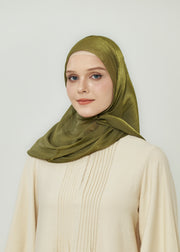
The meaning of hijab in Islamic fashion lies in its balance between modesty and aesthetics. Islamic fashion does not reject beauty; instead, it frames beauty within ethical and spiritual boundaries. Hijab plays a central role by guiding how garments are designed and styled.
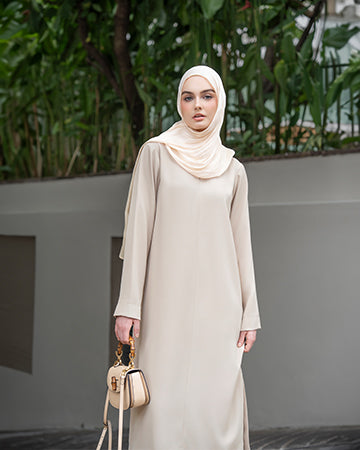
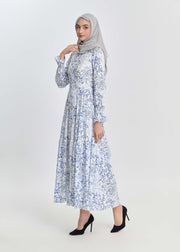
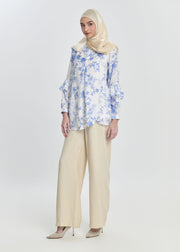
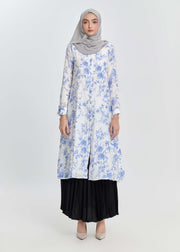
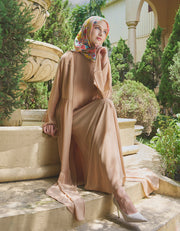
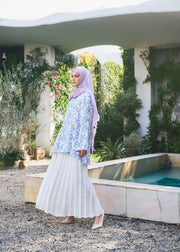
Loose-fitting cuts, opaque fabrics, longer hemlines, and thoughtful layering are all influenced by hijab principles. Designers working within Islamic fashion create collections that align with these values while still reflecting creativity, craftsmanship, and contemporary appeal.

The Role of Hijab in Islamic Fashion
Hijab as Identity in Modern Life
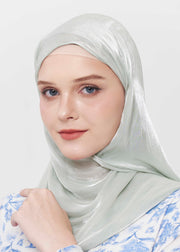
In modern society, hijab has become a visible marker of Muslim identity. For many women, wearing hijab is a conscious and empowering choice that reflects their beliefs and values. Rather than limiting self-expression, hijab often becomes a medium through which individuality and cultural heritage are expressed.
Across social media, fashion weeks, and lifestyle platforms, hijabi women are redefining global perceptions of Islamic fashion. The meaning of hijab in modern life now includes confidence, self-respect, and the freedom to define beauty on one’s own terms.
Cultural Diversity in Hijab Styles
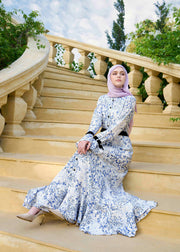
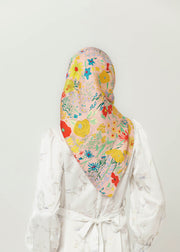
While the religious meaning of hijab remains consistent, its fashion expression varies widely across cultures. From structured Turkish styles to flowing Gulf abayas, vibrant Southeast Asian hijabs, and minimalist Western-inspired looks, hijab adapts to regional aesthetics.
This diversity highlights how Islamic fashion is not monolithic. Instead, it is deeply influenced by local culture, climate, and lifestyle. The meaning of hijab remains rooted in modesty, but its styling evolves naturally across different societies.
Hijab and Contemporary Fashion Trends
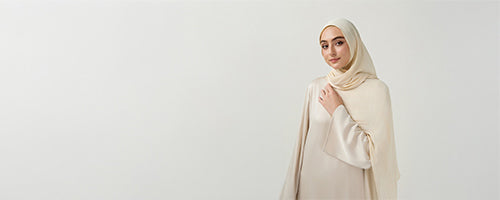
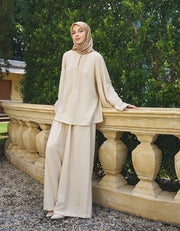
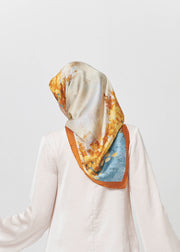
Modern Islamic fashion demonstrates that hijab can align seamlessly with current trends. Neutral color palettes, monochrome outfits, tailored layering, and luxury fabrics are increasingly popular among hijabi women.
The rise of modest fashion brands and global designers embracing inclusive collections shows how hijab is shaping mainstream fashion conversations. Today, hijab is not positioned outside fashion - it is an integral part of it. This evolution reinforces the idea that faith-based dressing and style innovation are not mutually exclusive.

Hijab and Contemporary Fashion Trends
Challenging Misconceptions About Hijab
One of the most important aspects of understanding the meaning of hijab in Islamic fashion is addressing misconceptions. Hijab is often misunderstood as a symbol of oppression, when in reality it is a personal and spiritual choice for many women.
Islamic fashion empowers women to engage with the world while maintaining their values. Hijab allows Muslim women to participate confidently in professional, social, and creative spaces without compromising their beliefs.
Hijab as a Form of Empowerment
For many women, hijab represents control over how they are seen and perceived. Rather than conforming to external beauty standards, hijab allows women to define modesty and elegance on their own terms.
In Islamic fashion, empowerment comes from intention. Choosing garments that align with faith while embracing personal style creates a sense of harmony between inner values and outer appearance.
The Future of Hijab in Islamic Fashion
As modest fashion continues to grow globally, the meaning of hijab in Islamic fashion will remain deeply relevant. Sustainability, ethical production, and timeless design are becoming increasingly important, aligning naturally with Islamic principles of responsibility and balance.
Future trends are likely to focus on quality over quantity, versatile pieces, and designs that support both modesty and modern lifestyles. Hijab will continue to inspire innovation while staying rooted in its spiritual foundation.
Conclusion
The meaning of hijab in Islamic fashion and modern life is multifaceted. It represents faith, identity, dignity, and conscious self-expression. Far from limiting fashion, hijab has enriched it - introducing new perspectives on beauty, elegance, and purpose.
For Muslim women seeking fashion that reflects both belief and contemporary style, brands like Minnaba offer thoughtfully designed pieces that honor the essence of hijab while embracing modern Islamic fashion values.