
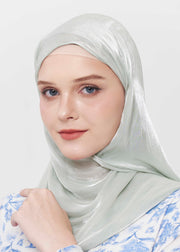


The Meaning of Islamic Fashion: Modesty, Identity, and Modern Style
The meaning of Islamic fashion goes far beyond clothing choices or seasonal trends. Rooted in faith, values, and cultural identity, Islamic fashion represents a holistic approach to dressing that balances modesty, dignity, and personal expression. In today’s global fashion landscape, Islamic fashion has evolved into a powerful movement - one that reflects both spiritual commitment and contemporary style.
Understanding the Core Meaning of Islamic Fashion
At its foundation, the meaning of Islamic fashion is closely tied to the Islamic principle of modesty (haya). Modesty in Islam is not limited to clothing; it extends to behavior, attitude, and lifestyle. Fashion, therefore, becomes a visible expression of inner values rather than a tool for attention or excess.
Islamic fashion emphasizes garments that are:
-
Loose-fitting rather than body-revealing
-
Non-transparent and respectful in design
-
Elegant without being extravagant
This approach allows Muslim women to dress beautifully while remaining aligned with their faith. Importantly, Islamic fashion is not about restriction - it is about intentionality.

Understanding the Core Meaning of Islamic Fashion
The Meaning of Islamic Fashion and Muslim Identity
Another essential aspect of the meaning of Islamic fashion is identity. For many Muslim women, the way they dress is a reflection of who they are and what they stand for. Clothing becomes a form of self-representation that communicates faith, values, and cultural belonging.
In multicultural societies, Islamic fashion also serves as a bridge between tradition and modern life. A modest outfit can simultaneously reflect religious principles and adapt to professional, social, or creative environments. This dual role reinforces the idea that Islamic fashion is dynamic rather than static.
How Modesty Shapes Modern Islamic Fashion Style
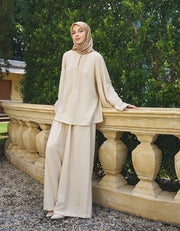
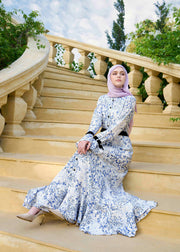
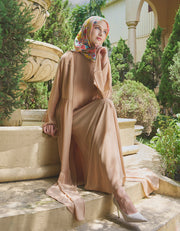
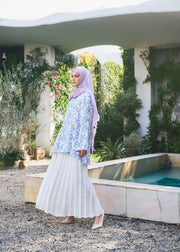
In recent years, the meaning of Islamic fashion has expanded through the rise of the global modest fashion industry. Designers and brands now reinterpret modesty through modern silhouettes, refined tailoring, and high-quality fabrics.
Key style elements commonly found in modern Islamic fashion include:
-
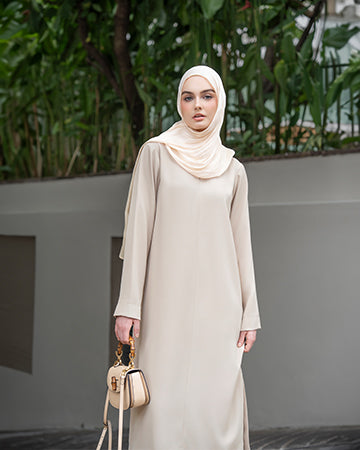
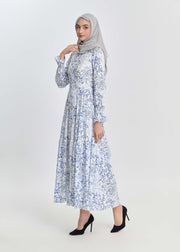
Maxi dresses and flowing abayas
-
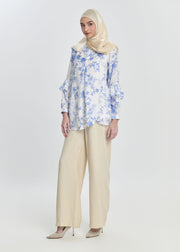
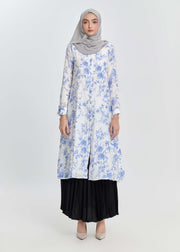
Layered outfits for versatility
-
Neutral palettes combined with soft statement details
-
Clean cuts that prioritize comfort and elegance
This evolution shows that modesty and style are not opposites. Instead, they coexist in a way that empowers women to feel confident without compromising their beliefs.
Cultural Influence on the Meaning of Islamic Fashion
The meaning of Islamic fashion is also shaped by regional cultures. From Middle Eastern abayas to Southeast Asian baju kurung and Turkish-inspired ensembles, Islamic fashion reflects local heritage while adhering to shared principles of modesty.
These cultural variations demonstrate that Islamic fashion is not monolithic. Rather, it is a global expression enriched by diverse histories, climates, and aesthetics. This diversity contributes to the richness and adaptability of Islamic fashion in the modern era.

Cultural Influence on the Meaning of Islamic Fashion
Islamic Fashion as Self-Expression, Not Limitation
A common misconception is that Islamic fashion limits creativity. In reality, the meaning of Islamic fashion encourages thoughtful self-expression. By focusing on form, fabric, and layering instead of exposure, designers and wearers explore alternative ways to express individuality.
Color coordination, texture selection, and silhouette play a crucial role in this expression. Many Muslim women use fashion to communicate professionalism, femininity, or artistic taste - while still respecting modest guidelines.
The Meaning of Islamic Fashion in Today’s Fashion Industry
As mainstream fashion increasingly embraces inclusivity, the meaning of Islamic fashion has gained global recognition. Major fashion weeks, luxury brands, and independent designers now acknowledge modest fashion as a legitimate and influential segment of the industry.
This visibility helps challenge stereotypes and reframe Islamic fashion as:
-
Confident rather than conservative
-
Elegant rather than outdated
-
Intentional rather than restrictive
Islamic fashion today represents a conscious lifestyle choice aligned with ethical consumption, mindfulness, and personal values.
Why the Meaning of Islamic Fashion Still Matters Today
In a fast-paced, trend-driven world, the meaning of Islamic fashion offers a refreshing perspective. It prioritizes purpose over excess, values over validation, and substance over surface appearance. For many women, this approach creates a deeper connection between faith and daily life.
Islamic fashion is not about following rules blindly - it is about choosing alignment between inner beliefs and outward presentation.
Conclusion: Embracing the Meaning of Islamic Fashion with Minnaba
Understanding the meaning of Islamic fashion allows Muslim women to approach style with clarity, confidence, and intention. It is a celebration of modesty, identity, and modern elegance - proving that faith and fashion can coexist beautifully.
If you are seeking thoughtfully designed modest wear that reflects these values, explore the curated collections at Minnaba - where Islamic fashion is redefined through timeless design, refined quality, and deep respect for modest living.