
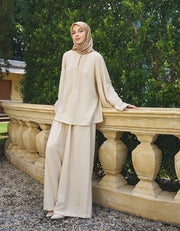
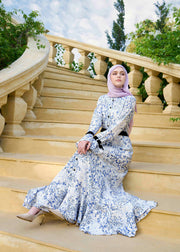

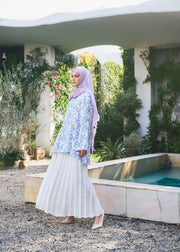
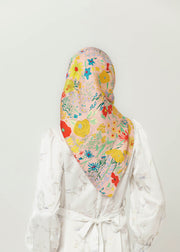


The Growth of Sustainable Islamic Fashion in the Global Modest Market
The global modest fashion industry has experienced remarkable growth over the past decade, driven by increasing demand from Muslim consumers and rising awareness of ethical consumption. Within this expansion, sustainable Islamic fashion has emerged as one of the most influential and future-oriented movements, reshaping how modest clothing is designed, produced, and consumed worldwide.
Understanding Sustainable Islamic Fashion
Sustainable Islamic fashion refers to modest clothing that adheres to Islamic principles while minimizing environmental impact and promoting ethical production. This includes responsible sourcing of materials, fair labor practices, reduced waste, and designs that encourage long-term use rather than short-lived trends.
Unlike fast fashion, sustainable Islamic fashion emphasizes intentionality - choosing garments that reflect values of modesty, responsibility, and balance. These principles are deeply rooted in Islamic teachings, making sustainability a natural extension of faith-based fashion.

Understanding Sustainable Islamic Fashion
Why the Global Modest Market Is Embracing Sustainability
As the modest fashion market expands across regions such as the Middle East, Southeast Asia, Europe, and North America, consumers are becoming more selective about the brands they support. Environmental concerns, social responsibility, and transparency have become decisive purchasing factors.
Muslim consumers, in particular, are increasingly aware that sustainability aligns with the Islamic concept of stewardship (khalifah). This has accelerated demand for sustainable Islamic clothing that respects both people and the planet while maintaining elegance and modesty.
Key Drivers Behind the Growth of Sustainable Islamic Fashion
Rising Ethical Awareness Among Consumers
Today’s modest fashion consumers are well-informed and value-driven. They actively seek brands that reflect ethical standards, from fair wages to environmentally responsible materials. This shift in mindset has pushed many Islamic fashion brands to adopt sustainable practices to remain competitive.
Innovation in Eco-Friendly Materials
The availability of sustainable fabrics has played a critical role in the growth of sustainable Islamic fashion. Materials such as organic cotton, linen, bamboo, and recycled fibers are increasingly used in abayas, dresses, hijabs, and layering pieces.
These fabrics offer comfort, breathability, and durability - qualities essential for modest wear - while significantly reducing environmental impact compared to conventional textiles.
Digital Influence and Global Reach
Social media and e-commerce have amplified the global reach of sustainable Islamic fashion brands. Through digital platforms, consumers can easily discover ethical brands, learn about sustainable practices, and make informed purchasing decisions regardless of geographic location.
This accessibility has allowed niche sustainable brands to scale internationally and contribute to the overall growth of the modest fashion market.
How Islamic Fashion Brands Are Adapting
To meet rising demand, many brands are rethinking traditional business models. Limited production runs, made-to-order systems, and seasonless collections are becoming more common. These approaches reduce overproduction and encourage mindful consumption.
Additionally, brands are investing in transparency by sharing information about sourcing, production processes, and environmental impact. This openness builds trust and reinforces the credibility of sustainable Islamic fashion in the global market.

How Islamic Fashion Brands Are Adapting
The Economic Impact on the Modest Fashion Industry
The growth of sustainable Islamic fashion is not only ethical but also economically significant. As sustainability becomes a core differentiator, brands that prioritize responsible practices gain stronger customer loyalty and long-term brand equity.
Global fashion reports consistently highlight modest fashion as a high-growth segment. Sustainability further enhances this growth by appealing to younger, environmentally conscious consumers who view ethical fashion as a long-term investment rather than a disposable trend.
Challenges and Opportunities Ahead
Despite its rapid growth, sustainable Islamic fashion faces challenges, including higher production costs, limited access to sustainable materials, and the need for consumer education. However, these challenges also present opportunities for innovation, collaboration, and technological advancement.
As more brands commit to sustainability, economies of scale and improved supply chains will make ethical modest fashion more accessible and affordable worldwide.
Conclusion: A Lasting Shift in the Global Modest Market
The rise of sustainable Islamic fashion marks a transformative shift in the global modest fashion industry. Rooted in Islamic values and driven by modern sustainability demands, this movement is redefining how modest clothing is created and consumed.
As consumers continue to prioritize ethics, quality, and environmental responsibility, sustainable practices will become the standard rather than the exception in Islamic fashion.
For those seeking refined modest wear that reflects both style and sustainability, explore thoughtfully crafted collections at Minnaba - where modern design meets conscious fashion.