




Sustainable Modest Fashion: How Islamic Clothing Brands Are Going Green
In recent years, sustainable modest fashion has become a growing movement within the global Islamic fashion industry. As Muslim consumers become more conscious of environmental impact, ethical production, and long-term value, Islamic clothing brands are increasingly adopting sustainable practices without compromising modesty or style. This shift reflects not only modern consumer demand but also deeply rooted Islamic values of responsibility, balance, and respect for the Earth.
What Is Sustainable Modest Fashion?
Sustainable modest fashion refers to modest clothing that is designed, produced, and distributed with minimal environmental impact and strong ethical standards. This includes the use of eco-friendly materials, fair labor practices, reduced waste, and long-lasting designs.
In Islamic fashion, sustainability goes beyond trends. Modesty encourages thoughtful consumption - choosing quality over excess and garments that can be worn across seasons. As a result, sustainable modest fashion naturally aligns with both faith-based principles and modern sustainability goals.
Why Sustainability Matters in Islamic Clothing
Islam emphasizes stewardship of the Earth (khalifah), discouraging wastefulness and exploitation. These principles translate seamlessly into sustainable fashion practices. When Islamic clothing brands choose responsible sourcing and ethical production, they are reinforcing values already present in the faith.
Moreover, the fast fashion model - characterized by low prices, rapid trends, and disposable clothing - often conflicts with modest fashion’s emphasis on dignity, longevity, and intentional dressing. This has encouraged many brands to rethink how Islamic clothing is made and consumed.

Why Sustainability Matters in Islamic Clothing
How Islamic Clothing Brands Are Going Green
1. Using Sustainable and Natural Fabrics
One of the most visible changes in sustainable modest fashion is the shift toward eco-friendly fabrics. Brands are increasingly using materials such as organic cotton, linen, bamboo, TENCEL™, and recycled fibers. These fabrics require less water, fewer chemicals, and are often biodegradable.
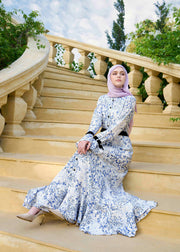
Natural fabrics also offer practical benefits for modest wear, including breathability, comfort, and durability - key factors for garments like abayas, maxi dresses, and layered outfits.
2. Ethical and Transparent Production
Islamic fashion brands committed to sustainability often prioritize ethical manufacturing. This includes fair wages, safe working conditions, and transparency across the supply chain.
By working closely with trusted manufacturers or producing in limited batches, brands can maintain quality control while reducing overproduction. Ethical labor practices not only protect workers but also build trust with conscious consumers seeking sustainable modest clothing.
3. Reducing Waste Through Timeless Design
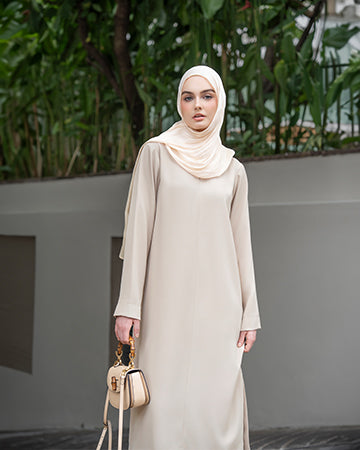
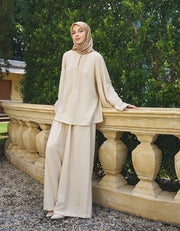
Rather than chasing short-lived trends, many Islamic clothing brands focus on timeless silhouettes and neutral color palettes. Classic cuts, versatile layers, and seasonless designs allow garments to remain relevant year after year.
This approach reduces clothing waste and encourages customers to build curated wardrobes instead of constantly replacing items. Timeless design is a cornerstone of sustainable modest fashion and a defining feature of responsible Islamic wear.
4. Limited Collections and Slow Fashion
The rise of slow fashion within Islamic clothing emphasizes quality over quantity. Brands are releasing smaller, thoughtfully designed collections instead of mass-producing items that may go unsold.
Limited production not only reduces environmental strain but also enhances the exclusivity and value of each piece. For modest fashion consumers, this supports more mindful purchasing habits aligned with sustainability and faith-based values.

How Islamic Clothing Brands Are Going Green
The Role of Consumers in Sustainable Modest Fashion
While brands play a crucial role, consumers are equally important in driving sustainability. Choosing well-made garments, supporting ethical brands, and caring properly for clothing all contribute to a more sustainable fashion ecosystem.
Muslim consumers are increasingly aware that purchasing decisions are a form of responsibility. Investing in sustainable modest fashion supports brands that respect both people and the planet, while encouraging industry-wide change.
The Future of Sustainable Modest Fashion
As awareness grows, sustainability is no longer a niche concept within Islamic fashion - it is becoming a standard expectation. Advances in eco-friendly textiles, digital transparency, and conscious design will continue to shape the future of modest wear.
Islamic clothing brands that embrace sustainability are not only responding to global environmental concerns but also reinforcing the ethical foundations of modest fashion itself. This makes sustainable modest fashion a natural evolution rather than a passing trend.

The Future of Sustainable Modest Fashion
Final Thoughts
Sustainable modest fashion represents the intersection of faith, ethics, and modern design. By choosing eco-friendly materials, ethical production, and timeless styles, Islamic clothing brands are redefining what responsible fashion looks like.
For modest dressers seeking clothing that reflects both personal values and environmental awareness, exploring sustainable options is a meaningful step forward.
Discover thoughtfully designed, ethically made modest wear by visiting Minnaba and explore how sustainability and modest fashion can go hand in hand.