

Common Styling Mistakes in Islamic Fashion
Islamic fashion is built on principles of modesty, balance, and dignity, while still allowing Muslim women to express personal style. However, as modest fashion continues to evolve and blend with modern trends, many women unintentionally make styling choices that conflict with these core values or reduce the elegance of their outfits. Understanding common styling mistakes in Islamic fashion can help you refine your wardrobe and achieve a polished, modest look that aligns with Islamic guidelines.
Overlooking Proper Fit in Modest Clothing
One of the most common styling mistakes in Islamic fashion is choosing clothing that does not fit properly. Modesty does not mean oversized or shapeless, but it also does not mean tight-fitting garments that reveal body contours.
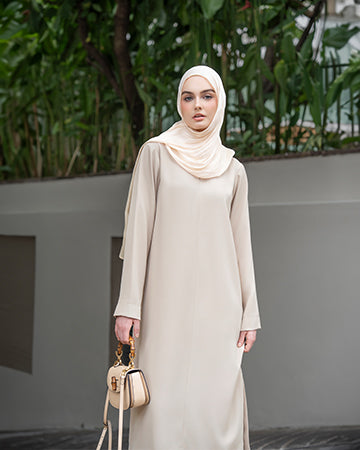
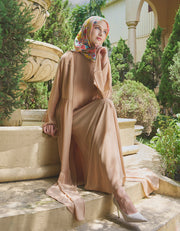
Wearing clothes that are too tight can compromise modesty, while excessively loose clothing may appear untidy or unbalanced. The ideal approach is to choose garments with a relaxed yet structured fit, such as tailored abayas, flowy maxi dresses, or straight-cut tunics that skim the body without clinging.
Layering Without Balance
Layering is a key element in Islamic fashion, especially for creating coverage while staying stylish. However, improper layering can easily overwhelm an outfit. Wearing too many heavy layers or combining fabrics with drastically different weights can make the look feel bulky and uncomfortable.
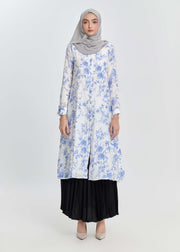
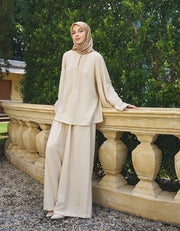
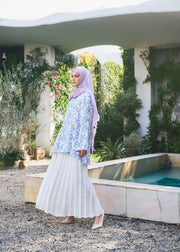
To avoid this mistake, focus on balance. Pair lightweight inner layers with structured outer pieces, such as a long vest over a tunic or a kimono-style abaya over a simple dress. Neutral base layers also help create a cohesive appearance.

Layering Without Balance
Ignoring Fabric Choice
Fabric plays a crucial role in modest fashion, yet it is often overlooked. Choosing sheer, clingy, or low-quality fabrics can unintentionally expose the body or reduce overall comfort, especially in warmer climates.
Breathable and opaque materials such as cotton, crepe, linen blends, and chiffon-lined fabrics are better suited for Islamic clothing. Selecting the right fabric ensures that outfits remain modest, elegant, and practical for daily wear.
Mismatching Hijab Styles With Outfits
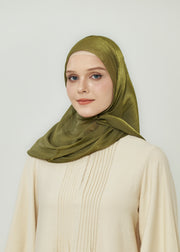
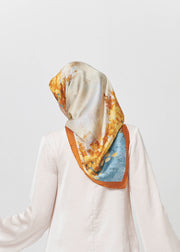
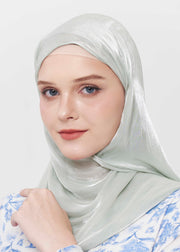
Another frequent styling mistake in Islamic fashion is failing to coordinate hijabs with the rest of the outfit. A hijab that clashes in color, texture, or style can disrupt the harmony of an otherwise well-planned look.
For example, pairing a formal outfit with a casual cotton hijab or wearing overly embellished scarves with simple daily wear can feel inconsistent. Choosing hijabs that complement the outfit’s color palette and occasion helps maintain a refined and intentional appearance.

Mismatching Hijab Styles With Outfits
Overusing Bold Colors and Prints
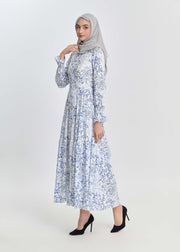
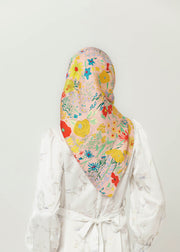
Bold colors and prints can add personality to Islamic fashion, but overusing them is a common pitfall. Mixing multiple statement colors or prints in one outfit can create visual clutter and detract from the elegance of modest wear.
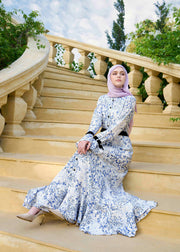
A more balanced approach is to anchor bold elements with neutral tones. If your abaya or dress features strong patterns, pair it with a plain hijab and minimal accessories. This keeps the outfit stylish without overwhelming the eye.
Neglecting Proportions and Silhouette
Ignoring body proportions is another styling mistake that affects modest fashion. Wearing long tops with long skirts or wide pants without structure can make the silhouette appear heavy or unbalanced.
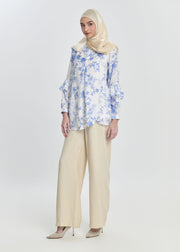
Understanding proportions helps create flattering modest outfits. For instance, pairing a long tunic with straight-leg pants or balancing wide trousers with a structured top can enhance both comfort and style while maintaining modesty.
Overaccessorizing Modest Outfits
Accessories can elevate Islamic fashion, but excessive use can contradict the simplicity encouraged in modest dressing. Large statement jewelry, heavy belts, and overly decorative handbags can distract from the outfit and appear impractical.
Minimal and intentional accessories work best. Simple jewelry, clean-lined bags, and subtle details add sophistication without overpowering the overall look.

Overaccessorizing Modest Outfits
Following Trends Without Adaptation
Modern fashion trends influence Islamic fashion, but blindly following trends without adapting them to modest guidelines is a common mistake. Not every trend aligns with Islamic values, such as cropped silhouettes, body-hugging styles, or excessive cut-outs.
Instead, trends should be interpreted thoughtfully. Look for modest alternatives—longer lengths, looser cuts, and layering techniques—that allow you to stay fashionable while respecting Islamic principles.
How to Avoid Styling Mistakes in Islamic Fashion
Avoiding these common mistakes starts with understanding the foundations of Islamic fashion: modesty, comfort, and balance. Investing in versatile, high-quality pieces, choosing appropriate fabrics, and paying attention to fit and proportion can significantly improve your wardrobe.
Building a cohesive modest wardrobe also makes daily styling easier and more intentional, reducing the likelihood of mismatched or impractical outfits.
Elevating Your Modest Style With Minnaba
Refining your Islamic fashion style does not require sacrificing elegance or individuality. By avoiding common styling mistakes and choosing thoughtfully designed modest pieces, you can create outfits that feel confident, comfortable, and aligned with your values.
For timeless, well-crafted Islamic fashion that blends modesty with modern aesthetics, explore the curated collections from Minnaba, where each design is created to support elegant and confident modest dressing.