

The Color Green in Islamic Fashion: Faith, Identity, and 2026 Trends
Green has long been one of the most meaningful and powerful colors in Islamic culture. In 2026, the color continues to shape modest fashion in new and inspiring ways-from hijabs and abayas to contemporary modest silhouettes. For Muslim women around the world, green represents far more than a fashion choice. It is a symbol deeply tied to faith, cultural identity, and spiritual beauty.
Understanding the meaning behind the color green helps explain why it is becoming one of the most influential shades in Islamic fashion trends for 2026. This article explores its historical roots, spiritual significance, cultural relevance, and the emerging green-toned trends shaping the modest fashion industry today.
The Spiritual Meaning of Green in Islam
In Islamic tradition, green carries profound spiritual symbolism. It is often associated with:
-
Paradise (Jannah)
-
Renewal, growth, and life
-
Balance and tranquility
-
Divine blessing and peace
The Qur’an describes Paradise as lush, flourishing, and filled with greenery-making green the color of spiritual hope and eternal beauty. Because of these associations, green has been used for centuries in Islamic architecture, calligraphy, and ceremonial garments. Many scholars also note that green was a color appreciated by Prophet Muhammad (peace be upon him), making it especially meaningful across Muslim communities.
For many Muslim women, wearing green is a subtle way of expressing a connection to faith, purity, and inner calm.

The Spiritual Meaning of Green in Islam
Green as a Cultural Identity in Islamic Fashion
Beyond spiritual meaning, green also represents cultural identity. Across the Middle East, North Africa, and Southeast Asia, green garments have long been worn during religious events, weddings, and significant celebrations. It is considered a color of honor, joy, and cultural pride.
In modest fashion, green functions as a powerful visual code that communicates:
-
Respect for cultural traditions
-
Harmony with Islamic values
-
Modern Muslim identity
-
Sophistication and elegance
Whether in a green hijab, a deep emerald abaya, or nature-inspired prints, the color instantly creates a visual bridge between faith and fashion.
Why Green Works Perfectly in Modest Fashion
Green is one of the most flexible and flattering colors in clothing design. It suits a wide range of skin tones, can be styled for both everyday wear and formal events, and naturally enhances the soft, flowy silhouettes often found in Islamic fashion.
Some of the reasons green stands out in modest wear include:
1. Timeless and universally flattering
From light sage to deep emerald, green offers shades that complement every complexion beautifully.
2. Versatile for all seasons
Cool mint fits spring, soft olive suits autumn, and rich emerald enhances winter outfits.
3. Elegant without being bold
Green allows women to look polished and elevated while maintaining a gentle, modest aesthetic.
4. Perfect for layered looks
Abayas, cardigans, long vests, and draped hijabs in green naturally blend into sophisticated layered outfits.
These qualities make green an ideal choice for women who want to express confidence, modesty, and spirituality through their wardrobe.

Why Green Works Perfectly in Modest Fashion
Green in Islamic Fashion Trends to Watch in 2026
As the fashion industry moves toward sustainability and cultural storytelling, green is becoming a defining color for modest fashion in 2026. Here are the key trends taking shape:
1. Emerald Green Abayas
Rich emerald tones are predicted to dominate festive and formal wear. These abayas bring a luxurious, regal feel-especially when styled with metallic accessories or delicate embroidery.
2. Soft Sage and Pistachio Hijabs
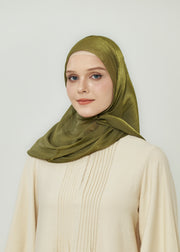
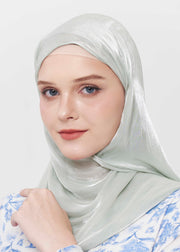
Light green hijabs are gaining popularity among younger Muslim women. These refreshing shades pair well with beige, white, and taupe, making them ideal for everyday modest styling.
3. Green Sustainability Trend
The shift toward eco-friendly materials makes green even more symbolic. Organic cotton, bamboo fibers, and natural dyes are rising in demand. Sustainability aligns perfectly with Islamic values of balance and stewardship of the earth.
4. Olive Green Streetwear Modesty
Olive, khaki, and moss greens are trending in modest streetwear, appearing in oversized jackets, loose trousers, and longline vests. These tones create grounded, modern looks.
5. Green Floral Prints
Botanical patterns-especially soft green floral prints-are emerging in maxi dresses and flowy tops. These designs connect nature, femininity, and modest elegance.
How to Style Green in Islamic Fashion
Green can be styled to match both minimalistic and expressive tastes. Here are easy ways to incorporate it into modest outfits:
-
Pair emerald with gold for evening elegance.
-
Use sage green as a gentle neutral with cream or beige.
-
Wear olive with black for a modern urban look.
-
Choose a green hijab to brighten a monochrome outfit.
-
Layer multiple green shades for a trendy yet modest 2026 look.
Green encourages creativity while maintaining a respectful and graceful aesthetic.

How to Style Green in Islamic Fashion
Why Green Will Continue to Influence Islamic Fashion
Green’s symbolism - faith, balance, and spiritual renewal - ensures its timeless presence in Islamic fashion. As Muslim women continue to embrace clothing that reflects identity and inner values, the color green stands out as a meaningful, elegant, and versatile choice. Its connection to nature, harmony, and Paradise makes it especially powerful in modest wear, giving every outfit emotional depth and cultural richness.
In 2026 and beyond, green will remain one of the most inspiring colors in Muslim fashion - appearing in abayas, hijabs, dresses, layering pieces, and modern silhouettes. If you’re looking for beautifully designed green modest outfits that reflect both elegance and Islamic identity, you can explore the curated collections at Minnaba, where style, modesty, and spiritual meaning come together naturally.