

The Meaning of Green in Islamic Fashion: Symbolism & Trends for 2026
Green has always been one of the most meaningful and spiritually rich colors in Islam. In 2026, as the world of modest fashion continues to evolve, the color green is experiencing a remarkable rise-appearing in hijabs, abayas, jilbabs, kaftans, and modern modest silhouettes. But green is more than a trend. It carries layers of symbolism deeply rooted in Islamic history, culture, and identity. Understanding the meaning of green in Islamic fashion helps modern Muslim women make style choices that reflect both elegance and spiritual significance.
This article explores the cultural meaning of green in Islam, why the color is central to many Muslim fashion traditions, and how its symbolism influences the modest fashion trends expected in 2026.
The Cultural and Spiritual Meaning of Green in Islam
Green is widely recognized as the most symbolic color in Islam. Throughout Islamic history, green has represented peace, life, renewal, and paradise. Many scholars associate green with Jannah (Heaven), as the Qur’an mentions lush gardens, greenery, and flourishing landscapes when describing the beauty of Paradise.
Because of these associations, green quickly became a color of hope, comfort, and divine blessing. It is also known as a color favored by Prophet Muhammad (peace be upon him), making it a beloved choice for decorative arts, architecture, textiles, and clothing across centuries.
In Islamic culture, green symbolizes:
-
Spiritual purity
-
New beginnings and growth
-
Balance, harmony, and tranquility
-
Respect and cultural pride
These meanings naturally translate into Muslim fashion, where colors often carry deeper significance than aesthetics alone.

The Cultural and Spiritual Meaning of Green in Islam
Why Green Holds a Special Place in Islamic Fashion
Green has always appeared in traditional Muslim clothing, especially in regions like the Middle East, North Africa, and Southeast Asia. In many cultures, green garments are worn during special religious events, celebrations, and significant spiritual moments.
In modest fashion, green offers a unique combination of:
1. Timeless elegance
Green tones-especially olive, emerald, sage, and moss-are universally flattering and elegant on all skin tones.
2. Cultural depth
When a Muslim woman wears green, she often expresses a connection to her faith and a sense of cultural identity.
3. Emotional calmness
Green is associated with peace and grounding energy, making it a soothing choice for everyday wear.
4. Versatility in modest outfits
From flowy abayas to structured vests, green adapts beautifully to all modest silhouettes.
Because of its rich symbolism and visual appeal, green continues to be a meaningful choice for Muslim women who want their modest wardrobe to reflect both beauty and purpose.
Green Islamic Fashion Trends Expected in 2026
As global interest in sustainable fashion grows, green is becoming even more relevant-both symbolically and aesthetically. Here are the top trends shaping green Islamic fashion in 2026:
1. Emerald and Deep Green Abayas
Dark green abayas are forecast to be one of the most popular styles in 2026. These shades bring a royal, luxurious feeling, perfect for evening wear, events, and Ramadan gatherings.
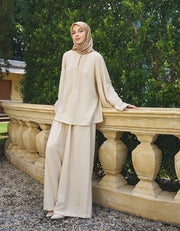
2. Sage and Olive Hijabs for Everyday Modesty
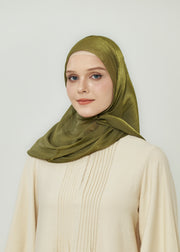
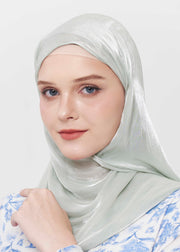
Soft greens-sage, pistachio, olive-are trending heavily among young Muslim women. These colors pair effortlessly with neutral wardrobes and minimalistic modest outfits.
3. Green Sustainability Movement in Islamic Wear
Green also aligns with the sustainability mindset. In 2026, many modest fashion brands are switching to:
-
Organic cotton
-
Linen and bamboo fabrics
-
Plant-based dyes
-
Recycled materials
This creates a “double meaning” for green: both spiritual and eco-friendly.
4. Green Layering Pieces: Vests, Cardigans, and Jilbabs
Layering remains essential in modest styling, and green is one of the most versatile colors for creating balanced outfits. Longline vests, soft cardigans, and airy jilbabs in green are expected to be must-have items.
5. Floral and Nature-Inspired Green Prints
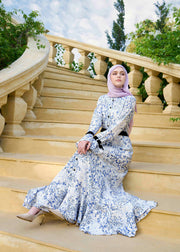
Because green is tied to nature, many designers are incorporating botanical patterns into hijabs, maxi dresses, and prayer outfits. These prints blend symbolism and contemporary aesthetics.

Why Green Holds a Special Place in Islamic Fashion
How to Style Green in Islamic Fashion
Wearing green can be subtle or bold, depending on your wardrobe preferences. Here are some easy styling tips:
-
Pair emerald green with gold accessories for a luxurious evening look.
-
Use sage green as a soft neutral with white, beige, or taupe outfits
-
Combine olive green with black for modern modest streetwear.
-
Choose a green hijab to add spiritual symbolism to an otherwise neutral outfit.
-
Try monochrome green layering for a fresh, elegant 2026 look.
Green works beautifully with modest fashion because it communicates sophistication while honoring Islamic heritage.
Why Green Will Continue to Shape Islamic Fashion Beyond 2026
The significance of green goes far beyond the trend cycle. Its spiritual meaning, cultural presence, and emotional impact ensure that green will always remain at the core of Islamic fashion. As modest fashion continues to merge tradition with modern aesthetics, green serves as a bridge-connecting heritage with contemporary style.
As more Muslim women embrace fashion that reflects both faith and identity, the color green will continue to symbolize pride, beauty, and connection to Islamic values.

Why Green Will Continue to Shape Islamic Fashion Beyond 2026
Discover Green Islamic Fashion at Minnaba
If you’re inspired to explore beautiful green hijabs, abayas, or modest outfits, you can find thoughtfully designed pieces at Minnaba - a brand that celebrates modesty, elegance, and modern Islamic identity through every collection.