

Silk Hijab Styles: Luxury and Modesty in Islamic Fashion
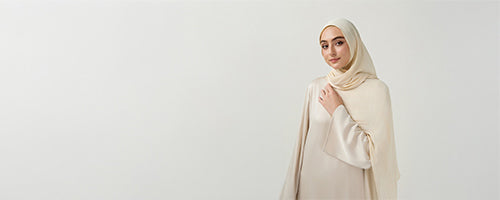
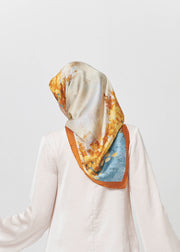
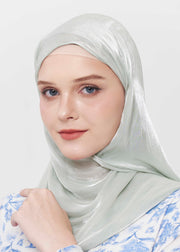
In the world of Islamic fashion, the silk hijab represents a perfect balance between elegance and modesty. Known for its smooth texture, natural sheen, and breathable qualities, silk has long been associated with luxury. When incorporated into hijab styles, this fabric elevates modest dressing while remaining aligned with Islamic values of grace, dignity, and refinement.
Today, silk hijabs are not only worn for special occasions but are increasingly embraced in everyday modest fashion, making them a staple for Muslim women who value both comfort and sophistication.
Why Silk Hijab Is Popular in Islamic Fashion
The growing popularity of the silk hijab in Islamic fashion is not accidental. Silk offers several qualities that make it ideal for modest wear:
-
Lightweight and breathable, suitable for warm climates
-
Naturally elegant, requiring minimal styling effort
-
Soft on the skin, reducing irritation during long wear
-
Timeless appeal, transcending seasonal trends
In Islamic fashion, where modesty does not mean compromising beauty, silk hijabs provide a refined solution that enhances overall outfit aesthetics.
Silk Hijab Styles for Different Occasions
Everyday Silk Hijab Styles
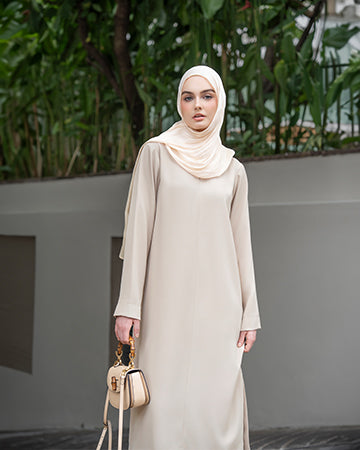
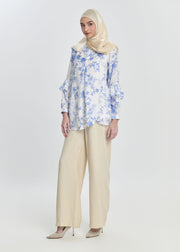
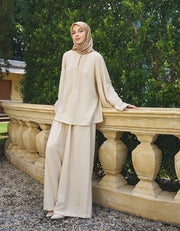
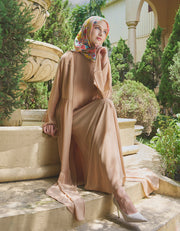
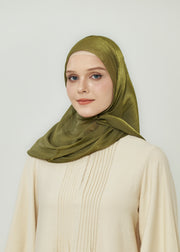
For daily wear, many women opt for silk-blend hijabs rather than pure silk. These styles retain the elegance of silk while offering better grip and durability. Neutral tones such as beige, taupe, soft grey, and olive are particularly popular, as they pair effortlessly with abayas, tunics, and modest dresses.
Simple draping techniques work best for everyday silk hijab styles, allowing the fabric to flow naturally without appearing excessive.
Formal and Evening Silk Hijab Styles
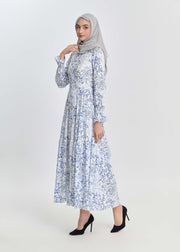
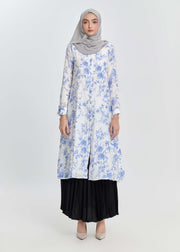
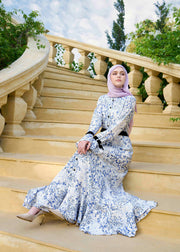
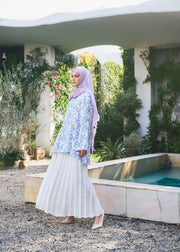
For weddings, Eid celebrations, or formal gatherings, pure silk hijabs are often the fabric of choice. Their subtle sheen enhances evening wear, especially when paired with embroidered abayas or structured modest gowns.
Popular formal silk hijab styles include:
-
Loose layered drapes
-
Side-pinned wraps
-
Minimal folds to highlight fabric texture
These styles emphasize luxury while maintaining modest coverage.

Silk Hijab Styles for Different Occasions
Choosing the Right Silk Hijab Fabric
Not all silk hijabs are the same. Understanding fabric types helps in selecting the right option for your needs:
-
Pure silk: Luxurious, smooth, and ideal for formal wear
-
Silk chiffon: Lightweight, slightly textured, suitable for daily use
-
Silk satin: Glossy finish, perfect for statement looks
-
Silk blends: Practical, less slippery, and easier to style
In Islamic fashion, fabric choice plays a crucial role in ensuring modesty, comfort, and appropriateness for different settings.
Styling Tips for Silk Hijab Modest Looks
Styling a silk hijab requires a thoughtful approach to maintain both elegance and modesty:
-
Use underscarves to prevent slipping
-
Avoid excessive accessories that compete with the fabric’s natural beauty
-
Opt for longer hijab lengths to ensure proper coverage
-
Choose matte outfits to balance the sheen of silk
When styled correctly, silk hijab styles can enhance facial features while keeping the overall look graceful and respectful.

Styling Tips for Silk Hijab Modest Looks
Silk Hijab and Modesty in Islamic Fashion
One common misconception is that luxurious fabrics like silk may conflict with modest dressing. In reality, silk hijabs fully align with Islamic fashion principles when worn appropriately.
Modesty in Islam focuses on:
-
Coverage
-
Simplicity
-
Avoiding extravagance for attention
A well-styled silk hijab supports these values by offering understated elegance rather than excess. Many scholars also emphasize intention and context, making silk hijabs widely accepted for women’s modest wear.
Seasonal Appeal of Silk Hijab Styles
Silk hijabs are particularly favored in spring and summer, thanks to their breathability and lightweight nature. However, silk blends can also be worn in cooler seasons when layered with thicker garments.
This versatility makes silk hijabs a long-term investment piece in any modest wardrobe.
The Future of Silk Hijab in Islamic Fashion
As Islamic fashion continues to evolve, silk hijab styles are becoming more innovative. Designers are experimenting with:
-
Sustainable silk production
-
Minimalist patterns
-
Earth-tone color palettes
-
Ethical sourcing aligned with Islamic values
These trends reflect a growing demand for fashion that is conscious, modest, and luxurious at the same time.

The Future of Silk Hijab in Islamic Fashion
Final Thoughts
The silk hijab is more than just a fashion accessory - it is a symbol of refined modesty within Islamic fashion. Whether worn casually or for special occasions, silk hijab styles allow Muslim women to express individuality, elegance, and faith harmoniously.
If you are looking for thoughtfully designed modest fashion pieces that complement silk hijab styles beautifully, explore the latest collections from Minnaba - where modern elegance meets Islamic values.