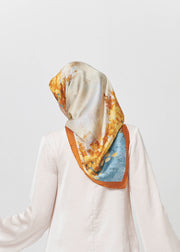
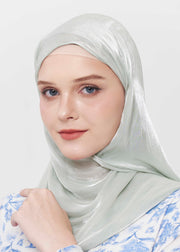


Islamic Fashion in 2026: Fabrics, Colors, and Silhouettes
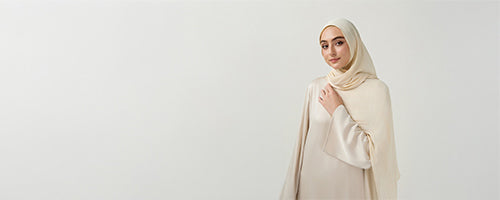
Islamic fashion in 2026 reflects a clear evolution in how modest clothing is designed, worn, and perceived. Rather than focusing solely on trends, the industry is moving toward thoughtful choices in fabrics, refined color palettes, and modern silhouettes that support both modesty and everyday practicality. For Muslim women, fashion in 2026 is less about excess and more about balance - between tradition and modern living.
This article explores how fabrics, colors, and silhouettes define Islamic fashion in 2026 and why these elements matter more than ever.
Fabrics Defining Islamic Fashion in 2026
Fabric selection sits at the core of Islamic fashion in 2026. Muslim women increasingly prioritize comfort, breathability, and durability, especially for garments worn daily. As a result, designers are moving away from heavy synthetic materials and embracing fabric compositions that support long wear and ease of movement.
Cotton blends remain a staple, valued for their softness and ability to adapt to different climates. Linen continues to gain popularity for warmer regions, offering airflow while maintaining structure when tailored correctly. Soft crepe and lightweight twill are also widely used, especially for abayas and long dresses that require fluid drape without clinging.
Another defining aspect of Islamic fashion in 2026 is texture. Subtle textures - such as crinkled finishes, matte surfaces, and fine pleating - add visual interest while preserving modest aesthetics. These fabric choices allow garments to feel elevated without relying on heavy embellishment or excessive layering.
Sustainable Fabric Choices in Islamic Fashion
Sustainability is no longer optional in Islamic fashion in 2026. Muslim consumers are increasingly aware of ethical production, long-term value, and fabric lifespan. This shift aligns naturally with Islamic principles of moderation and responsibility.
Brands are responding by offering garments made with lower-impact materials, improved stitching quality, and designs intended for repeated wear across seasons. Timeless fabrics that age well are replacing trend-driven textiles that quickly lose relevance. This approach supports a more intentional wardrobe, where each piece serves a purpose beyond a single season.

Sustainable Fabric Choices in Islamic Fashion
Color Palettes Shaping Islamic Fashion in 2026
The color direction of Islamic fashion in 2026 leans toward calm, grounded, and versatile tones. Neutral colors remain foundational - ivory, beige, sand, taupe, and soft grey dominate collections due to their adaptability and timeless appeal.
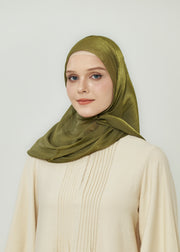
Alongside neutrals, muted earthy tones are gaining prominence. Shades such as olive green, mocha brown, muted navy, and dusty rose provide subtle depth without overwhelming the outfit. These colors reflect a desire for elegance and restraint rather than bold statement dressing.
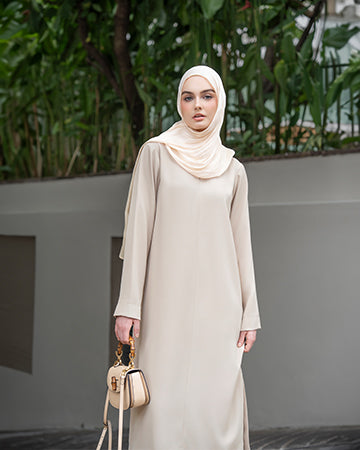
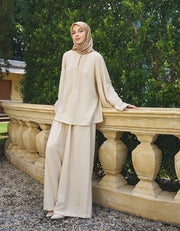
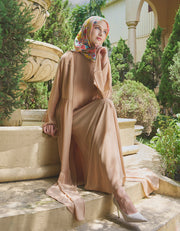
Monochrome styling is especially influential in Islamic fashion in 2026. Wearing a single color from head to toe - paired with different textures or layers - creates a refined, elongated silhouette that aligns perfectly with modest fashion values.
Silhouettes Redefining Islamic Fashion in 2026
Silhouettes in Islamic fashion in 2026 are evolving toward structure without restriction. Loose fits remain essential, but they are now enhanced through thoughtful tailoring and clean lines.
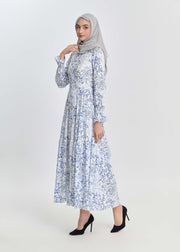
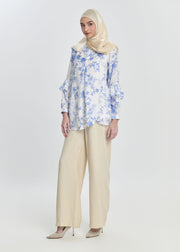
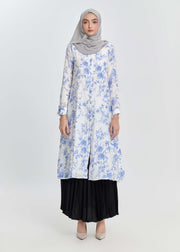
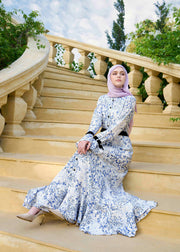
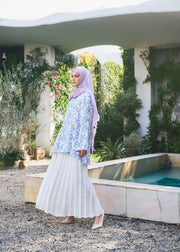
A-line dresses, straight-cut abayas, and gently flared skirts dominate contemporary collections. These silhouettes provide coverage and comfort while maintaining a polished appearance. Layering pieces - such as long vests, open abayas, and sleeveless outerwear - are increasingly popular, allowing Muslim women to adapt outfits for different occasions.
Importantly, shaping is achieved through fabric weight and construction rather than tight cuts. This approach respects modesty while offering a modern, flattering profile suitable for work, social events, and everyday wear.

Silhouettes Redefining Islamic Fashion in 2026
Minimal Design Details in Islamic Fashion
Minimalism plays a key role in Islamic fashion in 2026. Instead of ornate embroidery or heavy decoration, designers focus on subtle details that enhance wearability. Contrast stitching, fabric paneling, and understated buttons add interest without distracting from the overall look.
This minimalist design philosophy makes garments easier to style and mix with existing wardrobe pieces. For Muslim women seeking long-term value, this simplicity allows clothing to remain relevant beyond short-lived fashion cycles.

Minimal Design Details in Islamic Fashion
Embrace Islamic Fashion 2026 with Minnaba
If you are looking to build a modest wardrobe that reflects the essence of Islamic fashion in 2026, explore the curated collections from Minnaba. Designed with breathable fabrics, timeless colors, and refined silhouettes, Minnaba offers modest fashion that balances modern elegance with everyday practicality.
👉 Discover more at Minnaba and elevate your Islamic fashion wardrobe with pieces made to last.