
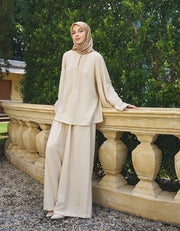


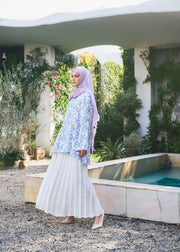
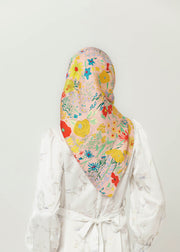
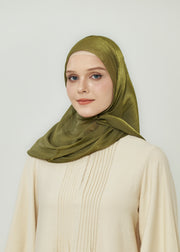



Fast Fashion vs Sustainable Fashion in Islamic Fashion: What Muslims Should Know in 2026
The global Islamic fashion industry is entering a pivotal phase in 2026, as Muslim consumers increasingly question the long-term impact of their clothing choices. At the center of this conversation is the contrast between fast fashion vs sustainable fashion - two models that shape not only how modest clothing is produced, but also how closely it aligns with Islamic values.
Understanding the difference between fast fashion and sustainable fashion in Islamic fashion is no longer optional. It is becoming essential for conscious Muslim consumers who care about modesty, ethics, and responsibility.
Understanding Fast Fashion in Islamic Fashion
Fast fashion refers to the rapid production of low-cost clothing designed to follow short-lived trends. In Islamic fashion, fast fashion often manifests as:
-
Quickly produced abayas, hijabs, and modest dresses
-
Low prices that encourage overconsumption
-
Trend-based modest wear that changes every season
While fast fashion has made Islamic clothing more accessible globally, it also raises critical concerns. The fast fashion model prioritizes speed and volume over durability, labor ethics, and environmental responsibility.
For Muslim consumers, this creates a dilemma: affordability versus accountability.
What Is Sustainable Fashion in Islamic Fashion?
Sustainable fashion in Islamic fashion focuses on long-term value rather than short-term trends. It includes:
-
High-quality fabrics designed to last
-
Timeless modest designs instead of seasonal hype
-
Ethical labor practices
-
Reduced environmental impact
Unlike fast fashion, sustainable Islamic fashion encourages intentional purchasing. Instead of buying many low-quality pieces, consumers invest in fewer garments that offer durability, comfort, and timeless modesty.
Why Sustainable Fashion Is Gaining Momentum in 2026
In 2026, the shift away from fast fashion is accelerating for several reasons:
1. Faith-Based Awareness
Muslim consumers are increasingly linking fashion choices with accountability before Allah, especially regarding waste and exploitation.
2. Environmental Responsibility
Fast fashion is one of the largest contributors to global pollution. Sustainable fashion offers eco-friendly alternatives that minimize harm to the Earth - an amanah entrusted to humanity.
3. Quality Over Quantity
Sustainable Islamic fashion focuses on craftsmanship, fabric quality, and versatile designs that remain relevant beyond one season.
This shift shows that sustainable fashion is no longer a niche - it is becoming a mainstream expectation in Islamic fashion.
Fast Fashion vs Sustainable Fashion: Which Is Better for Modest Wear?
When comparing fast fashion vs sustainable fashion in Islamic fashion, the answer depends on values, not just price.
Fast fashion may offer:
-
Lower upfront costs
-
Trend-driven designs
However, sustainable fashion provides:
-
Long-term durability
-
Ethical peace of mind
-
Better alignment with Islamic principles
In practice, a sustainably made abaya or modest dress often lasts years longer than a fast fashion alternative, making it more cost-effective over time.
How Islamic Fashion Brands Are Responding
Many Islamic fashion brands in 2026 are redefining their business models. Instead of mass production, they are focusing on:
-
Small-batch collections
-
Transparent sourcing
-
Sustainable fabrics such as organic cotton, linen, and responsibly produced viscose
These brands are proving that modest fashion can be stylish, ethical, and sustainable without compromising religious values.

How Islamic Fashion Brands Are Responding
What Muslim Consumers Should Consider in 2026
Before choosing between fast fashion and sustainable fashion, Muslim consumers should ask:
-
Was this garment produced ethically?
-
Will I wear it long-term or only once?
-
Does this purchase encourage waste or responsibility?
Making conscious decisions transforms fashion from a habit into an act of intention.

What Muslim Consumers Should Consider in 2026
Final Thoughts on Fast Fashion vs Sustainable Fashion in Islamic Fashion
The debate around fast fashion vs sustainable fashion is shaping the future of Islamic fashion in 2026. While fast fashion continues to dominate global markets, sustainable fashion is emerging as the more responsible, faith-aligned choice for Muslim consumers.
Islamic fashion has always been about more than appearance - it reflects values, ethics, and purpose. As the industry evolves, sustainable fashion is not just a trend; it is a return to mindful living, modest consumption, and accountability.
Choosing sustainable fashion today is an investment in both the dunya and the akhirah.