



Eco-Friendly Modest Clothing: Sustainable Choices for Muslim Women
As conversations around sustainability continue to influence global fashion trends, Muslim women are increasingly seeking wardrobe options that align with both modesty and environmental responsibility. Eco-friendly modest clothing is no longer a niche segment; it is becoming a significant movement that blends ethical values, sustainable materials, and timeless Islamic fashion aesthetics. This shift reflects a growing awareness that dressing modestly and sustainably can coexist harmoniously.
What Defines Eco-Friendly Modest Clothing?
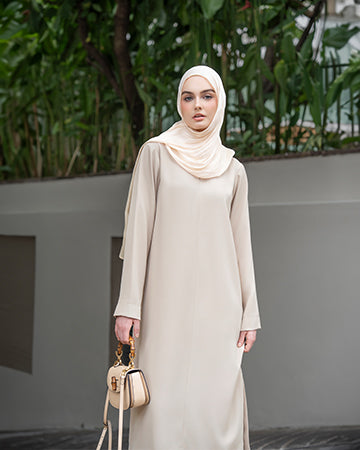
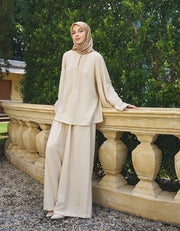
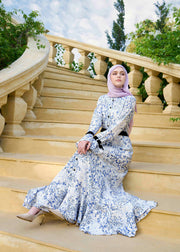
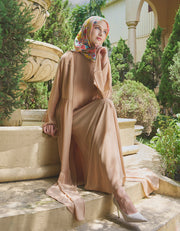
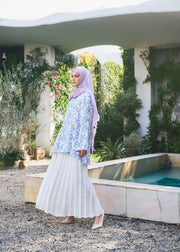
Eco-friendly modest clothing refers to garments designed with environmentally responsible materials, ethical production methods, and long-lasting durability. For Muslim women, these pieces respect the principles of modesty—offering full coverage, comfortable silhouettes, and versatile layering options—while minimizing environmental harm.
Key attributes include:
-
Fabrics sourced from organic, recycled, or low-impact materials
-
Transparent and ethical labor practices
-
Minimal waste during production
-
High-quality construction for longer wear
Consumers today want to know where their clothes come from and how they have been made. This transparency is at the core of sustainable fashion and directly influences purchasing decisions within the modest fashion community.

What Defines Eco-Friendly Modest Clothing?
Why Muslim Women Are Turning to Sustainable Fashion
There are several reasons why eco-conscious habits resonate strongly with Muslim consumers:
1. Alignment With Islamic Values
Islam teaches responsibility, compassion for the environment, and the prevention of waste. Choosing eco-friendly modest clothing is, for many, an expression of stewardship of the Earth. Sustainable fashion reflects principles such as moderation, ethical dealing, and dignity in trade.
2. Rising Awareness of Fast Fashion Impacts
Fast fashion has led to massive textile waste, pollution, and labor exploitation. As awareness increases, many Muslim women are intentionally shifting toward brands that prioritize sustainability, transparency, and fair trade practices.
3. Higher Quality and Longevity
Sustainable pieces are often better constructed, more durable, and created from breathable fabrics—ideal for modest wear that often requires layering and comfort throughout changing seasons.
Top Sustainable Fabrics for Modest Clothing
Choosing the right fabrics plays an essential role in creating an eco-friendly wardrobe. Below are some of the most popular sustainable fabrics suitable for abayas, hijabs, jilbabs, tunics, and layering essentials.
Organic Cotton
Produced without toxic chemicals, organic cotton offers breathability and comfort. It is widely used in modest tops, dresses, and underscarves.
Bamboo Fabric
Bamboo is renewable, fast-growing, and naturally antibacterial. Its silky-soft texture makes it perfect for hijabs and flowy modest dresses.
Tencel (Lyocell)
Created from sustainably harvested wood pulp, Tencel is lightweight, cooling, and ideal for abayas, kaftans, and wide-leg trousers.
Recycled Polyester
Made from recycled plastic bottles, this fabric reduces waste and offers durability. It is commonly used in modest sportswear and outer layers.
Linen
Linen requires minimal water and pesticides to grow, making it one of the most eco-friendly choices. Its natural texture suits minimalist modest outfits and summer abayas.

Top Sustainable Fabrics for Modest Clothing
How to Build a Sustainable Modest Wardrobe
Transitioning to a more sustainable lifestyle does not mean replacing your entire wardrobe. Instead, it involves intentional, long-term choices.
1. Invest in High-Quality Staples
Focus on timeless pieces that can be styled year-round, such as neutral abayas, long-sleeve tops, maxi skirts, and breathable hijabs. High-quality staples reduce waste and provide better value over time.
2. Choose Versatile Layering Pieces
Opt for cardigans, long vests, and lightweight outerwear that can be layered across seasons. This minimizes the need for excessive seasonal purchases.
3. Prioritize Sustainable Fabrics and Ethical Brands
Research brands that disclose sourcing practices and use sustainable materials. Many ethical modest wear labels now publish sustainability reports to help customers make informed choices.
4. Practice Mindful Wardrobe Rotation
Extend the life of your garments through proper care, repair, and repurposing. Additionally, donating or reselling items prevents landfill waste.
5. Reduce Impulse Buying
A sustainable wardrobe grows slowly. Be intentional: choose items that genuinely serve your lifestyle and reflect your values.
The Future of Eco-Friendly Modest Clothing
The demand for sustainable modest fashion is expected to grow significantly as Muslim consumers become more conscious of environmental and ethical issues. Designers are experimenting with innovative materials, zero-waste cutting techniques, and biodegradable packaging.
Technology also plays a role. New digital tools enable lower-waste production, made-to-order systems, and supply chain transparency—allowing shoppers to understand how their clothing impacts the planet.
Younger Muslim consumers, particularly Gen Z, are accelerating this shift by supporting sustainable brands and using social media to promote ethical fashion conversations. As awareness spreads, eco-friendly modest clothing is poised to become a mainstream standard rather than an alternative category.

The Future of Eco-Friendly Modest Clothing
Conclusion
Eco-friendly modest clothing represents a meaningful intersection between faith, fashion, and sustainability. By choosing garments made with ethical practices and sustainable materials, Muslim women can uphold their values while contributing positively to global environmental efforts. As the modest fashion industry continues to evolve, sustainability will remain a key driver of innovation and consumer preference.
For Muslim women seeking high-quality, stylish, and responsibly made modestwear, brands like Minnaba are leading the way with thoughtful designs and sustainable options that support a more conscious fashion future.