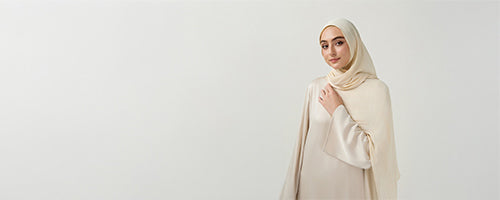
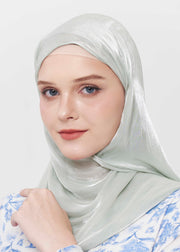


Sustainable Modest Wear Trends: What Muslim Consumers Prefer in 2026
As sustainability continues to reshape the global fashion landscape, Muslim consumers are becoming increasingly selective about the materials, production methods, and brand values behind their wardrobe choices. The demand for sustainable modest wear is accelerating rapidly, driven by the alignment between Islamic principles, ethical consumption, and long-term environmental responsibility. In 2026, modest fashion is not only defined by coverage and elegance but also by conscious, eco-friendly design.
This article explores the leading sustainable modest wear trends influencing purchasing decisions among Muslim consumers in 2026, highlighting key fabrics, design preferences, brand expectations, and lifestyle shifts that shape the movement.
Why Sustainability Matters to Muslim Fashion Consumers
For many Muslim shoppers, sustainability is not simply a trend; it reflects a value system that emphasizes ethical behavior, minimal waste, and respect for the environment. Islamic teachings encourage moderation, fairness in trade, and stewardship of natural resources. These principles resonate strongly with the goals of sustainable fashion.
Additionally, global awareness of climate change, textile pollution, and fast-fashion waste has reached new heights. Muslim consumers - especially Gen Z and young millennial women - seek clothing that aligns with both their modesty needs and their ethical values. As a result, sustainable modest wear has evolved from niche to mainstream.
Trend 1: Preference for Eco-Friendly and Ethical Fabrics
One of the strongest shifts in 2026 is the growing preference for sustainable fabrics that reduce environmental impact.
Organic Cotton
Organic cotton continues to dominate due to its comfort, breathability, and chemical-free cultivation.
Bamboo and Tencel
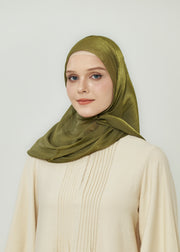
These fabrics are celebrated for their softness, cooling qualities, and low environmental footprint. Lightweight bamboo hijabs, Tencel abayas, and flowy modest dresses are especially popular.
Recycled Polyester
Modest activewear has embraced recycled polyester sourced from used plastic bottles. It offers durability while repurposing waste materials.
Linen and Hemp
These natural fibers appeal to women seeking structured modest silhouettes and minimalist aesthetics. Their durability and low-water cultivation make them top sustainable choices.
Material transparency is crucial. Muslim shoppers expect brands to clearly indicate fabric origins, environmental impact, and certification such as GOTS, OEKO-TEX, or Fair Trade.

Preference for Eco-Friendly and Ethical Fabrics
Trend 2: Minimalist and Timeless Modest Silhouettes
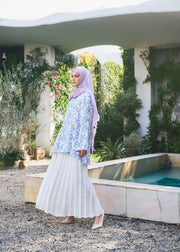
In contrast to fast-fashion cycles, Muslim consumers in 2026 prefer timeless silhouettes that can be worn across multiple seasons. This choice supports sustainability by reducing unnecessary consumption.
Key modest styles include:
-
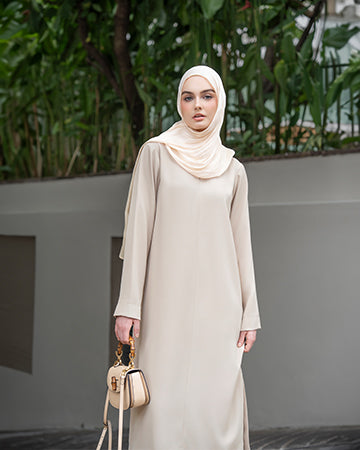
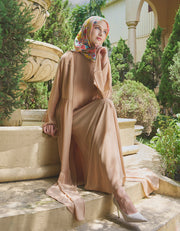
Clean A-line abayas
-
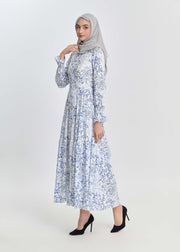
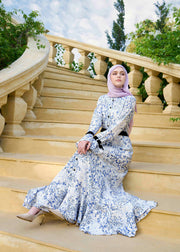
Long, flowing maxi dresses
-
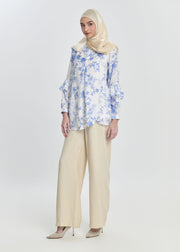
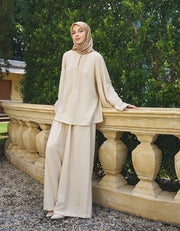
Structured tunics with wide-leg trousers
-
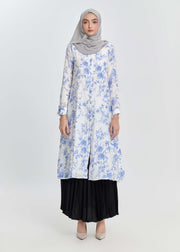
Neutral-tone layering pieces such as cardigans and lightweight jackets
-
Long vests for year-round styling
Simplicity and longevity drive demand. These pieces support capsule wardrobes - an approach increasingly adopted by modest fashion shoppers for its practicality and environmental benefits.

Minimalist and Timeless Modest Silhouettes
Trend 3: Multi-Season Layering and Versatility
Muslim women highly value versatile garments that serve multiple purposes, reducing the need for excessive buying. Layering remains central to modest wear, and sustainability further reinforces this preference.
Popular multi-season items include:
-
Breathable inner tops for pairing with dresses
-
Lightweight cardigans for summer and fall
-
Denim or linen abayas suitable for all climates
-
Hijabs in fabrics adaptable to both warm and cool weather
This focus on multipurpose styling encourages intentional, long-term wardrobe planning rather than spontaneous purchasing.
Trend 4: Ethical Production and Fair Labor Practices
A defining trend in sustainable modest wear for 2026 is the heightened expectation of ethical production. Muslim consumers increasingly evaluate brands based on:
-
Fair wages
-
Safe working conditions
-
Supply-chain transparency
-
Responsible sourcing of materials
-
Waste-reducing cutting techniques
Fashion labels that publicly disclose manufacturing details earn significantly more trust and loyalty from Muslim shoppers, many of whom view ethical trade as a moral obligation.
Trend 5: Modest Activewear Made Sustainably
Modest activewear is one of the fastest-growing categories, and sustainability has become integral to its development. Muslim women are demanding activewear that is:
-
Made from recycled or organic fabrics
-
Sweat-resistant and breathable
-
Durable enough for long-term use
-
Designed with modest coverage
Brands that incorporate sustainability into sports hijabs, long-sleeve performance tops, swimwear, and jogger sets are gaining strong traction in 2026.

Modest Activewear Made Sustainably
Trend 6: Digital Shopping and Low-Waste Production Models
Technology plays a major role in modern sustainable modest fashion. Brands are adopting:
-
On-demand manufacturing to reduce waste
-
3D sampling to minimize fabric usage
-
Digital try-on tools for better purchasing accuracy
-
Recyclable packaging
With the modest fashion market expanding globally, e-commerce efficiency is essential for both environmental and consumer satisfaction.
Trend 7: Capsule Wardrobes and Slow Fashion Mindsets
A significant cultural shift among Muslim consumers in 2026 is the embrace of slow fashion. Instead of buying frequently, women focus on:
-
Curated capsule wardrobes
-
Higher-quality garments
-
Neutral pieces compatible across outfits
-
Repairing and maintaining clothing
-
Supporting ethical brands over fast fashion retailers
This mindset change reduces textile waste and encourages long-lasting wardrobe planning rooted in modesty and sustainability.
Conclusion
The rise of sustainable modest wear in 2026 reflects a broader transformation in how Muslim consumers approach fashion - grounded in ethics, environmental awareness, and timeless style. From eco-friendly fabrics to versatile silhouettes and transparent production practices, sustainable choices have become essential to the modern modest wardrobe. As brands continue to innovate with greener materials and low-impact manufacturing, the future of modest fashion is poised to be cleaner, more ethical, and more aligned with the values held by Muslim women worldwide.