

Understanding Cultural Colour Meanings in Islamic Fashion Around the World
Colours speak a universal language, yet their meanings can vary across regions and traditions. In Islamic fashion, colours are more than style choices — they carry deep cultural, spiritual, and emotional symbolism. Whether it’s the black abayas of the Middle East, the pastel hijabs of Southeast Asia, or the bright kaftans of North Africa, each shade tells a story about identity, faith, and heritage.
In this article, we’ll explore cultural colour meanings in Islamic fashion and how these hues shape modest dressing across the Muslim world.
The Spiritual Foundation of Colour in Islamic Culture
Before exploring regional differences, it’s important to understand the spiritual roots of colour in Islam.
-
Green is one of the most sacred colours in Islam, symbolizing paradise, life, and renewal. It often appears in mosques, calligraphy, and modest clothing, representing peace and devotion.
-
White represents purity and modesty. It’s traditionally worn for religious occasions like Friday prayers or Hajj, symbolizing spiritual cleanliness.
-
Black embodies strength, dignity, and sophistication. It’s especially popular for abayas and jilbabs in the Middle East due to its association with elegance and modesty.
-
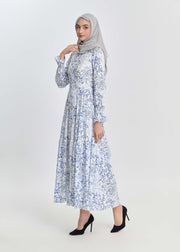
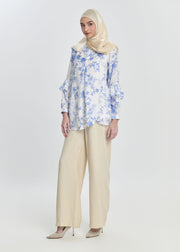
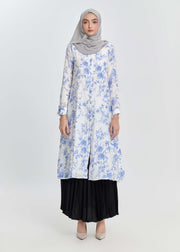
Blue, often seen in Islamic art and architecture, symbolizes protection, wisdom, and calmness.
-
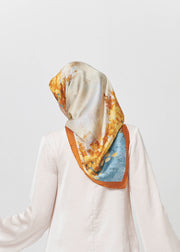
Gold signifies divine light, wealth, and prosperity, often used in festive or ceremonial modest wear.
These symbolic associations form the foundation for how Muslim cultures integrate colour into fashion today.
The Middle East: Classic Elegance and Sacred Shades
In the Middle East, Islamic fashion embraces a rich but balanced colour palette. The most iconic example is the black abaya, a timeless garment representing both modesty and prestige. Yet, women increasingly add colourful embroidery, gold trims, or pastel accents to personalize their look.
-
Black and gold combinations are seen as powerful and elegant, perfect for formal gatherings or Eid celebrations.
-
Emerald green and deep maroon tones are used to express luxury and cultural pride.
-
In Gulf countries like Saudi Arabia or the UAE, white and cream shades for men’s attire (like thobes) symbolize purity and refinement.
Overall, colour in Middle Eastern Islamic fashion balances tradition with subtle modern touches.
Southeast Asia: Harmony Through Soft Pastels and Florals
In Southeast Asia, modest wear often features softer hues and lighter fabrics, reflecting the region’s tropical climate and cultural harmony.
-
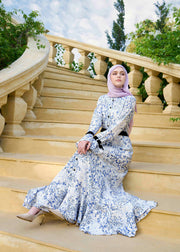
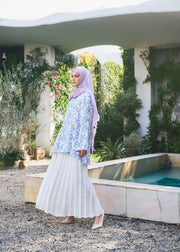
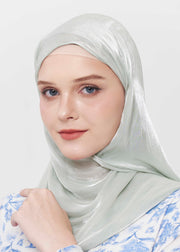
Soft pastels like lavender, blush pink, mint green, and sky blue dominate hijab and baju kurung collections in Malaysia and Indonesia.
-
These colours represent calmness, femininity, and friendliness — aligning with the region’s emphasis on community and grace.
-
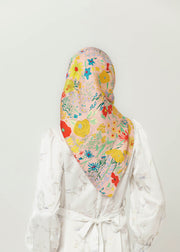
Floral prints and ombre tones are also culturally symbolic, celebrating nature’s beauty and divine creation.
During festive seasons such as Eid al-Fitr, families coordinate in matching pastel outfits, symbolizing unity and joy. The result is a vibrant yet modest fashion culture that reflects both faith and festivity.
South Asia: Vibrant Expression of Faith and Heritage
In South Asia — including Pakistan, India, and Bangladesh — colour takes on a lively and celebratory spirit. Islamic fashion here combines cultural diversity with deep-rooted symbolism.
-
Red represents vitality and happiness, often worn during weddings or festive gatherings.
-
Turquoise and royal blue symbolize protection and serenity, reflecting Islamic artistic traditions.
-
Gold embroidery or sequined embellishments express prosperity and joy while keeping modesty intact.
The region’s designers blend traditional craftsmanship with bold colour palettes, producing modest outfits that reflect both cultural pride and creative artistry.
North Africa: Earthy Tones and Royal Heritage
Across North Africa, from Morocco to Egypt, modest fashion showcases earthy and regal hues.
-
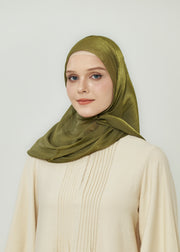
Terracotta, sand, and olive mirror the natural desert landscapes, connecting wearers to their environment.
-
Royal purple and deep blue have historical associations with royalty and wisdom.
-
Intricate gold threadwork on kaftans and hijabs reflects a mix of Islamic artistry and local craftsmanship.
The use of natural dyes in traditional Moroccan and Tunisian garments also reflects sustainability and a respect for nature — values aligned with Islamic teachings.
Western Muslim Communities: Blending Tradition with Modern Colour Trends
For Muslim communities in the West, modest fashion often merges cultural roots with global style.
-
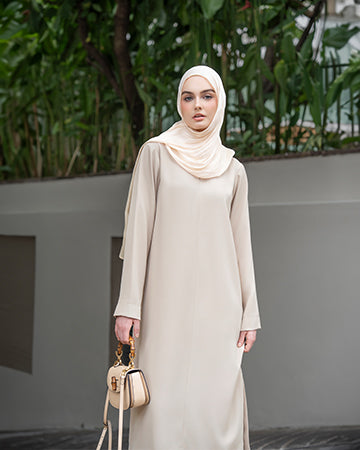
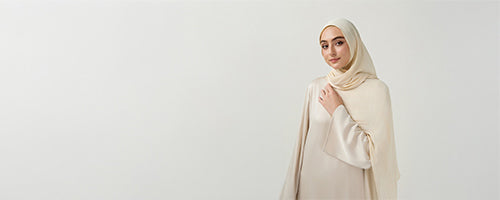
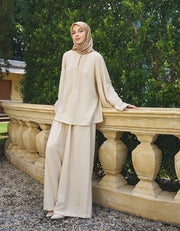
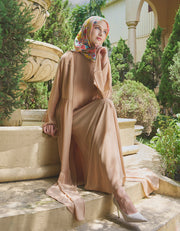
Many young Muslim women experiment with neutral palettes like beige, taupe, and soft grey, embracing minimalism while staying modest.
-
Muted tones reflect professionalism and urban chic, fitting perfectly into modern workwear.
-
During Ramadan and Eid, vibrant colours like burgundy, navy, and emerald reappear to celebrate faith and joy.
This blend of subtle modern aesthetics and Islamic values shows how colour continues to evolve as a form of modest expression worldwide.
Global Influence: Colour as a Unifying Element
Despite cultural variations, colour serves as a unifying element in Islamic fashion. Whether subtle or bold, these hues connect millions of Muslim women through shared values of modesty, beauty, and self-respect. Designers today draw inspiration from different regions, merging past and present to create colour palettes that are globally appealing yet spiritually meaningful.

Global Influence: Colour as a Unifying Element
Conclusion: Celebrating Diversity Through Colour
The world of cultural colour meanings in Islamic fashion is a vibrant mosaic of faith, culture, and creativity. Each region brings its own story — from Middle Eastern elegance to Southeast Asian pastels and South Asian vibrancy. Together, these colours embody the harmony between tradition and modernity that defines Islamic fashion today.
Whether you love the purity of white, the calm of blue, or the luxury of gold, every colour reflects a part of your identity and faith. To explore modest pieces inspired by these diverse colour traditions, visit Minnaba — your destination for elegant Islamic fashion that celebrates culture with style.