

The Traditional Costume in Islamic Fashion: A Complete Guide for 2026
The traditional costume in Islamic fashion remains one of the most meaningful cultural expressions in the Muslim world. As fashion evolves, these garments continue to blend modesty, heritage, and aesthetics, making them relevant across generations. In 2026, the interest in traditional Islamic attire is stronger than ever, as more women seek designs that honor their identity while embracing modern style. This guide explores the history, symbolism, and evolution of traditional costumes in Islamic fashion - and how they shape modest fashion trends today.
Understanding the Meaning Behind Traditional Islamic Clothing
The essence of the traditional costume in Islamic fashion is rooted in values of modesty, dignity, and cultural identity. Clothing in many Muslim communities reflects regional histories, religious teachings, and unique artistic influences. While interpretations of modest dress vary, the common thread is the intention to cover in a respectful, elegant manner.
From North Africa to Southeast Asia, traditional garments symbolize not only faith but also craftsmanship. Ancient weaving techniques, embroidered patterns, and textiles passed through generations represent a deep connection to heritage. This rich cultural foundation is what keeps traditional clothing relevant despite the constant change in the global fashion landscape.

Understanding the Meaning Behind Traditional Islamic Clothing
Historical Roots of Traditional Islamic Garments
The origins of Islamic fashion can be traced back to the early centuries of Islamic civilization. Climate, tribal customs, and cultural exchanges along trade routes all contributed to the development of regional clothing styles.
-
In the Arabian Peninsula, loose garments like the abaya and thobe were designed for desert temperatures and mobility.
-
In North Africa, kaftans and djellabas embodied craftsmanship with detailed embroidery and vibrant fabrics.
-
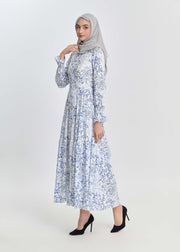
In South and Southeast Asia, garments evolved with local traditions, such as the baju kurung, jilbab, and long flowing dresses inspired by Persian and Indian tailoring.
Over time, these garments became visual markers of identity. Their designs reflect not only practicality but also spiritual and cultural meaning.
Key Traditional Pieces in Islamic Fashion
While Islamic fashion includes countless variations across regions, several key garments remain central to traditional attire.
1. Abaya
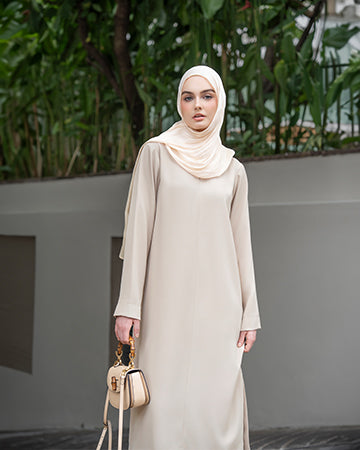
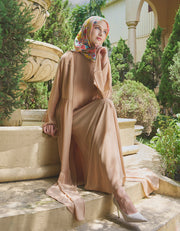
A long, flowing outer garment traditionally worn in the Middle East. Originally simple and monochrome, modern abayas now feature structure, subtle patterns, and luxurious fabrics - while still maintaining modest coverage.
2. Hijab
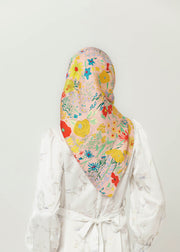
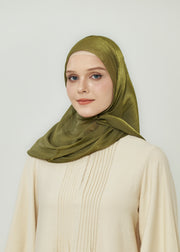
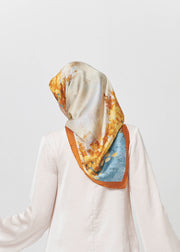
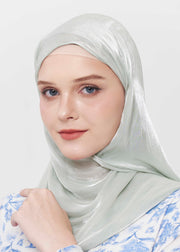
More than a head covering, the hijab represents modesty and personal expression. Traditional hijabs differ from country to country, using materials like chiffon, cotton, or silk depending on climate and culture.

Key Traditional Pieces in Islamic Fashion
3. Kaftan
A garment that blends comfort and elegance, often seen during celebrations. Traditional kaftans showcase artisanal handwork, ornate embroidery, and regal silhouettes.
4. Thobe / Jubba
A staple for men’s Islamic fashion. It remains one of the most recognized traditional garments in the Muslim world, evolving with modern tailoring and fabric innovations.
5. Jilbab and Khimar
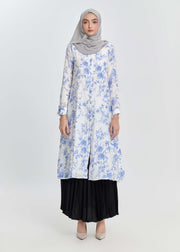
Longer and more structured forms of modest wear, traditionally used in many regions for added coverage and formality.
Each piece reflects the versatility of Islamic clothing - adapting over centuries while preserving cultural identity.
Modern Adaptations in 2026
In 2026, traditional Islamic garments are experiencing a new wave of reinvention. Designers worldwide are emphasizing:
-
Sustainable fabrics, such as bamboo, linen blends, and recycled fibers
-
Minimalist silhouettes inspired by high-end modest fashion
-
Cultural preservation, where classic patterns and motifs are reintroduced in contemporary designs
-
Versatile layering, allowing traditional pieces to be styled for daily wear or special occasions
This blend of heritage and innovation makes traditional Islamic fashion more accessible and appealing to younger generations.
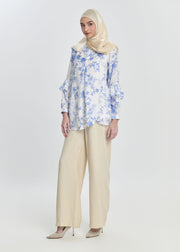
Modern Muslim women are especially drawn to pieces that balance modesty with personal style. Soft color palettes, structured cuts, and lightweight textiles give traditional costumes a fresh, timeless appeal. Meanwhile, digital fashion spaces like Instagram and TikTok amplify these looks globally, making traditional clothing a celebrated part of modest fashion identity.
Why Traditional Costumes Remain Essential in Islamic Fashion
Despite the rise of modern modestwear, traditional garments remain irreplaceable for several reasons:
Cultural Identity
Wearing traditional attire strengthens the connection to heritage, family history, and community values.
Religious Significance
Many garments embody the modest principles encouraged in Islamic teachings.
Artistic Heritage
Traditional clothing preserves artisanal skills that are disappearing in many regions.
Timeless Versatility
Whether for festivals, weddings, or everyday wear, traditional pieces offer elegant and meaningful styling options.
As fashion cycles evolve, traditional costumes continue to stand at the center of Islamic identity - adapting gracefully while preserving their originality.

Why Traditional Costumes Remain Essential in Islamic Fashion
The Future of Traditional Islamic Fashion
Looking ahead, designers are expected to focus on authenticity and cultural storytelling. Ethically sourced materials, handcrafted details, and region-specific inspirations are predicted to define Islamic fashion in 2026 and beyond.
Traditional costumes are not merely garments - they are symbols of history, resilience, and beauty. Their continued relevance ensures that Islamic fashion remains deeply connected to its cultural roots while evolving confidently into the future.
Explore Modern Interpretations of Traditional Islamic Wear
If you’re looking for modest, elegant designs inspired by traditional Islamic clothing, you can explore curated collections at Minnaba – a brand celebrated for blending heritage with modern modest fashion.