



The Evolution of Abaya Fashion: From Traditional to Trend-Forward
The evolution of abaya fashion tells a fascinating story of culture, faith, and creativity. For centuries, the abaya has been more than a garment - it’s a symbol of modesty, dignity, and identity among Muslim women. Traditionally, abayas were simple black cloaks, flowing from the shoulders to the feet, designed to offer full coverage while maintaining grace. Over time, this modest attire began to evolve, adapting to cultural shifts, fashion influences, and modern sensibilities.
The Traditional Roots of the Abaya
In its earliest form, the abaya was made from plain black fabric, often cotton or wool, tailored with minimal embellishment. It represented modesty, humility, and cultural unity across Arab regions. The simplicity of the abaya made it versatile and universally respected, transcending generations and borders.
However, the evolution of abaya fashion began when designers started reimagining the garment - blending tradition with artistry while maintaining its religious essence.

The Traditional Roots of the Abaya
The Early Transformations: Subtle Details and Elegant Touches
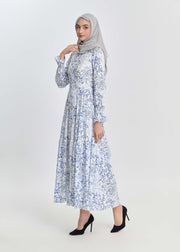
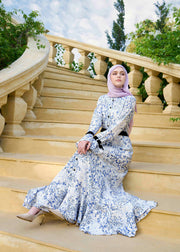
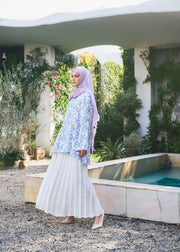
As global fashion began influencing modest wear, the abaya quietly underwent transformation. Designers introduced subtle embroidery, colored trims, and delicate fabrics like chiffon, silk, and satin. These changes didn’t compromise modesty but enhanced the abaya’s elegance and wearability. Women could now express individuality through details - a hint of lace, a soft pastel tone, or a flowy sleeve cut.
This era marked the beginning of the evolution of abaya fashion, where the focus shifted from mere functionality to fashion expression while preserving cultural respect.
Modern Abaya Fashion: Where Tradition Meets Innovation
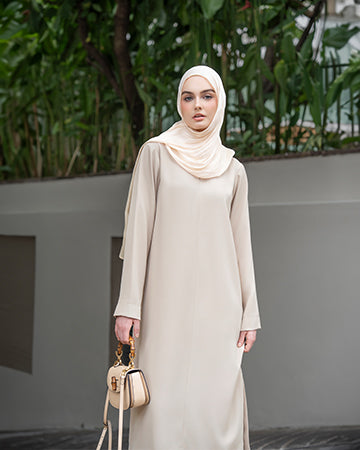
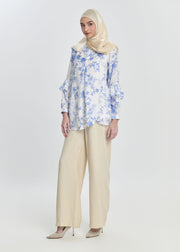
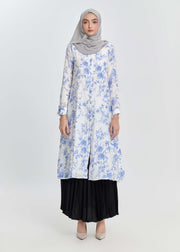
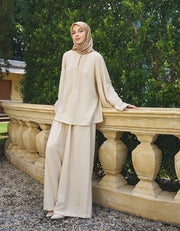
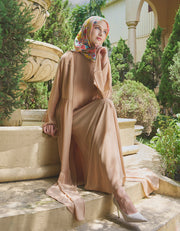
In today’s world, the abaya stands as a global fashion statement. The evolution of abaya fashion has taken the garment from the streets of Riyadh and Dubai to international runways. Modern abayas come in diverse silhouettes - open-front designs, kimono-inspired cuts, belted waists, and even layered combinations paired with jeans or heels.
Designers from the Middle East, Asia, and Europe now reinterpret abayas with innovative fabrics, metallic tones, and bold embroidery. The contemporary abaya embodies empowerment - allowing women to stay true to modest values while embracing modern aesthetics.

Modern Abaya Fashion: Where Tradition Meets Innovation
The Role of Social Media and Global Trends
The rapid digitalization of fashion has accelerated the evolution of abaya fashion. Social media influencers and modest fashion bloggers have turned abayas into a style icon. Platforms like Instagram and TikTok showcase creative styling - abayas layered with sneakers, paired with statement handbags, or accessorized with minimal jewelry.
This visibility has not only normalized modest dressing but also expanded its appeal globally. Today, non-Muslim fashion enthusiasts are inspired by the elegance and fluidity of abayas, making them part of global fashion culture.
Sustainability and the Future of Abaya Fashion
The future chapters in the evolution of abaya fashion are defined by sustainability and inclusivity. Eco-conscious designers are now using organic fabrics, plant-based dyes, and ethical production methods. Brands are embracing size inclusivity, ensuring every woman - regardless of body type - can find her perfect abaya fit.
This shift reflects a modern awareness: fashion can be modest, sustainable, and socially responsible all at once.
How the Abaya Became a Modern Wardrobe Essential
Today, the abaya is no longer limited to religious or cultural settings. It has evolved into a versatile piece suitable for both formal and casual occasions. Minimalist abayas in neutral shades dominate street style, while embellished ones light up special events.
The evolution of abaya fashion shows that modest fashion doesn’t mean sacrificing creativity. It’s about confidence - wearing what reflects one’s values while embracing design innovation.
Conclusion: A Blend of Heritage and Modernity
The evolution of abaya fashion proves that cultural heritage can evolve beautifully without losing its essence. From traditional black cloaks to stylish statement pieces, the abaya continues to celebrate modesty, elegance, and empowerment.
For those seeking timeless yet modern designs, explore the curated collections at Minnaba - where tradition meets trend-forward Islamic fashion for today’s confident woman.