

The Cultural Influence of Islamic Fashion in Modern Style Trends
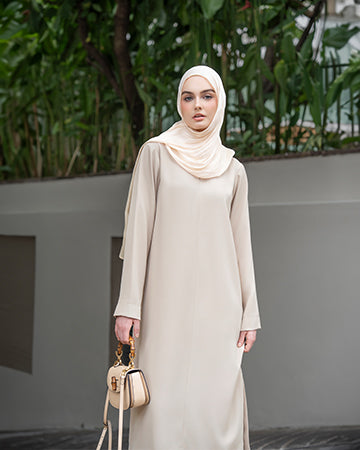
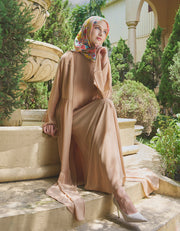
Islamic fashion has become one of the fastest-growing sectors in the global fashion industry, with modest wear gaining recognition far beyond Muslim-majority regions. Beneath the trends and the aesthetics, however, lies a deeper narrative: the cultural influence of Islamic fashion and how it shapes modern style trends worldwide. From traditional garments like the abaya, kaftan, and hijab to contemporary modest outfits adopted by global consumers, Islamic fashion showcases a unique blend of identity, culture, and style.
In this article, we explore how cultural roots, historical values, and regional traditions have influenced Islamic fashion and how these elements now appear in modern fashion movements.
Cultural Foundations That Shape Islamic Fashion
Islamic fashion is deeply rooted in cultural values such as modesty, elegance, and respect. These values are not merely religious guidelines but also cultural elements that have developed over centuries. Across the Middle East, North Africa, South Asia, and Southeast Asia, the concept of modesty has been expressed through clothing that covers the body while remaining comfortable and graceful.
The diversity in cultural backgrounds has resulted in different interpretations of modest wear. For example:
-
The abaya reflects Gulf culture with its flowing silhouette.
-
The kaftan carries Moroccan and North African influences.
-
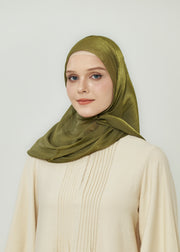
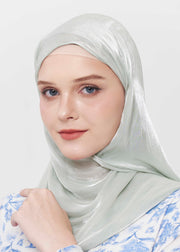
The hijab is styled differently across Turkey, Malaysia, Indonesia, and Egypt.
These variations highlight how Islamic fashion is not a single category but a cultural mosaic shaped by regional traditions.
The Rise of Modern Modest Fashion
In the last decade, modest fashion has expanded far beyond cultural boundaries. The global market now includes Muslim and non-Muslim consumers who appreciate the sophistication, layering techniques, and elegance offered by modest wear.
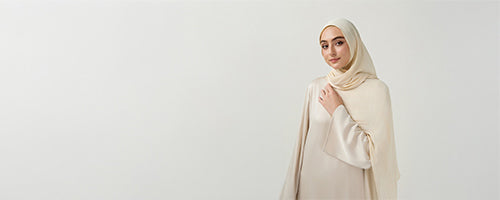
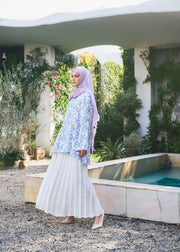
Fashion weeks in Dubai, Istanbul, London, and Jakarta showcase modern modest designs, proving that Islamic fashion plays a significant role in shaping contemporary style trends. Brands now create collections featuring long silhouettes, high necklines, soft fabrics, and minimalistic designs inspired by Islamic modest principles.
This rise is driven by cultural influence, as designers reinterpret traditional elements to create modern styles suitable for everyday wear, office outfits, and special occasions.

The Rise of Modern Modest Fashion
Cultural Influence Seen in Fabrics, Patterns, and Colors
Much of Islamic fashion’s cultural impact can be observed in the details. Fabrics such as silk, chiffon, and cotton have long been favored in Islamic regions for their breathable and elegant qualities. Today, these fabrics appear widely in modest dresses, modern abayas, and hijab-friendly outfits.
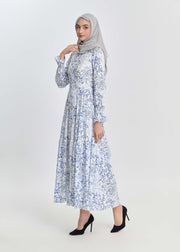
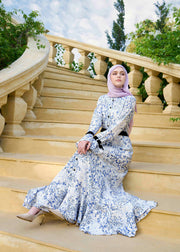
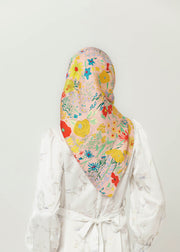
Traditional patterns such as geometric motifs, calligraphy-inspired designs, and floral arabesques remain strong cultural symbols. Many modern designers incorporate these motifs subtly into contemporary outfits, blending heritage with innovation.
Even color choices reflect cultural meaning.
-
Black is often associated with elegance in Gulf culture.
-
White symbolizes purity in South Asian and Middle Eastern traditions.
-
Gold embroidery has royal connotations in North African fashion.
When these culturally rich elements merge with modern tailoring, they create a signature aesthetic that sets Islamic fashion apart in the global industry.
Cultural Identity and Representation in Global Fashion
One of the strongest cultural influences of Islamic fashion is its role in identity expression. As Muslim women embrace modest fashion as part of their cultural journey, global fashion houses now recognize the importance of representation.
From featuring hijab-wearing models on runways to launching modest collections, brands respond to the growing demand for inclusive fashion. This shift reflects not only commercial opportunity but also cultural respect and global appreciation for diversity.
Social media has also amplified cultural identity within Islamic fashion. Influencers from Dubai, Kuala Lumpur, Istanbul, Paris, and London showcase their unique ways of styling modest outfits while staying true to their cultural roots. Their creativity has shaped trends in layering, accessorizing, and modernizing traditional garments.

Cultural Identity and Representation in Global Fashion
How Islamic Fashion Inspires Modern Style Trends
The cultural influence of Islamic fashion can be seen in several major style trends:
1. Layering Techniques
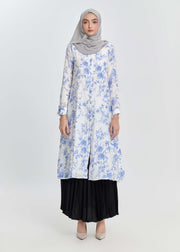
Layering is central to modest wear, and this practice has inspired global fashion houses to adopt similar styling in coats, cardigans, oversized blazers, and long dresses.
2. Flowing Silhouettes
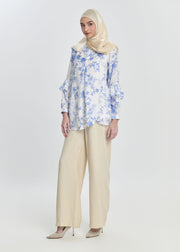
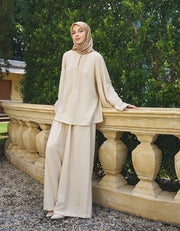
Loose and relaxed silhouettes have become increasingly popular in contemporary fashion. Maxi dresses, wide-leg pants, and oversized tops reflect modest principles while offering comfort and elegance.
3. Minimalist Aesthetic
Modern Islamic fashion often embraces clean lines and neutral tones, aligning with the global minimalism trend.
4. Statement Scarves
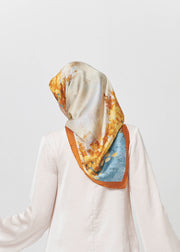
The cultural significance of headscarves has influenced scarf styling in non-Muslim markets, where silk scarves are now worn as accessories on bags, around the neck, or as hair wraps.

How Islamic Fashion Inspires Modern Style Trends
Cultural Influence as a Bridge Between Tradition and Modernity
Islamic fashion showcases how culture can evolve while staying connected to its roots. Traditional garments continue to inspire modern designs, proving that cultural identity remains a powerful force in shaping style trends.
As the global fashion industry moves toward inclusivity and cultural appreciation, the influence of Islamic fashion is set to grow even further. What began as regional cultural attire has transformed into a global style movement that celebrates modesty, diversity, and heritage.
For Muslim women seeking culturally inspired, elegant, and modern modestwear, Minnaba offers curated collections that honor tradition while embracing contemporary design. Discover styles that reflect your identity at Minnaba today.