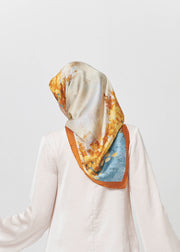
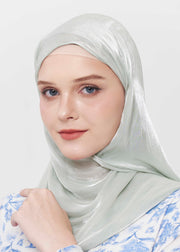


Silk vs Satin Hijabs: Which Is Better for Modest Fashion?
When it comes to elegant and modest Muslim fashion, hijabs play a central role in expressing personal style while honoring religious values. Among the most popular materials chosen by Muslim women worldwide are silk and satin. Both fabrics are known for their lustrous shine and luxurious feel, but how do they truly compare? In this guide, we will dive deep into the differences between silk and satin hijabs, helping you choose the perfect option for your wardrobe.
What Makes Silk Hijabs Special?
Silk is a natural fiber made from silkworm cocoons. It has been valued for centuries in Islamic clothing due to its beauty, softness, and breathability. Many Muslim women love silk hijabs because of several advantages:
-
Lightweight and breathable
Silk allows air to circulate naturally, making it ideal for hot climates or long wear during the day. You stay comfortable without feeling sweaty or heavy. -
Natural sheen and elegance
The subtle shine of silk adds an instant luxurious touch to any modest outfit. It is often chosen for weddings, celebrations, or professional settings. -
Hypoallergenic properties
Silk is gentle on sensitive skin and prevents irritation, especially for those who wear hijabs daily. -
Strong and durable
Despite its softness, silk can be remarkably strong and long-lasting when properly taken care of.
However, silk does come with a few drawbacks. The fabric can be slippery, which means you might need a hijab cap or pins for a secure fit. Silk is also more expensive than many other materials, and handwashing or dry cleaning is recommended to maintain its quality over time.

What Makes Silk Hijabs Special?
What About Satin Hijabs?
Unlike silk, satin is not a fiber but a weaving technique. Satin can be made from polyester, nylon, silk blends, or other fibers. Satin hijabs are favored for their affordability and fashionable glossy appearance.
Here are some of the best features of satin hijabs:
-
Budget-friendly
Satin offers a luxurious look without the high price tag of pure silk. It is a great choice for beginners or those building a hijab collection. -
Endless color and pattern variety
Satin is easy to dye and print on, giving shoppers plenty of trendy styles to choose from. -
Smooth and flowing drape
The shiny, soft texture enhances glamor and pairs well with evening or festive outfits.
However, because most satin fabrics are synthetic, they may lack breathability, which can cause discomfort in warm weather. Satin can also create static, leading to hair frizz without proper layering underneath.

What About Satin Hijabs?
Key Differences Between Silk and Satin Hijabs
Silk is a natural fabric known for breathability, softness, and its gentle effect on the skin. Satin, on the other hand, is a weave that can be made of synthetic fibers, offering high shine and affordability but less ventilation. Silk gives a subtle, elegant look, while satin offers a bolder and more reflective sheen.
Which One Should You Choose?
Selecting between silk and satin hijabs depends on what you prioritize in modest fashion:
Choose silk hijabs if you prefer:
-
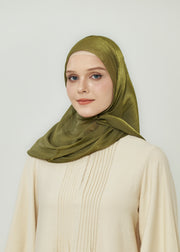
Natural luxury with a graceful shine
-
Breathable and skin-friendly fabrics
-
Durable quality suited for special and formal occasions
Choose satin hijabs if you want:
-
Affordable options for daily styling
-
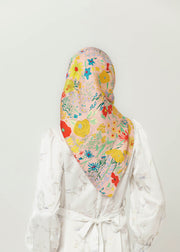
Bold, trendy colors and prints
-
Easy care and simple maintenance
Many Muslim women choose to mix both in their wardrobe: silk for sophisticated events and satin for everyday looks.

Which One Should You Choose?
Styling Tips for Silk and Satin Hijabs
-
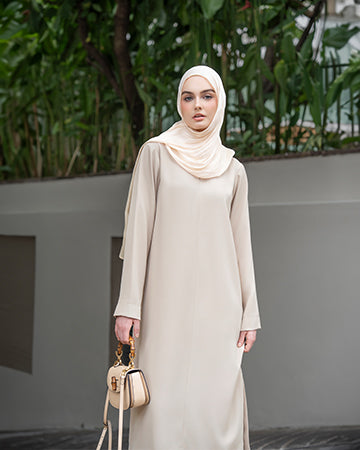
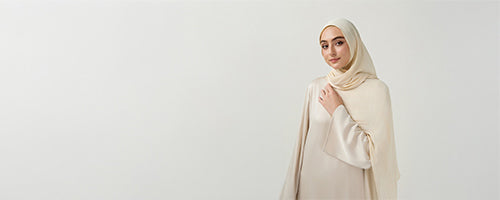
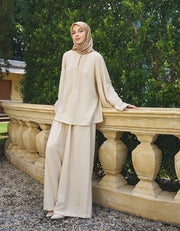
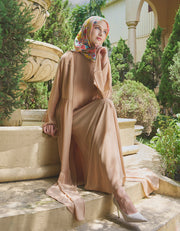
Combine a silk hijab with an abaya, kaftan, or tailored outfit for elegant celebrations.
-
Use an inner hijab cap to reduce slipping and control the fabric’s movement.
-
Keep a few neutral silk colors for business and formal settings.
-
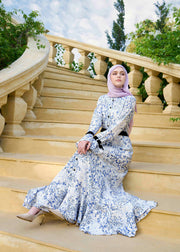
Choose bright or patterned satin hijabs for casual chic styles.
The beauty of modest fashion lies not in the price or label, but in the comfort and confidence a woman feels while expressing her faith through clothing.
Final Thoughts
The decision between silk and satin hijabs ultimately comes down to personal preference in terms of comfort, functionality, and budget. Both fabrics offer beauty and versatility in modest fashion. If you are building your hijab collection, start with options that support your lifestyle and invest in luxurious pieces when you want to elevate your style.
If you are looking for beautiful silk and satin hijabs that combine quality with modesty, explore Minnaba — your trusted destination for stylish Islamic fashion.