

Choosing Fabrics for Comfortable Islamic Tunics
In the world of Islamic fashion, comfort and modesty are equally important. A well-chosen tunic can instantly elevate your look, but the secret to a truly perfect outfit lies in the fabric. From breezy cottons to luxurious silks, every material has its unique feel, drape, and purpose. Understanding the best fabrics for Islamic tunics helps Muslim women choose pieces that not only look beautiful but also feel comfortable throughout the day.
Why Fabric Choice Matters in Islamic Tunics
Fabric affects how a tunic moves, breathes, and holds its shape. For Islamic tunics, the goal is to maintain modesty while ensuring comfort in different climates and activities. A tunic that looks elegant but feels heavy or stiff can ruin the experience of wearing modest fashion.
When choosing fabrics, consider three main factors:
-
Breathability – crucial for warm climates or daily wear.
-
Opacity – ensures coverage without needing too many layers.
-
Durability – especially for tunics worn frequently or washed often.
By keeping these factors in mind, women can find comfortable tunics that balance practicality with timeless style.

Why Fabric Choice Matters in Islamic Tunics
Cotton: The Everyday Essential for Islamic Tunics
Cotton remains one of the most beloved fabrics for Islamic tunics - and for good reason. It’s soft, lightweight, and naturally breathable, making it ideal for everyday wear, especially in tropical or warm environments. Cotton tunics absorb moisture and allow air circulation, preventing discomfort during long days.
Popular cotton tunic types include:
-
Cotton poplin tunics: Crisp and structured, perfect for office wear.
-
Cotton jersey tunics: Stretchy and casual, great for relaxed days.
-
Organic cotton tunics: Eco-friendly and gentle on sensitive skin.
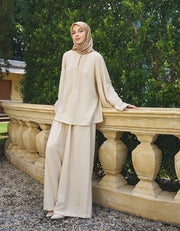
Cotton’s versatility means it pairs easily with jeans, wide-leg trousers, or skirts - creating a polished comfortable tunic look suitable for both work and leisure.
Linen: The Breezy Option for Warm Weather
For summer or humid regions, linen is a go-to fabric in Islamic fashion. It’s lightweight, breathable, and has a natural cooling effect that keeps you comfortable even on the hottest days. Linen tunics often have a slightly textured finish, giving them a sophisticated yet effortless charm.
While linen wrinkles easily, that texture is part of its relaxed appeal. Choose linen-blend tunics if you prefer a smoother finish with less maintenance. Pair them with soft hijabs and neutral accessories for a minimalist, airy look that feels as light as it looks.
Chiffon and Georgette: Elegant Choices for Formal Islamic Tunics
When it comes to special occasions, chiffon and georgette tunics bring elegance and grace. These lightweight fabrics drape beautifully, adding movement and flow to your silhouette. Although sheer, they can be lined or layered for modest coverage without losing sophistication.
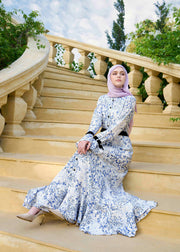
Chiffon and georgette are especially popular in eveningwear and festive Islamic tunics, often embellished with embroidery, beadwork, or lace. They strike a balance between delicacy and modesty - ideal for Eid celebrations, weddings, or formal gatherings.
To stay comfortable in these materials, choose designs with inner linings or wear them over lightweight underlayers. This helps maintain modesty while keeping you cool.
Jersey and Knit Fabrics for Everyday Comfort
For women who prioritize flexibility and ease of movement, jersey and knit tunics are unbeatable. These fabrics stretch naturally, adapting to body movements while maintaining modest coverage. They are perfect for travel, casual outings, or active days.
Jersey tunics are often wrinkle-resistant and easy to wash - making them a favorite among busy women. Their soft texture ensures that every comfortable tunic feels like a second skin while still offering a neat, modest look suitable for Islamic wear.
Silk and Satin: Luxurious Fabrics for Elegant Islamic Tunics
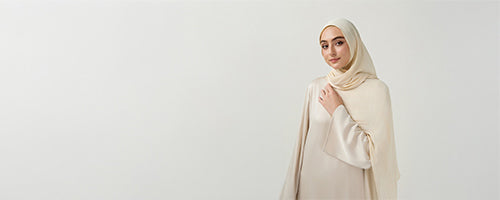
For a touch of sophistication, silk and satin tunics are timeless. Their glossy finish and smooth texture make them ideal for formal events or celebrations. These fabrics flow gracefully, giving a refined, feminine silhouette that stands out in Islamic fashion.
While silk requires delicate care, satin - especially polyester satin - offers a similar luxurious appearance at a more affordable price. Both materials are perfect for creating statement Islamic tunics with minimal embellishments, allowing the fabric’s sheen to speak for itself.
To maintain their elegance, handwash silk tunics or use gentle detergent in cold water. With proper care, these pieces can last for years, embodying modest luxury.
Blended Fabrics: The Perfect Balance of Comfort and Modesty
Modern Islamic tunic designs often use blended fabrics - combining natural fibers like cotton or linen with synthetics like polyester or rayon. This fusion improves durability, reduces wrinkling, and enhances comfort. For example:
-
Cotton-polyester blends: Soft yet structured, ideal for workwear tunics.
-
Linen-rayon blends: Light and drapey with less creasing.
-
Viscose blends: Silky smooth and breathable, perfect for daily wear.
Blended materials allow women to enjoy stylish, comfortable tunics that are easy to care for and suited for all-day wear.
Final Thoughts: Comfort Starts with the Right Fabric
Choosing the right fabrics for Islamic tunics is about more than style - it’s about feeling confident, modest, and at ease in every setting. From breathable cotton and linen to elegant silk and chiffon, each fabric offers its unique blend of comfort and beauty.
Whether you’re dressing for a casual day out or a special evening event, select fabrics that align with your lifestyle and climate. A truly comfortable tunic not only enhances your appearance but also reflects your personal expression of modesty and grace.
Explore beautifully made Islamic tunics crafted from premium fabrics at Minnaba - your destination for modern modest wear that blends comfort, elegance, and faith.

Comfort Starts with the Right Fabric