


Why Sustainable Fashion Is Reshaping Islamic Fashion in 2026
In 2026, the global Islamic fashion industry is undergoing a significant transformation. As Muslim consumers become more conscious of ethics, environmental impact, and long-term value, sustainable fashion is reshaping Islamic fashion in ways that go far beyond aesthetics. This shift reflects a deeper alignment between modern consumer expectations and core Islamic principles.
Sustainable fashion is no longer a niche concept within modest wear - it is becoming a defining force of the industry.
The Growing Demand for Sustainable Islamic Fashion
Islamic fashion has traditionally emphasized modesty, dignity, and intentional living. In recent years, these values have found a natural extension in sustainable fashion practices.
Muslim consumers in 2026 are increasingly asking:
-
Where was this garment made?
-
Who made it, and under what conditions?
-
How long will it realistically last?
This growing awareness has pushed sustainable fashion from an optional feature to a competitive necessity in Islamic fashion.
How Sustainable Fashion Aligns with Islamic Values
One of the key reasons sustainable fashion is reshaping Islamic fashion is its strong alignment with Islamic ethics. Principles such as amanah (trust), adl (justice), and the avoidance of israf (wastefulness) are central to both Islam and sustainability.
Sustainable fashion promotes:
-
Responsible use of resources
-
Ethical labor practices
-
Long-term consumption over excess
For Muslim consumers, choosing sustainable Islamic fashion is increasingly viewed as an extension of faith-based responsibility, not merely a lifestyle choice.

How Sustainable Fashion Aligns with Islamic Values
The Limitations of Fast Fashion in Islamic Fashion
The rise of sustainable fashion is also a response to the limitations of fast fashion. While fast fashion made modest clothing more accessible, it introduced issues that conflict with Islamic fashion values, including:
-
Disposable clothing culture
-
Environmental harm
-
Ethical concerns within supply chains
In 2026, many Muslim consumers recognize that modesty cannot be fully realized if clothing is produced through exploitative or wasteful systems. This realization is accelerating the move toward sustainable alternatives.
Sustainable Fashion and the Evolution of Modest Design
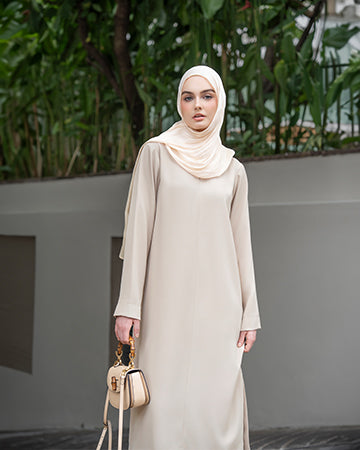
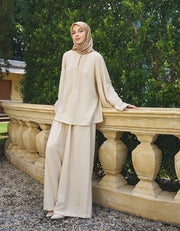
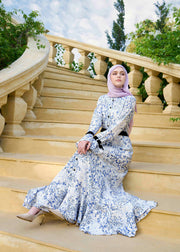
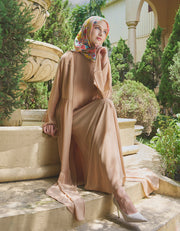
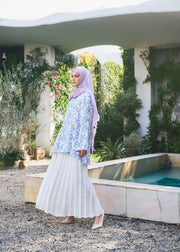
Sustainable fashion is reshaping not only how Islamic clothing is made, but also how it is designed. Instead of trend-driven silhouettes, sustainable Islamic fashion prioritizes:
-
Timeless cuts suitable for multiple occasions
-
Neutral color palettes that transcend seasons
-
High-quality fabrics that age well
This design philosophy reinforces the idea that modest fashion is not about constant renewal, but about thoughtful, long-lasting wardrobes.

Sustainable Fashion and the Evolution of Modest Design
The Role of Materials in Sustainable Islamic Fashion
Fabric choice plays a crucial role in sustainability. In 2026, Islamic fashion brands are increasingly turning to:
-
Organic and responsibly sourced cotton
-
Linen and natural fibers
-
Low-impact dyes and finishes
These materials offer breathability, comfort, and durability - key considerations for modest wear - while reducing environmental impact. As consumers become more educated, fabric transparency is becoming a major trust factor in Islamic fashion.
How Islamic Fashion Brands Are Adapting
Sustainable fashion is reshaping Islamic fashion at the brand level as well. Many brands are shifting away from mass production toward more responsible models, such as:
-
Small-batch or limited collections
-
Transparent supply chains
-
Slower production cycles focused on quality
These changes allow brands to maintain design integrity while reducing waste and improving ethical accountability.
Consumer Behavior Is Driving the Shift
The transformation of Islamic fashion in 2026 is largely consumer-driven. Muslim shoppers are increasingly prioritizing:
-
Value over volume
-
Quality over trendiness
-
Ethics over impulse buying
Sustainable fashion empowers consumers to build intentional wardrobes that reflect both personal style and spiritual values. This shift is redefining what success looks like for Islamic fashion brands.

Consumer Behavior Is Driving the Shift
Sustainable Fashion as the Future of Islamic Fashion
Looking ahead, sustainable fashion is not a temporary trend - it is becoming the foundation of Islamic fashion’s future. As global conversations around climate responsibility and ethical production intensify, Islamic fashion is uniquely positioned to lead by example.
By embracing sustainability, Islamic fashion can remain modern, relevant, and globally influential while staying true to its ethical roots.
Conclusion: Why Sustainable Fashion Is Reshaping Islamic Fashion
The rise of sustainable fashion in 2026 marks a turning point for Islamic fashion. It represents a move away from disposable trends toward mindful consumption, ethical responsibility, and long-term value.
Sustainable fashion is reshaping Islamic fashion because it reflects what modesty truly stands for - not only in appearance, but in intention, impact, and accountability. For Muslim consumers and brands alike, sustainability is no longer the future. It is the present.