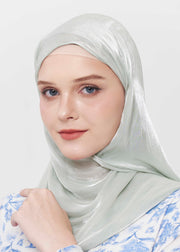


Understanding Color Meaning in Islamic Fashion: A Guide for Modest Dressers
In Islamic fashion, modesty and style go hand in hand. Beyond the silhouette and coverage, color meaning in Islamic fashion plays a pivotal role in expressing personality, cultural values, and even religious symbolism. Choosing the right colors can enhance confidence, reflect tradition, and help Muslims adhere to cultural norms while staying fashionable. This guide explores the deeper significance of colors in Islamic clothing, from everyday wear to special occasions.
The Importance of Color in Islamic Fashion
Color is more than aesthetic appeal; it carries meanings deeply rooted in culture and religion. In Islamic traditions, certain colors are associated with specific virtues, moods, or social contexts. Understanding these associations helps modest dressers select outfits that align with personal expression and cultural sensitivity.
-
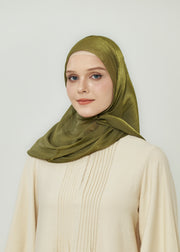
Spiritual Symbolism: Many colors in Islamic fashion are linked to spirituality. Green, for instance, is closely associated with Islam, representing paradise, growth, and harmony. Wearing green in a hijab or abaya can convey spiritual awareness and a connection to religious values.
Mood and Expression: Colors communicate emotions. Soft pastels like light pink, beige, or lavender project calmness and serenity, while bold shades like red or royal blue symbolize strength, passion, or confidence. Understanding the mood behind each color ensures modest dressers can select appropriate attire for different occasions.

The Importance of Color in Islamic Fashion
Common Colors and Their Meanings in Islamic Fashion
1. Green
Green is perhaps the most prominent color in Islamic tradition. It represents life, renewal, and paradise. Many modest dressers choose green for everyday hijabs or ceremonial abayas to reflect their spiritual grounding.
2. White
White signifies purity, simplicity, and peace. It is a common choice for prayer garments, wedding attire, and religious gatherings. White clothing not only embodies modesty but also evokes a clean, minimalist elegance in modern Islamic fashion.
3. Black
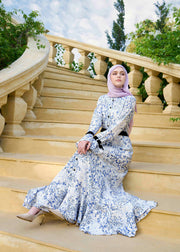
Black is versatile and timeless. While it may symbolize humility and modesty, black also exudes sophistication. Abayas in black are popular worldwide because they balance tradition with contemporary style. Designers often embellish black garments with intricate embroidery or colored accents to create contrast and visual interest.
4. Blue
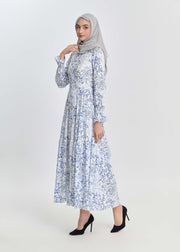
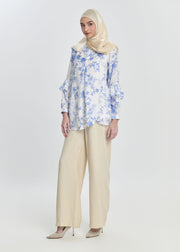
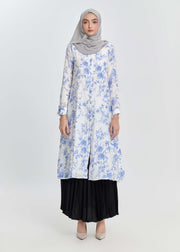
Blue represents tranquility, wisdom, and trust. Light blue shades evoke calmness, while navy or royal blue can denote formality and authority. Blue hijabs or dresses are often chosen for professional settings or formal events.
5. Red
Red is bold and eye-catching, symbolizing passion, energy, and celebration. While not traditionally associated with everyday modest wear, red is often used in festive Islamic attire or bridal ensembles. Pairing red with neutral tones can maintain modesty while embracing vibrancy.
6. Neutral Tones (Beige, Grey, Brown)
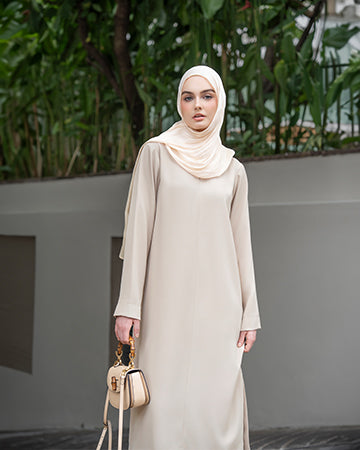
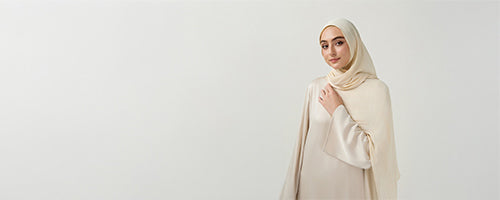
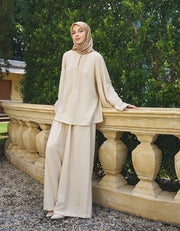
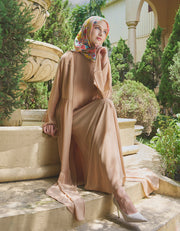
Neutral colors are practical and versatile. They reflect simplicity and sophistication without drawing excessive attention. Neutral abayas, maxi dresses, and scarves are essential staples in a modest wardrobe, suitable for both casual and formal occasions.
Tips for Choosing Colors in Islamic Fashion
-
Consider Occasion and Context: For religious events or prayer, subtle and traditional colors like white, green, or pastel tones are preferred. For social gatherings, you can experiment with brighter or bolder hues.
-
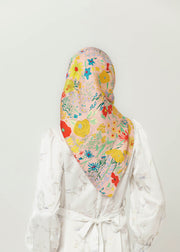
Balance Bold Colors: When wearing vibrant colors such as red or purple, pair them with neutral tones to maintain modesty and avoid overpowering your outfit.
-
Layering and Color Harmony: Islamic fashion often involves layering, like wearing long vests, abayas, or tunics over dresses. Ensure complementary color combinations to create a cohesive and stylish look.
Reflect Your Personality: Color choices should resonate with your personal style. Whether you prefer calming shades or lively hues, integrating your personality into your wardrobe enhances confidence and self-expression.

Tips for Choosing Colors in Islamic Fashion
The Modern Influence of Color in Islamic Fashion
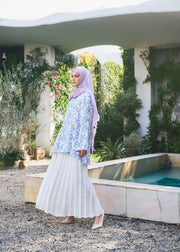
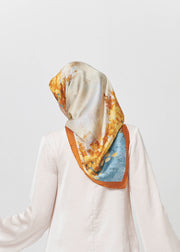
Contemporary designers are pushing the boundaries of Islamic fashion by incorporating diverse color palettes while respecting traditional meanings. From pastel abayas to vibrant hijabs, the modern approach allows modest dressers to experiment creatively without compromising cultural values. Social media and fashion blogs further amplify these trends, making it easier to explore new combinations and stay on top of color trends globally.

The Modern Influence of Color in Islamic Fashion
Conclusion
Understanding color meaning in Islamic fashion is crucial for modest dressers who want to merge style with cultural and religious awareness. Whether choosing the serene green of spiritual reflection, the purity of white, or the bold statement of red, colors are powerful tools of expression. By thoughtfully selecting colors for their wardrobe, Muslims can achieve both modesty and elegance in every setting.
For those looking to explore diverse options and shop with confidence, platforms like Minnaba offer a wide range of modest outfits that respect Islamic traditions while embracing modern color trends.