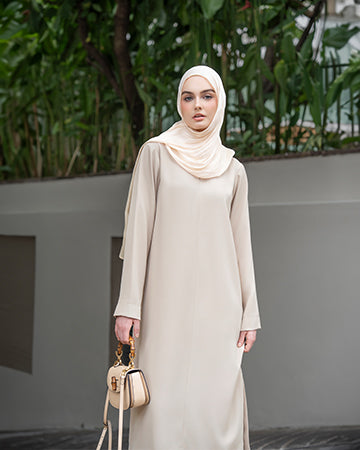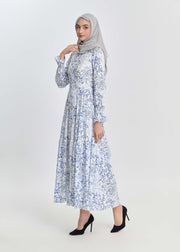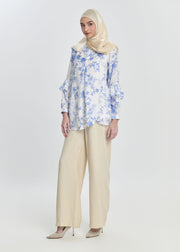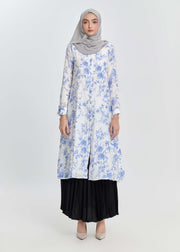


Traditional Kaftan in Islamic Fashion: From Cultural Roots to 2026 Trends
The kaftan is one of the most iconic garments in Islamic fashion - a symbol of elegance, modesty, and cultural richness. While its origins date back centuries, the kaftan continues to evolve and inspire modern designers. In 2026, this traditional piece remains at the heart of modest fashion, worn by Muslim women worldwide for its timeless beauty and versatility. This article explores the cultural roots of the traditional kaftan, its transformation throughout history, and the trends that will define it in 2026.
The Cultural Origins of the Traditional Kaftan
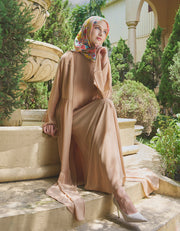
The kaftan has a long and diverse history, spanning regions such as North Africa, the Middle East, Turkey, and parts of Asia. Though designs vary, the core identity of the kaftan remains consistent: a loose, flowing garment that offers ease of movement and elegant coverage.
Historically, kaftans were worn by royalty, scholars, and people of high social status. The materials used - silk, brocade, velvet - were symbols of wealth and craftsmanship. Embroidery, gold thread, and handwoven details reflected regional artistry and storytelling traditions. Over time, the kaftan became more accessible, spreading across cultures and evolving into different styles while preserving its modest essence.
In Morocco, the kaftan is a central garment for celebrations and weddings. In the Ottoman Empire, it symbolized royalty and imperial prestige. In the Middle East, the kaftan became a comfortable and graceful everyday garment suited to warm climates. Today, it continues to represent cultural pride and artistic heritage.
Key Features That Make the Kaftan Timeless
The enduring popularity of the traditional kaftan in Islamic fashion comes from its distinctive features. These elements contribute to both comfort and beauty, making the kaftan a cherished staple for generations.
1. Flowing Silhouette
The loose and airy shape of the kaftan promotes modesty without restricting movement. Its draping lines flatter a wide range of body types.
2. Cultural Embroidery and Patterns
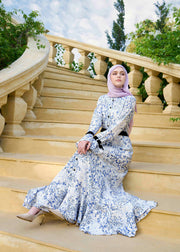
Traditional kaftans often feature intricate embroidery inspired by local motifs - geometric shapes, botanical designs, or calligraphic influences.
3. Versatile Materials
Depending on the region and occasion, kaftans may be made from silk, chiffon, cotton, linen, velvet, or brocade, each carrying cultural meaning.
4. Adaptability Across Occasions
Kaftans can be worn casually, formally, or as ceremonial attire, making them one of the most versatile garments in Islamic fashion.
These features highlight why the kaftan remains timeless and beloved across the Muslim world.

Key Features That Make the Kaftan Timeless
The Evolution of Kaftans Through Modern Islamic Fashion
While the traditional kaftan holds deep cultural meaning, designers have reimagined it for modern modest fashion. Today’s kaftans maintain their classic structure but embrace new elements - minimalist cuts, contemporary fabrics, and subtle embellishments.
In recent years, the rise of international modest fashion has brought the kaftan into global markets. Influencers and designers showcase kaftans during Ramadan, Eid, weddings, and even fashion weeks. This exposure has helped the garment transition from cultural attire to a widely recognized symbol of elegant modesty.
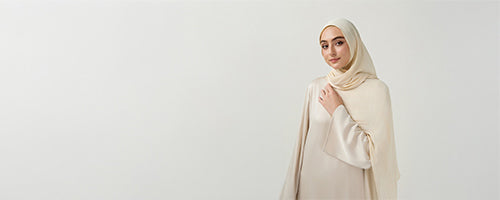
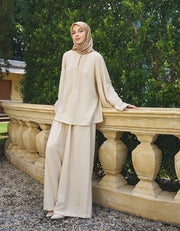
Modern interpretations often combine traditional craftsmanship with softer silhouettes, lighter materials, and neutral color palettes. The result is a kaftan that feels both culturally anchored and aligned with global fashion trends.
2026 Kaftan Trends: What to Expect
As we move into 2026, several key trends are shaping the future of traditional kaftans in Islamic fashion.
1. Sustainable Textiles
Eco-conscious fabrics such as organic cotton, bamboo blends, and recycled fibers are becoming more common. These materials offer comfort while supporting environmentally responsible fashion.
2. Minimalist Luxury
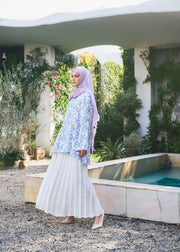
While traditional kaftans are known for ornate designs, modern consumers increasingly prefer simple, clean lines with understated embellishments. Neutral tones, soft pastels, and monochrome palettes will dominate 2026 collections.
3. Hybrid Designs
Reflecting global influences, hybrid kaftans mix elements from different regions - Moroccan embroidery, Turkish cuts, Gulf-inspired sleeves - to create fresh silhouettes.
4. Occasion-Based Styling
Kaftans for 2026 fall into distinct categories: everyday casual wear, luxury evening styles, wedding kaftans, and resort-inspired lightweight designs.
5. Personalized Craftsmanship
Handcrafted details, custom tailoring, and personalized embroidery are making a comeback as consumers value unique, meaningful pieces.
These trends show that while kaftans evolve with time, they always remain faithful to their roots.

2026 Kaftan Trends: What to Expect
Why the Kaftan Remains a Core Part of Islamic Fashion
The kaftan’s enduring appeal is linked to what it represents: modesty, heritage, comfort, and artistry. As Islamic fashion continues to gain global recognition, the kaftan’s role grows even stronger.
Women appreciate its ability to blend elegance with cultural identity. It offers modest coverage without sacrificing style, making it suitable for both modern and traditional tastes. The kaftan also adapts effortlessly to different climates, lifestyles, and fashion preferences.
In essence, the kaftan is more than a garment - it is a cultural story woven into fabric.

Why the Kaftan Remains a Core Part of Islamic Fashion
The Future of the Traditional Kaftan
Looking ahead, the kaftan will continue to evolve as designers, artisans, and consumers contribute their creativity to its legacy. With rising interest in modest fashion and cultural clothing, the kaftan is set to become even more prominent in both global and local fashion scenes.
Its ability to balance tradition and innovation ensures that the kaftan will remain a cherished part of Islamic fashion for generations.
If you’re looking for elegant, modest kaftans that blend cultural heritage with modern 2026 trends, you can explore curated designs at Minnaba – a brand known for refined silhouettes, high-quality fabrics, and timeless modest wear.