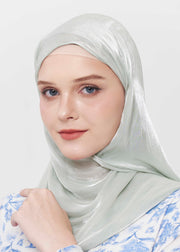


Abaya in Islamic Fashion: A Complete Guide for Beginners
The abaya is one of the most iconic garments in Islamic fashion, known for its modest silhouette, elegant draping, and cultural significance. Over the years, the abaya has evolved from a traditional black cloak into a versatile and stylish piece enjoyed by women across the world. Whether you're new to modest fashion or curious about how abayas fit into modern wardrobes, this complete guide will help you understand everything you need to know about abaya in Islamic fashion-from origins and design elements to styling tips and buying advice.
What Is an Abaya in Islamic Fashion?
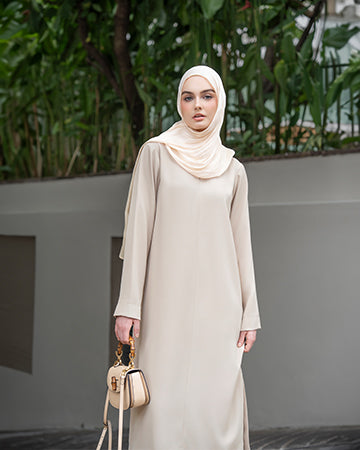
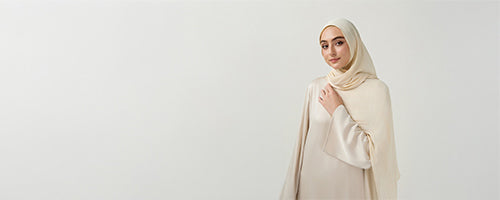
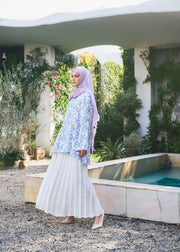
An abaya is a loose, flowing outer garment worn by Muslim women to maintain modesty according to Islamic guidelines. Traditionally, it is ankle-length, long-sleeved, and typically black. However, the meaning of abaya in Islamic fashion has expanded significantly. Today’s abayas come in various colors, fabrics, cuts, and embellishments that reflect both cultural identity and personal style.
The abaya remains a symbol of modesty, dignity, and elegance. At the same time, it has become a canvas for modern designers to merge tradition with contemporary trends, making it an essential piece in today’s modest fashion scene.
The Evolution of Abaya in Islamic Fashion
The history of the abaya dates back centuries, originating in the Arabian Peninsula. Initially, it served a purely functional role: to protect women from heat, dust, and the public gaze. Over time, Islamic fashion evolved, and so did the abaya’s purpose.
Today, you can find many types of abayas, including:
-
Open abayas
-
Closed abayas
-
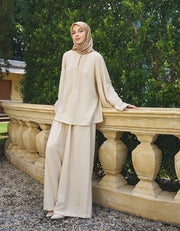
Pleated and tailored abayas
-
Kimono-style abayas
-
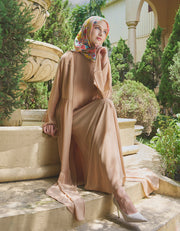
Layered abayas
-
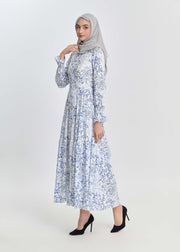
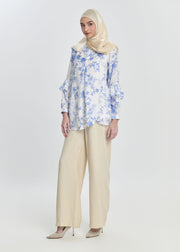
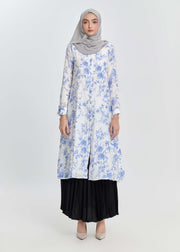
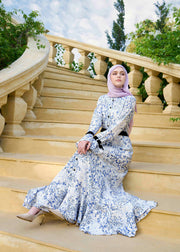
Printed and embroidered abayas
Each variation reflects unique cultural influences, from Middle Eastern aesthetics to Southeast Asian designs and modern Western modest fashion inspirations.

The Evolution of Abaya in Islamic Fashion
Popular Fabrics Used in Abaya in Islamic Fashion
The choice of fabric plays a major role in the comfort and appearance of an abaya. For beginners, understanding fabric types helps ensure a better shopping experience. Some of the most common materials include:
1. Nidha
A luxurious, soft, and lightweight material often used in premium abayas. It drapes beautifully and provides excellent breathability.
2. Chiffon
Perfect for flowy and layered designs. Chiffon abayas are ideal for warmer climates or for achieving an airy, feminine look.
3. Satin and Silk
These fabrics add shine and elegance, making them suitable for special occasions or evening wear.
4. Jersey
A stretchy, comfortable fabric preferred for casual and everyday abayas. It’s easy to move in and low-maintenance.
5. Linen
Breathable and natural, linen abayas are great for hot weather but often have a more structured appearance.
Choosing the right fabric ensures your abaya not only looks stylish but also feels comfortable throughout the day.
How to Choose Your First Abaya
For beginners, selecting the right abaya can feel overwhelming. Here are some essential tips to help you make the right choice:
● Start With Neutral Colors
Black, beige, gray, and navy are timeless and versatile. These shades pair well with most outfits and are ideal if you're just beginning to explore modest fashion.
● Know Your Fit
Some abayas are straight-cut while others are A-line or oversized. If you prefer comfort and breathability, choose a relaxed fit. For more structure, opt for tailored designs.
● Consider the Occasion
A simple abaya works well for everyday errands or work, while embellished options are perfect for weddings, celebrations, or formal gatherings.
● Check the Length and Sleeves
The abaya should ideally reach your ankles and have long sleeves to maintain modesty. Petite women may need shortened lengths, while taller women might need extended sizes.
● Choose Comfortable Fabrics
If you live in a warm climate, opt for chiffon, nidha, or jersey. For cooler places, satin or thicker crepe fabrics may be better.

How to Choose Your First Abaya
Styling Tips for Abaya in Islamic Fashion
Styling an abaya is much easier than many beginners expect. With the right accessories, you can transform a simple abaya into a polished and fashionable outfit.
1. Pair It With the Right Hijab
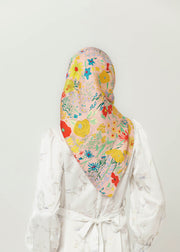
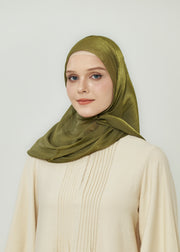
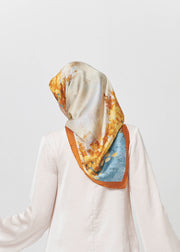
Match or contrast your hijab depending on the style you want. Silk hijabs add glam, while chiffon hijabs offer a soft, elegant finish.
2. Use Belts for Modern Silhouettes
A slim or wide belt can give an abaya a more defined waist, especially for open or kimono-style abayas.
3. Add Minimalist Jewelry
Gold or silver accessories elevate your look without overpowering the modest aesthetic.
4. Choose Complementary Footwear
From sandals to heels and boots, your shoe choice can change the overall vibe-from casual to chic to formal.
5. Experiment With Layers
Outer jackets, shawls, and vests can add depth and personality to your look while staying modest.
Where to Buy Abayas
With the global rise of modest fashion, many brands now offer stunning abaya collections. Beginners should look for reliable stores that provide:
-
High-quality fabrics
-
Various styles and sizes
-
Transparent sizing guides
-
A range of modest fashion essentials
Shopping online allows you to explore a diverse selection of designs, from classic to modern chic.
Conclusion
An abaya in Islamic fashion is more than just a garment-it represents modesty, culture, and personal expression. By understanding fabrics, styles, colors, and essential styling tips, beginners can easily explore the beauty and versatility of this iconic piece. Whether you're dressing for work, travel, or a special occasion, the abaya remains a timeless choice that adapts to every modern lifestyle.
If you’re ready to start building your modest wardrobe or want to explore elegant abaya designs, visit Minnaba - your trusted destination for stylish, high-quality Islamic fashion.