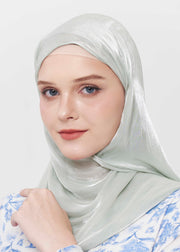


Cultural Influence on Color Use in Islamic Fashion
Color is more than just a visual element 9 it’s a reflection of culture, faith, and emotion. In the world of Islamic fashion, colors are deeply intertwined with cultural traditions, climate, and local customs. What one region considers elegant and modest may differ from another, showing how beautifully diverse the color use in Islamic fashion can be.
From Morocco to Malaysia, the hues chosen in modest clothing tell stories of heritage and spirituality. Let’s explore how culture shapes the way color is used in Islamic fashion around the world.
The Historical Roots of Color in Islamic Fashion
The use of color in Islamic clothing dates back centuries, influenced by trade routes, dynasties, and cultural exchange. In early Islamic civilizations, textiles were dyed using natural pigments like indigo, saffron, and henna. These colors were not only aesthetic but also symbolic:
-
Green symbolized paradise and divine peace.
-
Black stood for dignity and modesty.
-
White represented purity and equality.
-
Blue signified protection and spirituality.
Each region adapted these meanings based on its own traditions. Over time, cultural interpretations evolved, blending faith9based symbolism with local identity.
Color Use in Middle Eastern Islamic Fashion
The Middle East has long been a hub of Islamic dress culture, where color reflects both modesty and majesty.
In Gulf countries, black abayas remain the epitome of modest elegance. The color symbolizes dignity and humility, yet designers have modernized it with embroidery, metallic trims, and colored layers underneath.
In contrast, men’s traditional attire - such as the white thobe or dishdasha - emphasizes purity and simplicity, especially suitable for hot desert climates. The preference for neutral colors is both spiritual and practical, reflecting cultural restraint and climate adaptation.
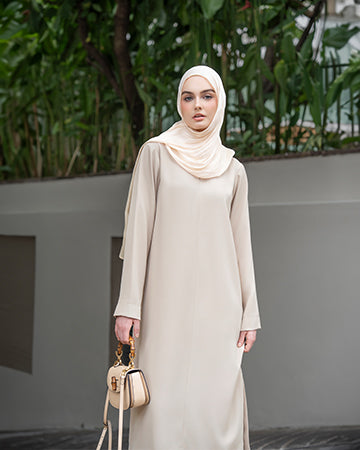
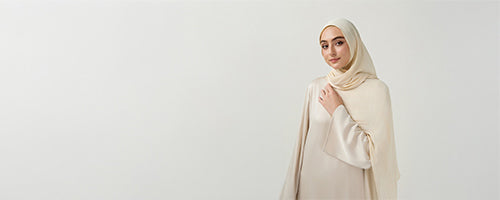
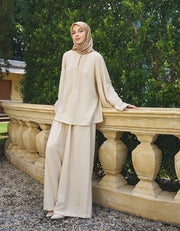
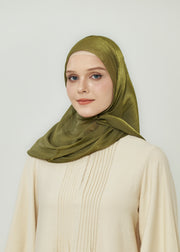
Despite the dominance of black and white, Middle Eastern fashion designers are now experimenting with soft shades of beige, blush, and emerald - blending timeless faith with modern sophistication.

Color Use in Middle Eastern Islamic Fashion
Color Use in South Asian Islamic Fashion
In South Asia, Islamic clothing bursts with color. From Pakistan to Bangladesh, modest wear embraces vibrant palettes that mirror the region’s festive spirit and rich textile traditions.
-
Women often wear brightly colored abayas and hijabs in shades of maroon, teal, or mustard, symbolizing joy and cultural pride.
-
Traditional garments like shalwar kameez and anarkali dresses incorporate intricate embroidery in gold and silver threads, celebrating femininity and grace.
Here, color use in Islamic fashion expresses emotion - a way to celebrate life events, weddings, and religious festivals. The diversity of colors signifies openness within cultural modesty, blending faith with local artistry.
Color Use in Southeast Asian Islamic Fashion
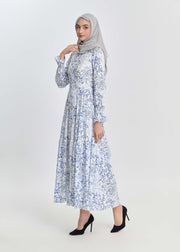
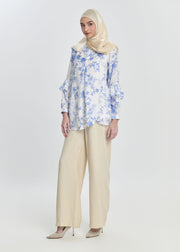
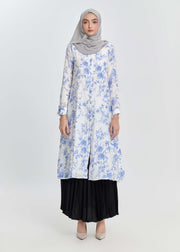
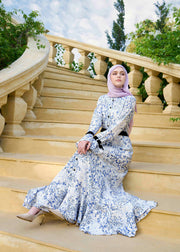
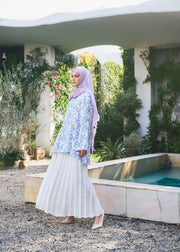
In countries like Indonesia and Malaysia, the approach to color is soft, tropical, and versatile. Pastel tones - peach, mint, sky blue, and lilac - dominate hijabs, tunics, and modern abayas.
These shades reflect the region’s natural environment: lush greenery, calm seas, and bright skies. Moreover, Southeast Asian Muslim women often favor layered modest looks with a playful mix of textures and tones.
Here, color in Islamic fashion becomes a way to express harmony with nature and community. The balance of light and soft hues mirrors cultural values of gentleness, modesty, and warmth.

Color Use in Southeast Asian Islamic Fashion
African Influence on Color in Islamic Fashion
In North and West Africa, Islamic fashion is known for its rich, bold colors and detailed patterns. From Morocco’s traditional djellaba to Nigeria’s elegant boubou, these garments celebrate heritage and craftsmanship.
African Muslims often incorporate deep reds, golds, and indigos into their attire - colors associated with strength, royalty, and celebration. The use of such bold tones reflects confidence, identity, and the joyful side of faith.
This vibrant color use in Islamic fashion also illustrates how Islamic modest wear can adapt beautifully to different cultural contexts while keeping its spiritual core intact.
Modern Globalization and Color Trends in Islamic Fashion
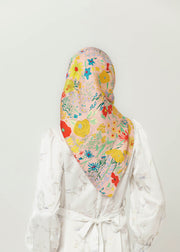
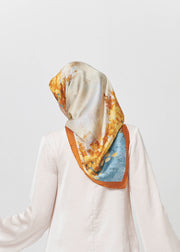
As Islamic fashion becomes more global, cultural influences on color use are blending more than ever. Designers are now drawing inspiration from multiple regions, creating collections that merge Middle Eastern minimalism with Asian pastels and African vibrance.
Fashion brands increasingly use color psychology to design collections that align with both faith and modern aesthetics. For example:
-
Beige and ivory symbolize calm confidence.
-
Forest green and navy blue highlight elegance and spirituality.
-
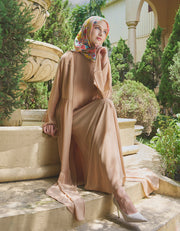
Dusty rose and taupe express softness and femininity.
This global exchange shows how the color use in Islamic fashion continues to evolve - from cultural roots to contemporary interpretations.

Modern Globalization and Color Trends in Islamic Fashion
How Culture Inspires Modest Wardrobe Choices
Understanding the cultural influence on color use helps Muslim women and men make more intentional fashion choices. Colors can express both individuality and shared identity.
When you wear a soft pastel hijab or a deep black abaya, you’re not just choosing a color - you’re carrying a piece of history, culture, and faith. Islamic fashion celebrates this diversity through modest design that respects every background.
Conclusion: Celebrating Diversity Through Color in Islamic Fashion
The color use in Islamic fashion is a living reflection of Muslim culture worldwide - blending faith, geography, and tradition. Every region, every hue, tells a story of beauty and belief.
As modest fashion continues to evolve globally, color remains a bridge between cultures - uniting Muslims through elegance and self-expression.
For those who want to explore modest pieces inspired by cultural color palettes, visit Minnaba where every collection celebrates diversity, spirituality, and timeless style.